| Forwarded this email? Subscribe for more |


 |
| By The Free Press |
It’s Monday, December 15. This is The Front Page, your daily window into the world of The Free Press—and our take on the world at large. Today: Why are UK censors coming for TGIF? Is the age of reading well and truly over? Coleman Hughes interviews one of the first “Never Trumpers.” And much more.
But first: The bloodshed at Brown and on Bondi Beach.
What an awful weekend.
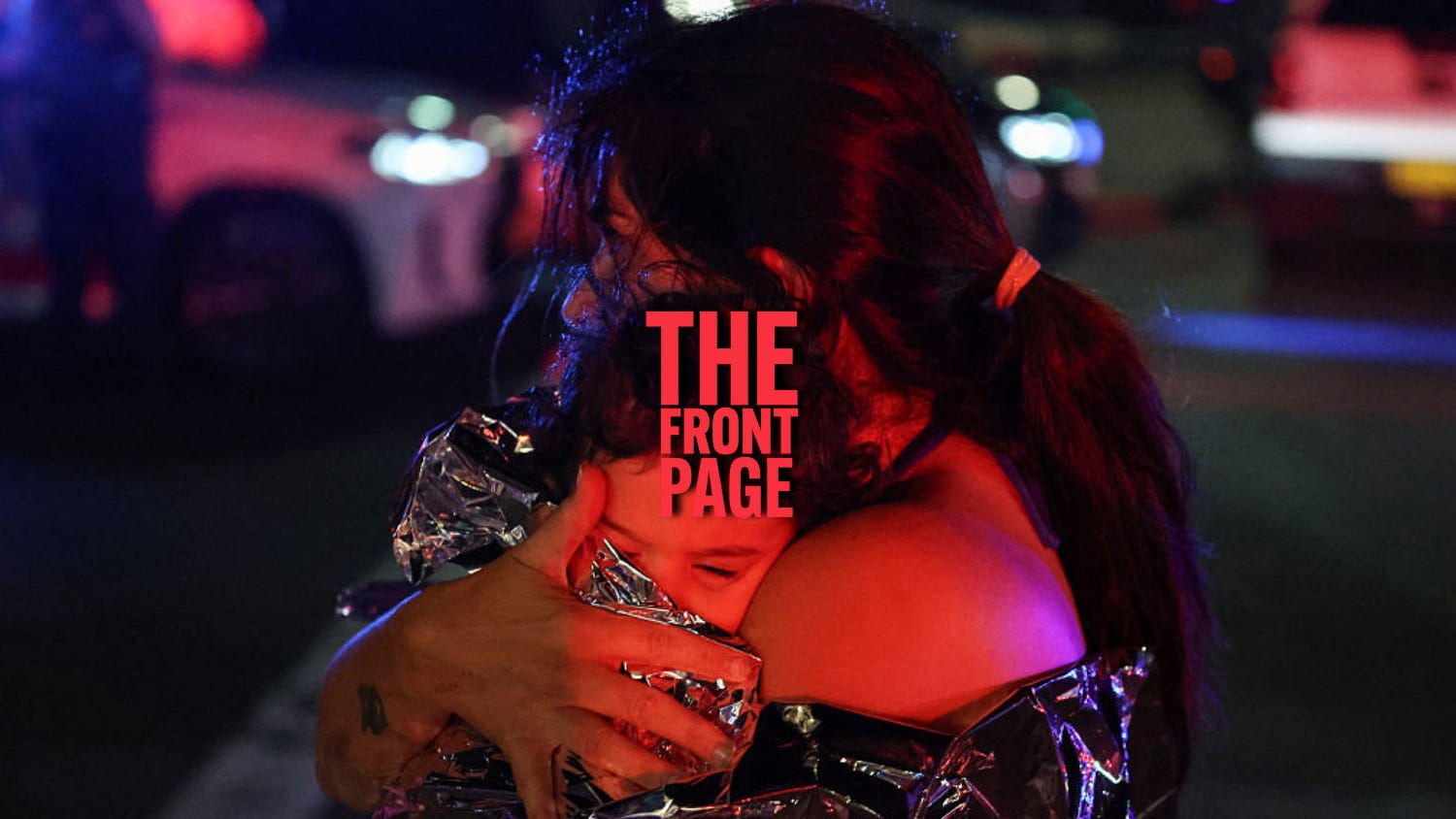
At 4 p.m. on Saturday afternoon, a gunman burst into a classroom at Brown University and started shooting. Two students are dead. Eight more are in the hospital.
For 13 hours, the campus was on lockdown. One of the students who spent the night hiding from the killer was Victoria Zang, a senior who barricaded herself in her dorm alongside her classmates. The police detained a person of interest on Sunday morning, but released him that night. The manhunt continues.
Victoria writes about a terrifying Saturday night, and how she and her school are changed forever, in The Free Press today. “I’m used to reading about shootings in the news,” writes Victoria. “Every single time, I pray first for the students, and then that my school is not next. I can’t pray for that anymore.”
Read her full firsthand account in our pages:
Victoria was still locked down in her dorm in Rhode Island when, on the other side of the world, two gunmen, a father and son, opened fire at Bondi Beach in Sydney, Australia. Their target was Australia’s Jewish community, and a celebration of the first night of Hanukkah.
The attack lasted some 10 minutes. By the time the terrorists were stopped, they had killed at least 16 people and injured dozens more. It was the most lethal terror attack in Australian history, and the deadliest attack targeting Jews since October 7, 2023. The victims include a rabbi with five children, a Holocaust survivor, and a 10-year-old girl.
We have four pieces to help you make sense of this horror this morning.
First, Ayaan Hirsi Ali declares that the intifada has arrived in Australia and writes about how we should respond. “Love without courage doesn’t stop hatred,” she writes. “Unity without truth dissolves into denial.” In this essay, Ayaan writes with the moral clarity that makes hers such an essential voice, now more than ever. Read it here:
The Australian Jewish author Julie Szego writes that, of all the emotions she has grappled with since the attack, the most complicated is a dark sense of vindication. “Now do you believe us?” she imagines screaming at the country’s progressive intelligentsia—who she says have downplayed and looked away from the explosion of antisemitism in Australia since October 7. Read Julie on the platitudes of Australia’s political class—and the uncomfortable reality no one in Australia can deny any longer:
Sometimes, the most important thing to do after an atrocity like the Bondi attack is to speak straightforwardly about what just happened. That is what Brendan O’Neill did in an essay published very soon afterward. Read his reaction to “a pogrom on a beach”:
Adam Louis-Klein has written brilliantly for us recently on the illusory distinction between anti-Zionism and antisemitism. The Bondi attack, he argues, is an appallingly vivid illustration of the problem. “This is not about a political opinion that ‘crosses the line’ into antisemitic violence,” he writes. “We are dealing with anti-Zionist violence itself: the targeting of Jews as ‘Zionists,’ legitimized by specific anti-Zionist libels.” Read his long history of this dangerous strain of thinking—and violence:
And for more on the Australia attack, catch up on the most recent Free Press livestream, hosted by Rafaela Siewert.
The weekend’s horrors made two things we already had planned grimly apposite.
The first is Bari’s town hall with Erika Kirk, which aired on CBS on Saturday. Kirk’s husband Charlie was assassinated in September, and she spoke to Bari about grief, political violence, conspiratorial thinking, and much more. Watch it on our site:
The second is a powerful essay by Rachel Goldberg-Polin on her son and his fellow captives commemorating their final Hanukkah in the tunnels under Gaza. Rachel writes about newly released footage that shows them lighting a makeshift menorah. As she puts it, they were sending a message to their captors, and now the rest of the world: “We are Jews and this is what we do on this holiday.”
We edited Rachel’s essay before the news broke out of Sydney. The evil at Bondi only gives her words more force. Read them here:
—Oliver Wiseman
 |
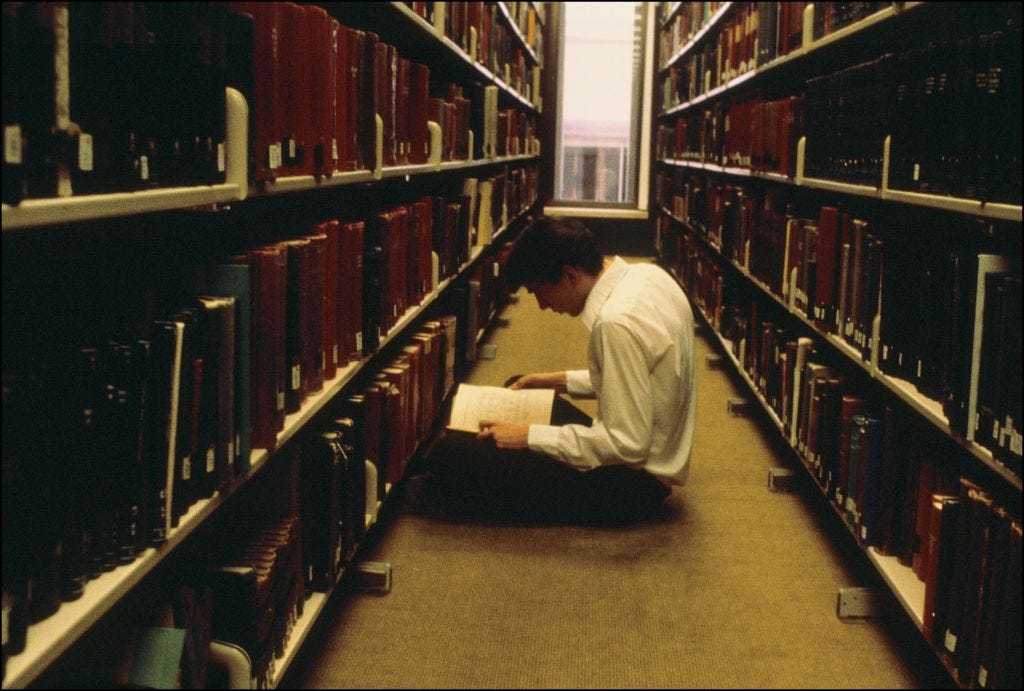
Goodbye to the Age of the Book | ||||||
 | ||||||
|

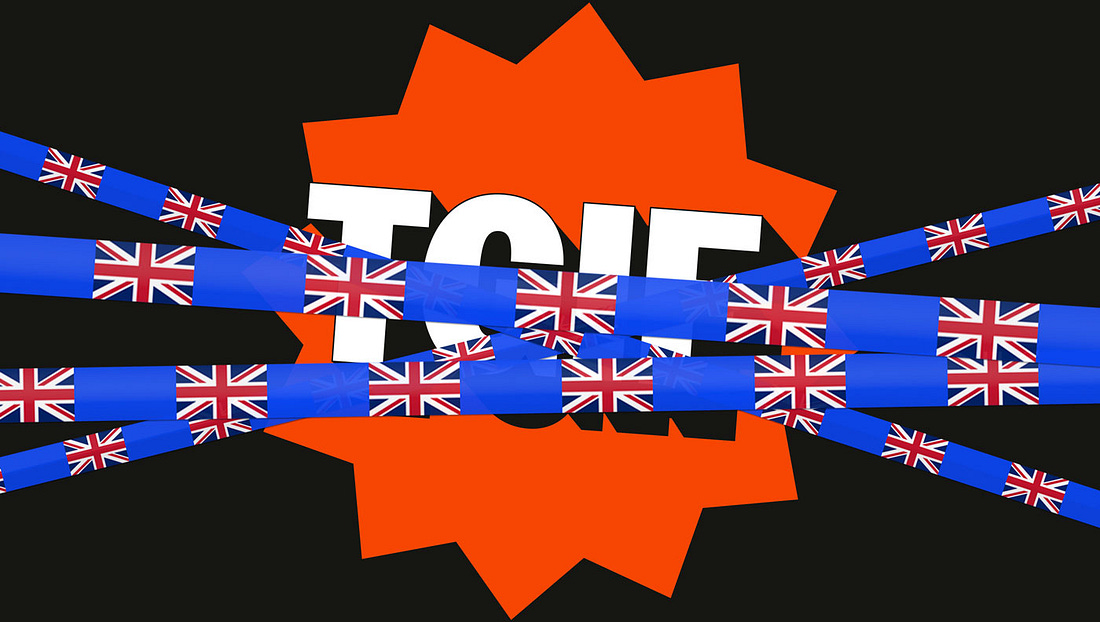
In the UK, The Free Press Is Adults Only | ||||||
 | ||||||
|
|