I’m eyeing the new Oura.
͏ ͏ ͏ ͏ ͏ ͏ ͏ ͏ ͏ ͏ ͏ ͏ ͏ ͏ ͏ ͏ ͏ ͏ ͏ ͏ ͏ ͏ ͏ ͏ ͏ ͏ ͏ ͏ ͏ ͏ ͏ ͏ ͏ ͏ ͏ ͏ ͏
| |
|
|
| Fitness tracking tech always seemed a little fussy to me. I’m not any kind of athlete, and I no longer wear a watch, smart or otherwise. If I felt good, that was good enough for me. However, back in 2024, the Ultrahuman Ring Air dropped in my lap, and I’ve been tracking my sleep quality, learning my “Cardio Age,” and ignoring its caffeine timing advice ever since. It’s been fun, but the ring is now showing signs of age, so I’ve been looking for a replacement.
|
| One candidate is the latest Oura Ring 4, so I’ve been digging into whether its premium price is justified. I share my findings below.
|
|
|
|
|
|
|
Let’s look into it,
Tim Snaith
Newsletter Editor, Healthline
|
 |
|
Written by Tim Snaith
December 17, 2025 • 4 min read |
|
| |
|
|
|
|
| |
 |
|
|
| Ring the changes
|
| The Ultrahuman Ring Air I wear is light, comfortable, and surprisingly capable. It tracks body temperature, blood oxygen, and movement. Each morning, it delivers a sleep score and recommends a bedtime. |
| It also calculates my “Cardio Age” using VO₂ max, resting heart rate, and heart rate variability. If I skip exercising for a few days, all these measures go south, so it’s a good motivator to keep it up. The ring doesn’t need to be connected all the time, so I can leave my phone at home while walking. The only cost is the ring itself, with no ongoing subscription. You can add plug-in functions for a few dollars per month, but they’re optional. |
| Enter the Oura Ring 4 |
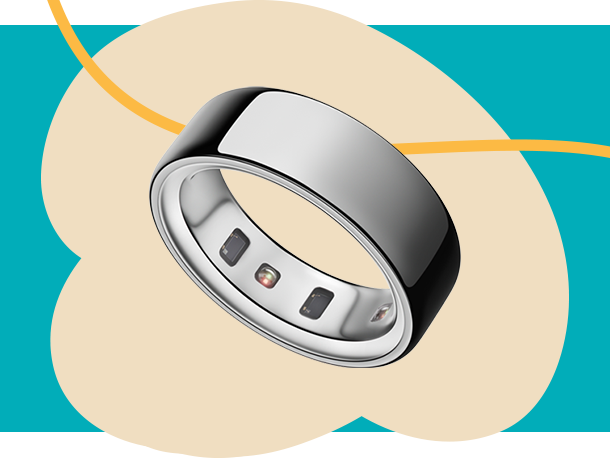
| When readers asked why I didn’t choose Oura, I looked at the Gen 4 release. It’s had some upgrades over the previous generation: |
- Sleeker design: Sensors are now nearly flush, recessed by 0.3mm (previously 1.3mm raised).
- Memory boost: Internal memory increased from 0.5 megabyte (MB) to 16 MB.
- “Moments”: A new tool to test which specific activities improve your biometrics.
- Battery life: Up to 8 days of use on a single charge.
- Lightweight: Weighs between 3.3 to 5.2 grams, depending on the ring size.
- Greater precision: Oura specifically claims better accuracy for daytime and workout heart rate.
|
| The differences: The Ultrahuman Ring Air may be a little lighter, but the Oura can be fully charged in around half the time, with a longer-lasting battery. Oura integrates with 40+ health apps, and the battery is claimed to last longer. Plus the Oura has more sophisticated temperature sensors and smart features. Both rings track sleep well enough and can identify patterns you might discuss with your doctor, but neither is medical grade. |
| Here’s the catch: It’s $299 to $499 for the Oura ring, then $6 per month for full app access. Over 2 years, that comes to $443 to $643. |
| Oura’s Gen 4 improvements are real. Whether they justify the price depends on one question: Will you continue to engage with the data and use the app? |
| I still wear my Ultrahuman, but I check the app less often, and I ignore some of its features. But tracking sleep patterns over months taught me things about my recovery and stress I wouldn’t have known otherwise. If you’re likely to use that information to change your behavior, either ring works. If you’re only casually curious, skip the subscription model. |
|
|
| | | |


