The deal could hand Hezbollah a lifeline, and shift the balance of power in Lebanon. Tom Perry tells the Reuters World News podcast what it might mean for the region and why Beirut's government stands to lose.
Luigi Mangione, the man accused of assassinating a health insurance executive in a carefully executed plot, could have a hard time convincing jurors at his murder trial that he suffered a mental health breakdown, legal experts said.
US Defense Secretary Pete Hegseth announced a new review of America's troop deployments in Europe and threatened to withhold some US dues to NATO if "free riding" allies did not meet their defense spending commitments.
Trump's derailment of a US Senate plan to pass a key national security bill this week is only the latest example of a growing rift with Senate Republicans, who are more willing to defy the commander-in-chief in the run-up to the November midterms.
Four years after Ukraine's Azov Regiment surrendered the last corner of the devastated city of Mariupol to Russian forces, the rebuilt unit is setting its sights on making Moscow pay for its occupation.
Business & Markets
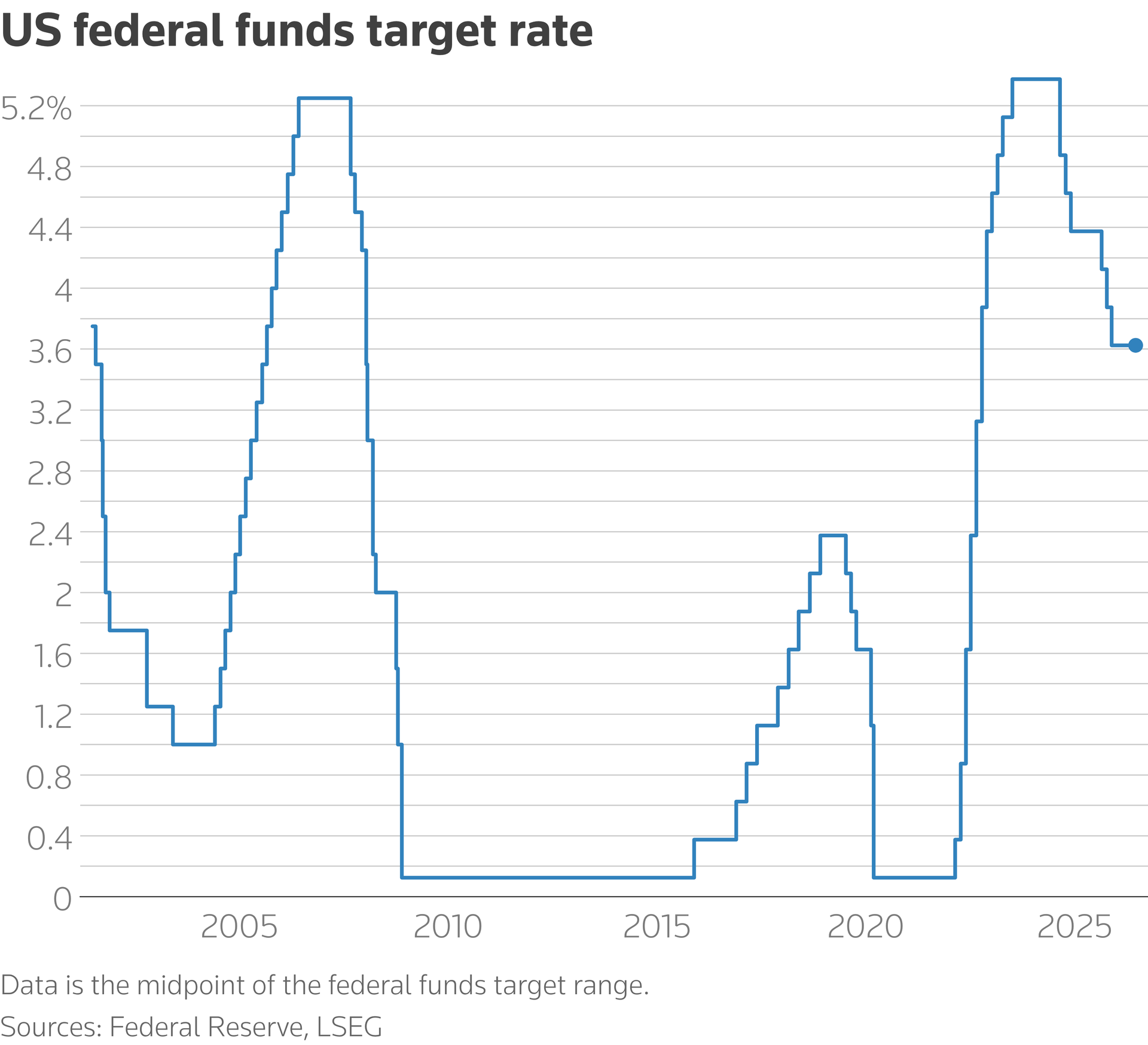
Federal Reserve Chairman Kevin Warsh opened a new era of US monetary policy, with officials agreeing to leave interest rates unchanged despite inflation stuck well above their target but also launching an ambitious review that could reshape how the central bank makes decisions and communicates with the public.
German Chancellor Friedrich Merz and his counterparts are reluctantly contemplating action to address a yawning €360 billion deficit with the People’s Republic. In this week’s Viewsroom podcast, Breakingviews columnists debate whether the continent can actually form a united front.
A rise in Russian attacks on Ukrainian seaports and vessels could cut monthly grain shipments by as much as a third. Ukraine is one of the world's major grain exporters.
Drone incursions disrupting airports in Europe and strikes on oil fields in the Middle East are spurring a fast-growing market for radars, jammers and defensive craft to defend against new aerial threats.
Drone technology has caused upheaval at airports for years, with London's Gatwick Airport among those to have had to suspend flights due to drone alerts pre-2020. However, a fresh wave of incursions linked to wars in Ukraine and the Middle East has sent those concerns into overdrive.
Qantas presents the modified Airbus A350-1000ULR jets to be used for record-breaking non-stop flights, with Sydney-London designated as the first route. REUTERS/Tim Hepher
Qantas Airways announced London as the first destination for the world's longest non-stop commercial flight, a roughly 20-hour trip from Sydney eliminating the traditional stopover on the "Kangaroo Route".
The Australian carrier plans to start selling tickets in February and launch the flights in October 2027.