| | The risks to the US-Iran deal, the EU lowers the temperature on Russia and China, and FIFA’s dynamic͏ ͏ ͏ ͏ ͏ ͏ |
| |  | Flagship |  |
| |
|
The World Today | 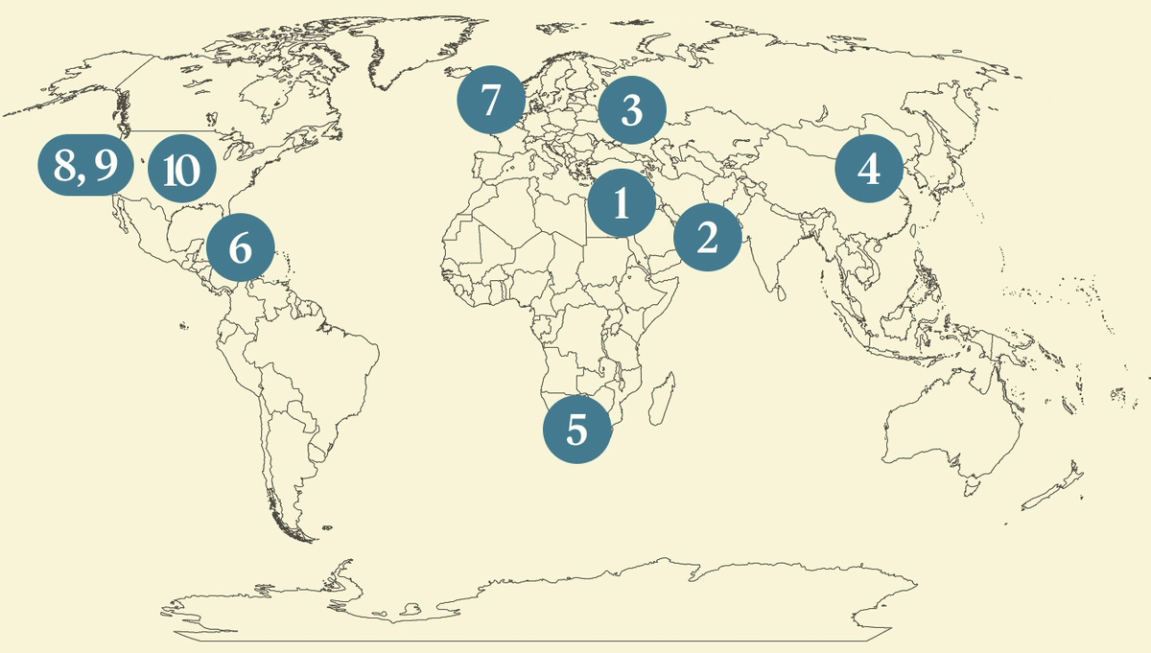 - US-Iran deal’s Israel risk
- From oil worries to glut
- EU’s China, Russia tensions
- China ramps up Africa trade
- US slashes AIDS support
- Cuba readies privatizations
- Tricky path for Starmer’s rival
- Big Tech’s AI debt binge
- AI’s powers of persuasion
- FIFA wins on dynamic pricing
 A new book on the changing world of geopolitics urges the West to be less architect, and more artisan. |
|
US-Iran truce already in doubt |
 Gil Eliyahu/Reuters Gil Eliyahu/ReutersThe US-Iran peace deal was cast into doubt mere hours after it was signed, with talks between Washington and Tehran called off and Israel maintaining its offensive in Lebanon. The interim truce required Israel to cease military operations, but overnight strikes on southern Lebanon killed at least 18 people while a far-right Israeli minister said “all of Lebanon must burn” after Hezbollah attacks left four soldiers dead. Israel has fumed over the US-Iran deal, arguing it offered too many concessions to the Islamic Republic. Despite a 60-day deadline to hammer out details of the truce, Washington and Tehran said further negotiations would be postponed indefinitely. “A fragile deal is already on thin ice,” a leading geopolitics expert warned. |
|
Projections of coming oil glut |
|
EU opens dialogue with Moscow |
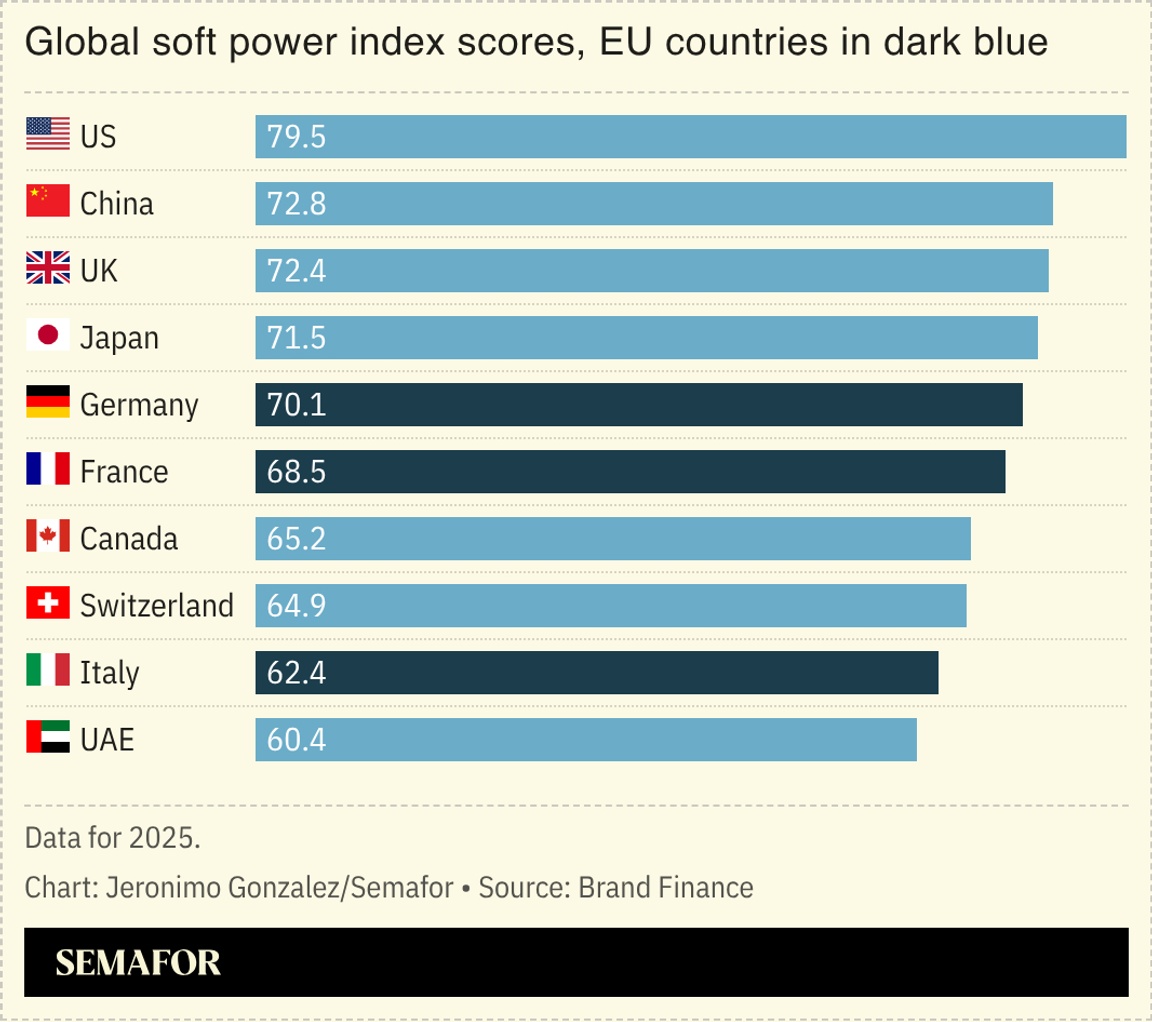 The EU moved to reduce tensions with both Moscow and Beijing, though the bloc was far from unified in its efforts to tone down rhetoric against its geopolitical rivals. The president of the European Council, comprised of member states’ governments, defended his decision to open diplomatic communications with the Kremlin after the leaders of France and Germany criticized the decision. The move is highly contested across Europe, where several countries want to crack down further on Russia over its invasion of Ukraine. Separately, the EU stepped back from an all-out trade war with China, though key member states pushed for the bloc to strengthen its toolkit in combating Beijing’s export machine, which they worry is eroding Europe’s manufacturing sector. |
|
Africa-China trade jumped last year |
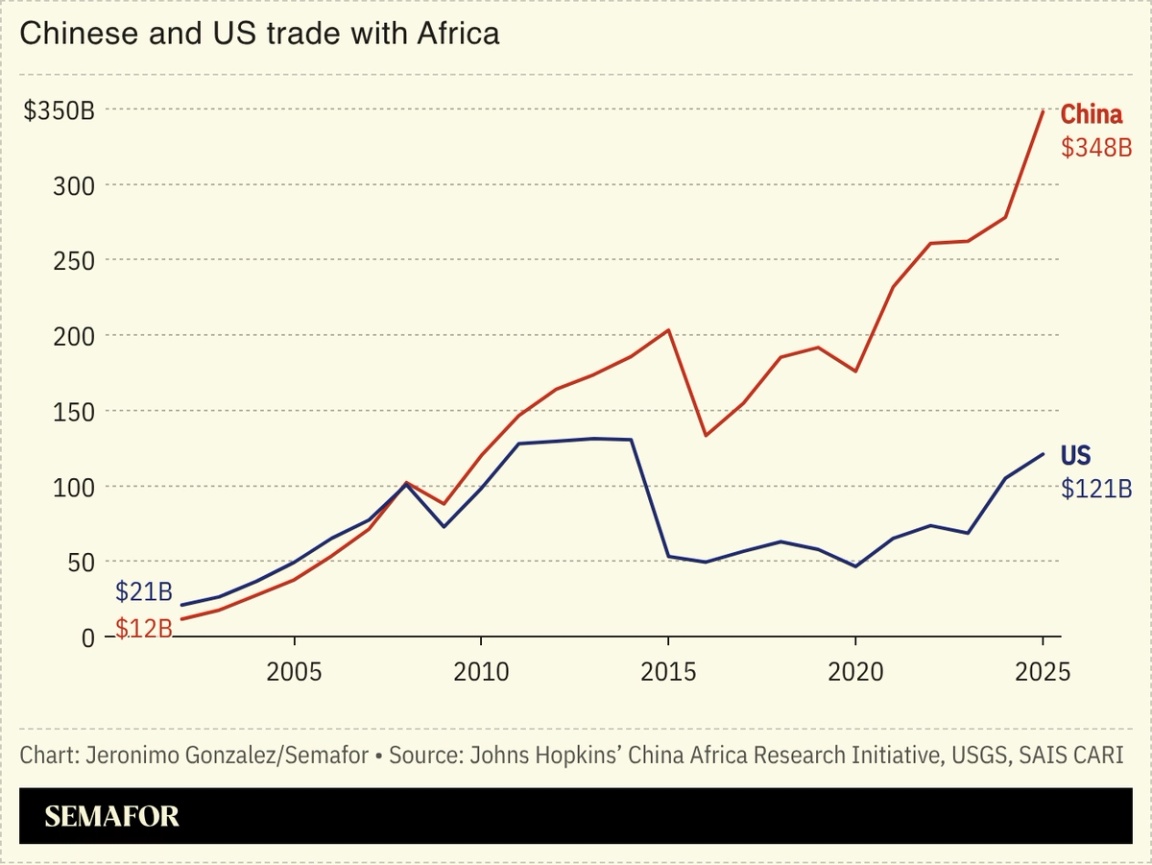 Trade between Africa and China surged in 2025, new data showed, helping drive increased use of the yuan in international commerce, a key priority for Beijing. China’s recent decision to scrap tariffs on African imports led to an 18% jump in bilateral trade, a surge that comes as both China and the US vie for influence on the continent, especially in terms of control of Africa’s key mineral resources. However, the Trump administration’s decision to cut aid to the continent while threatening steep new tariffs has pushed numerous African nations closer to Beijing. “We are going straight into the hands of China,” a Nigerian economist told CNN last year. |
|
US to end S.Africa AIDS program |
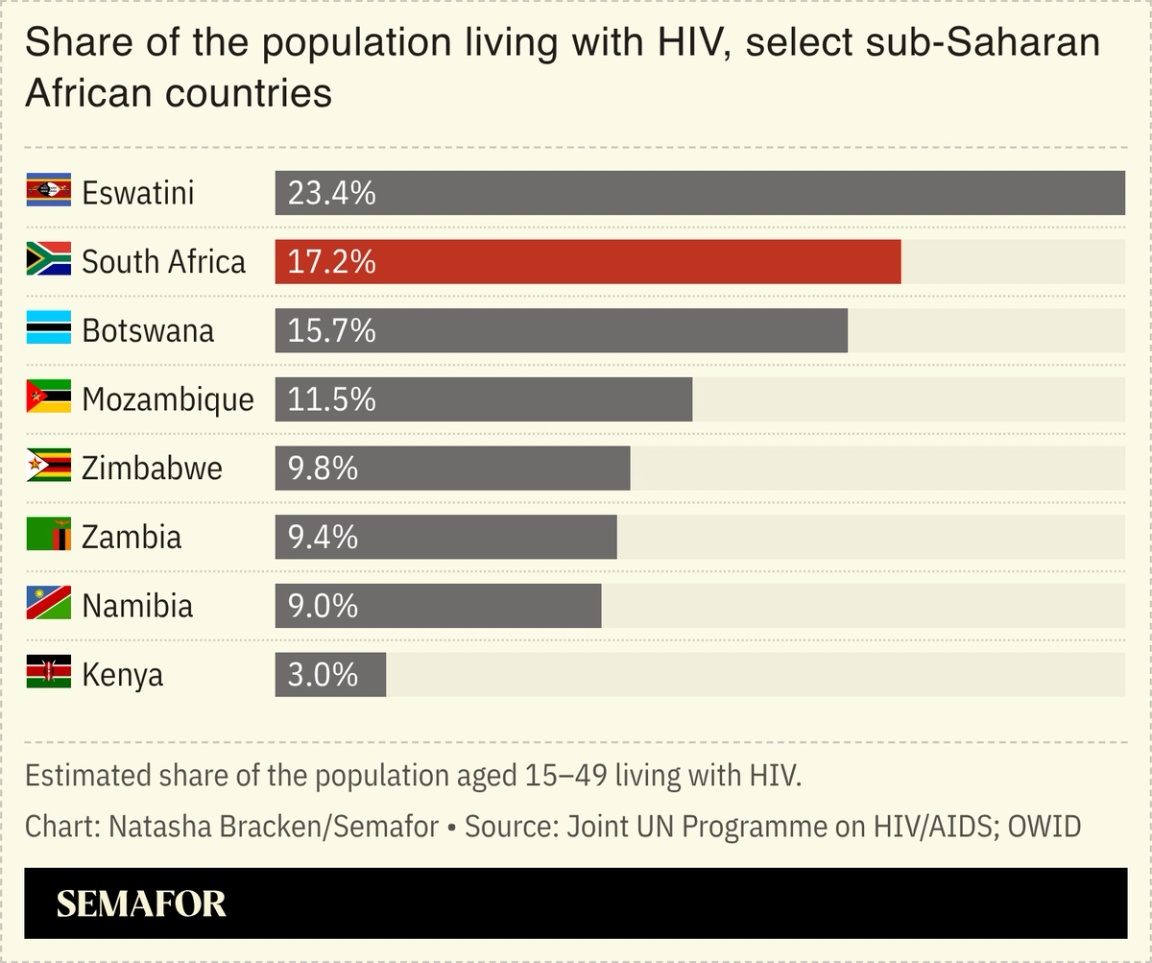 The US will cancel AIDS relief funding for South Africa, Semafor reported, leaving millions without access to treatment and marking the latest escalation in tensions between Washington and Pretoria. US President Donald Trump has repeatedly clashed with South Africa since the start of his second term, accusing the country of perpetrating a genocide against its white population — allegations widely rejected by experts — imposing stiff tariffs, and cutting aid. A State Department official said the end of the AIDS program was a response to unmet “policy requests” made to Pretoria. But “none of these asks have anything to do with health,” a Senate aide argued. “They’re all political.” |
|
Cuba set for privatization drive |
 Norlys Perez/Reuters Norlys Perez/ReutersCuba moved to privatize swaths of its state-run economy as it looked to boost moribund growth and assuage the US, which has repeatedly threatened to replace the island’s communist leadership. The measures mark the single biggest change to the country’s economic system since Fidel Castro took over after the 1950s revolution, Reuters reported. However, skepticism abounded over whether the reforms would be fully implemented, and Washington could still ramp up its pressure campaign on the Caribbean nation — part of the Trump administration’s moves to reassert US dominance over the Western hemisphere — as the Iran conflict winds down. “Their backs are up against the wall as never before,” one University of Miami expert told AFP. |
|
UK leadership contest draws closer |
 Temilade Adelaja/Reuters Temilade Adelaja/ReutersAndy Burnham cleared an early hurdle in his effort to oust UK Prime Minister Keir Starmer, but faces several more challenges ahead. The Manchester mayor yesterday comfortably won a special election, putting him on course to take on Starmer as the leader of the governing Labour Party. But no Labour prime minister has ever been removed by the party, and Starmer could use the considerable power of the office to stymie Burnham and appeal to MPs that political instability would roil markets. Burnham must also rebuild links with fellow lawmakers after a decade out of parliament — and face down other potential challengers for the UK’s top job, including several current and former cabinet ministers. |
|
 David Droga is the most decorated creative in Cannes Lions history. Now he’s confronting how AI is changing the advertising business he’s spent his life building. On this week’s episode of Mixed Signals, Droga, the vice chair of Accenture Song, joins Max and Ben to talk about what it takes to sell a CMO on a bold idea — and why the boldest ideas are sometimes the easiest to sell. They also explore whether the creative visionary still has a place at the top of the industry and what The New York Times’ “Truth Is Worth It” campaign can teach struggling news brands about their value. Listen to the latest Mixed Signals now. |
|
SpaceX weighs $20B bond sale |
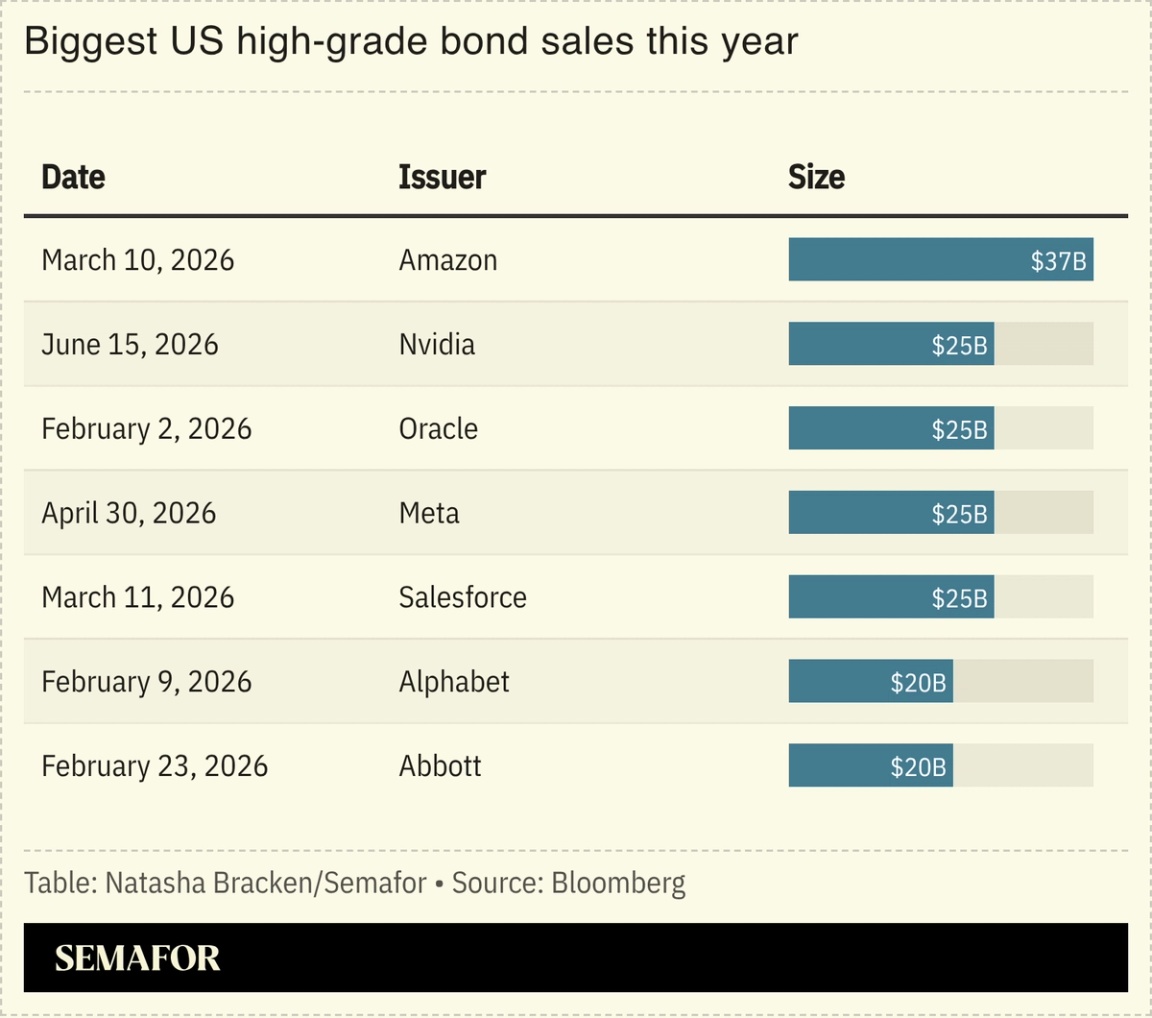 SpaceX — already among the world’s most valuable companies after making its market debut a week ago — was reportedly weighing issuing $20 billion worth of bonds as Big Tech launches a huge AI infrastructure buildout. The potential move by the Elon Musk-led company comes after Nvidia, the world’s first $5 trillion company, sold $25 billion worth of bonds this week; Morgan Stanley said last week that AI-related debt issuance in the first five months of 2026 was up fourfold year-on-year, and forecast it could accelerate further in the second half. The underlying factor: What Goldman Sachs this week called “a capex supercycle,” driven in large part by the AI race pushing huge new private-sector investments. |
|
AI ‘reliably more persuasive’ |
 Gonzalo Fuentes/Reuters Gonzalo Fuentes/ReutersAI models have superhuman powers of persuasion, research suggested, with potentially significant implications for politics and propaganda. Researchers tested models against expert human debaters and found the AI systems “were reliably more persuasive,” despite humans choosing topics, having time to prepare, and being given a cash incentive. They also outperformed humans at real-world charity fundraising. The AI models’ advantage was quantity rather than quality: They simply provided much more information than humans could. Other studies found individualized AI propaganda already works to change voters’ minds by “politely providing relevant facts” rather than using “sophisticated psychological persuasion strategies.” As AI models become more sophisticated, they may use their persuasive powers to influence the humans overseeing them, the new research suggested. |
|
|


