| | AI fears sink software stocks, Disney names a new CEO, and China bans concealed EV door handles.͏ ͏ ͏ ͏ ͏ ͏ |
| |  | Flagship |  |
| |
|
The World Today | 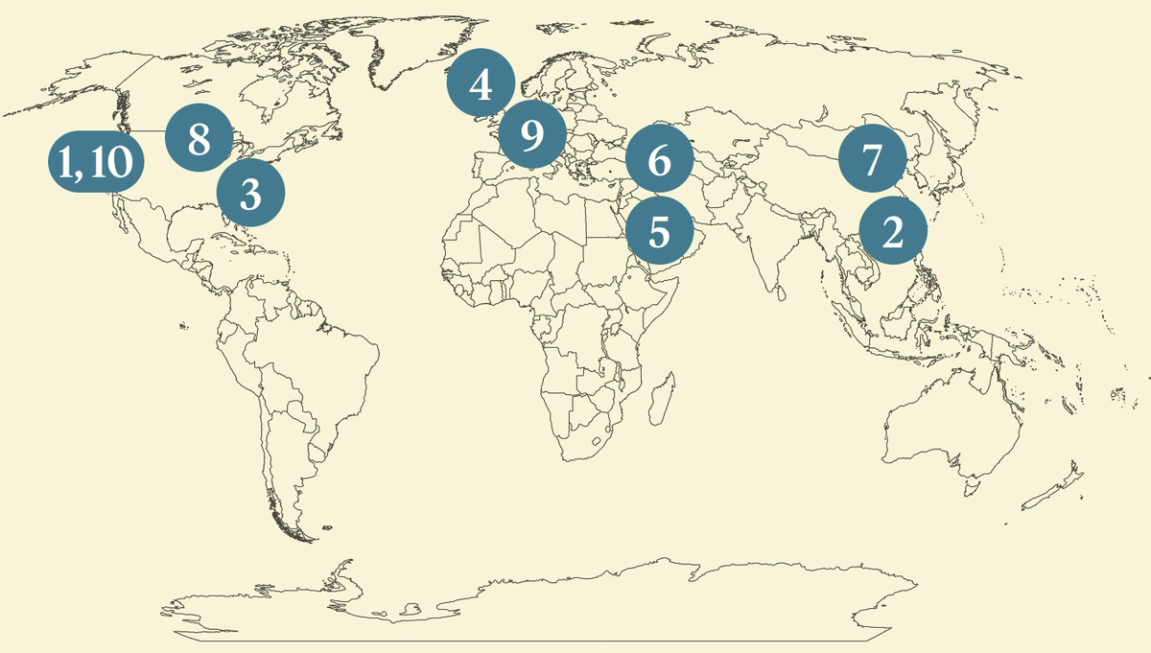 - AI fears sink tech stocks
- Slate of CEO turnovers
- Trump’s electoral moves
- Epstein fallout hits UK
- Saudi courts foreign investors
- Iran’s surging crypto activity
- China bans hidden EV handles
- US crime drops sharply
- Europe tightens immigration
- AI is generally intelligent
 “Invariably delightful” character portraits in a new history of modern Asia. |
|
Software stock slide worsens on AI fears |
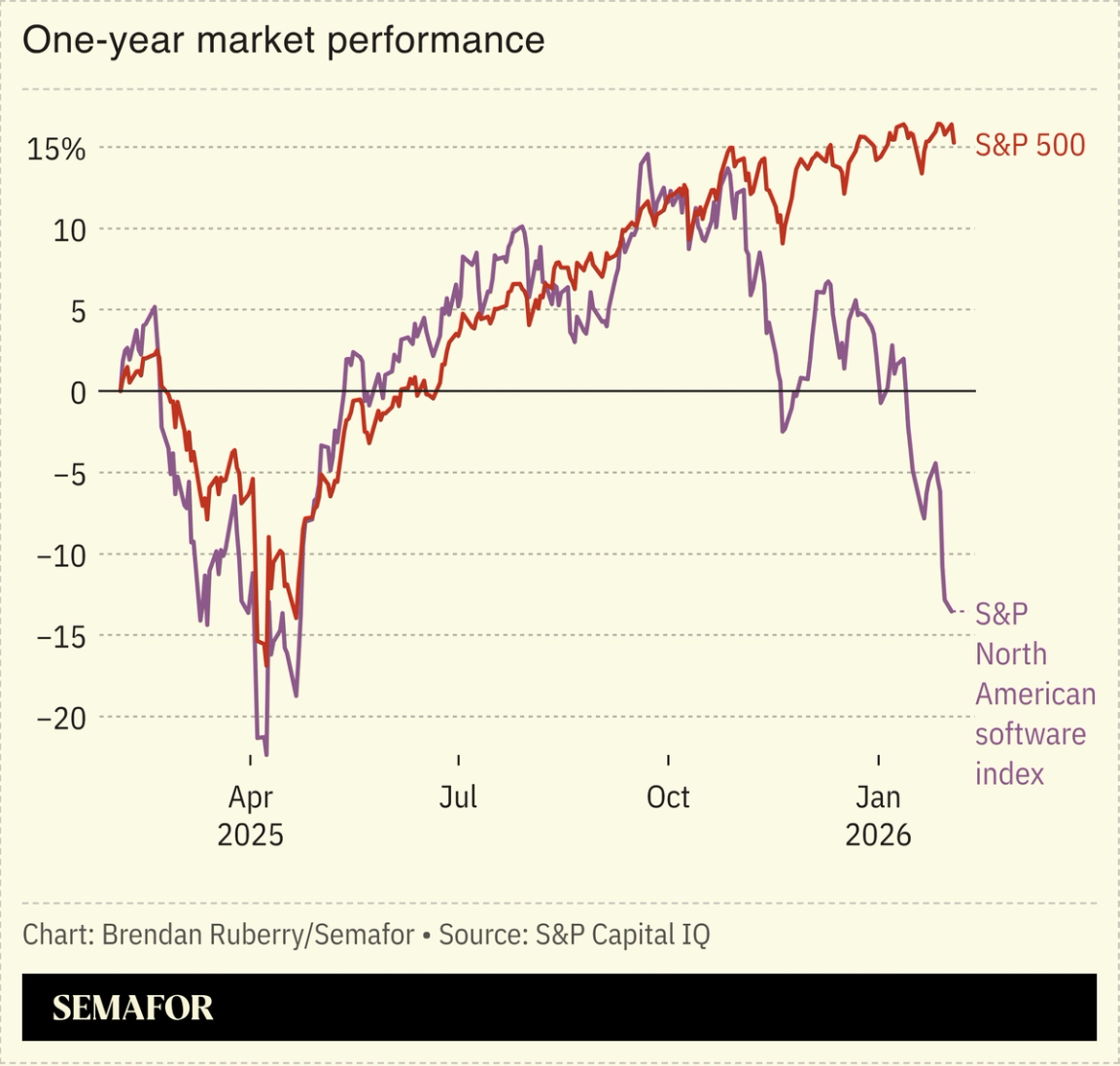 US software stocks sank further Tuesday on swelling investor fears that new AI tools will eat their lunch. The selloff came after AI startup Anthropic unveiled new tools that can automate legal, sales, and marketing tasks — potentially disrupting fields that were once seen as beneficiaries of the AI boom. Some of the hardest-hit companies were those with large analytics businesses, like Thomson Reuters, which owns a legal database. Even stocks of software-adjacent firms, including video game and advertising businesses, have been hit. Sentiment around software has gone “from bearish to doomsday,” Bloomberg wrote. |
|
Turnover Tuesday for C-suites |
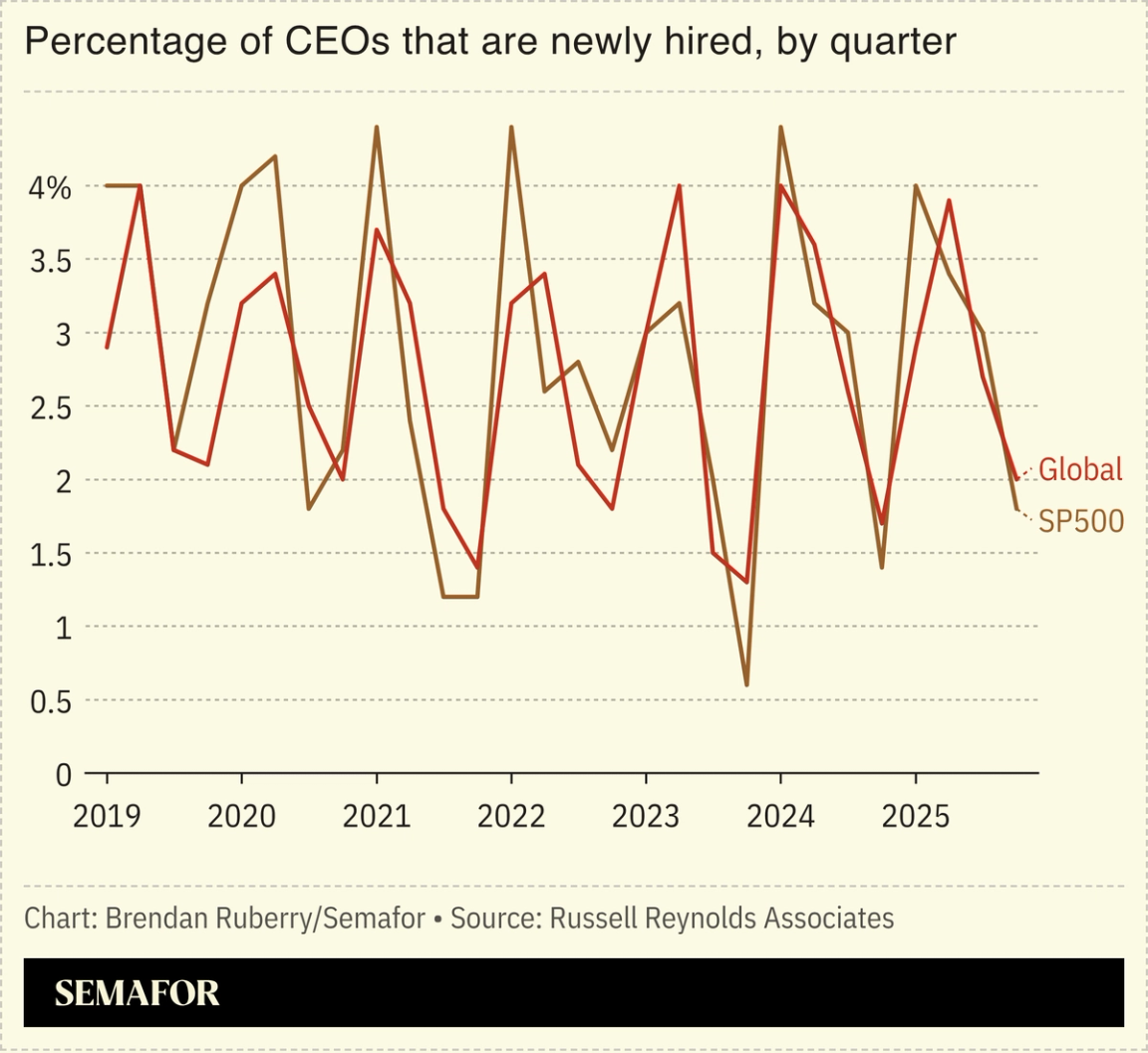 Three major US companies announced new leaders on Tuesday — for very different reasons. Disney picked theme parks chief Josh D’Amaro to replace Bob Iger, a move cementing the entertainment giant’s future in IP-fueled and operationally intensive experiences like parks and cruises, as AI and streaming loom over the content business. Two tech company moves are a messier story: HP appointed an interim head after its CEO blindsided the board by accepting the top job at PayPal, after the payments company booted its chief executive amid underperformance, Semafor reported. Elevated CEO turnover “is now a fixed feature” of today’s corporate landscape, an executive search firm wrote recently. A total of 234 CEOs left their roles globally last year, up 16% from 2024. |
|
Trump calls to ‘nationalize’ elections |
 Cheney Orr/Reuters Cheney Orr/ReutersDonald Trump said his party should “nationalize” elections, a stunning call that reflects the US president’s desire to assert control over the county’s electoral system. The White House said Trump was referring to legislation that would require voters to provide proof of citizenship; the president has linked his electoral rhetoric to his immigration crackdown, The New York Times noted. Trump’s comments on a podcast Monday follow several moves from his administration aimed at having a greater hand in elections: Federal agents last week seized ballots from an election office in Georgia, a state Trump lost in 2020. But Trump’s efforts have faced legal setbacks: A judge last week barred agencies from complying with an executive order that sought major electoral changes. |
|
Epstein fallout widens in UK |
|
Saudi’s quest for dollars |
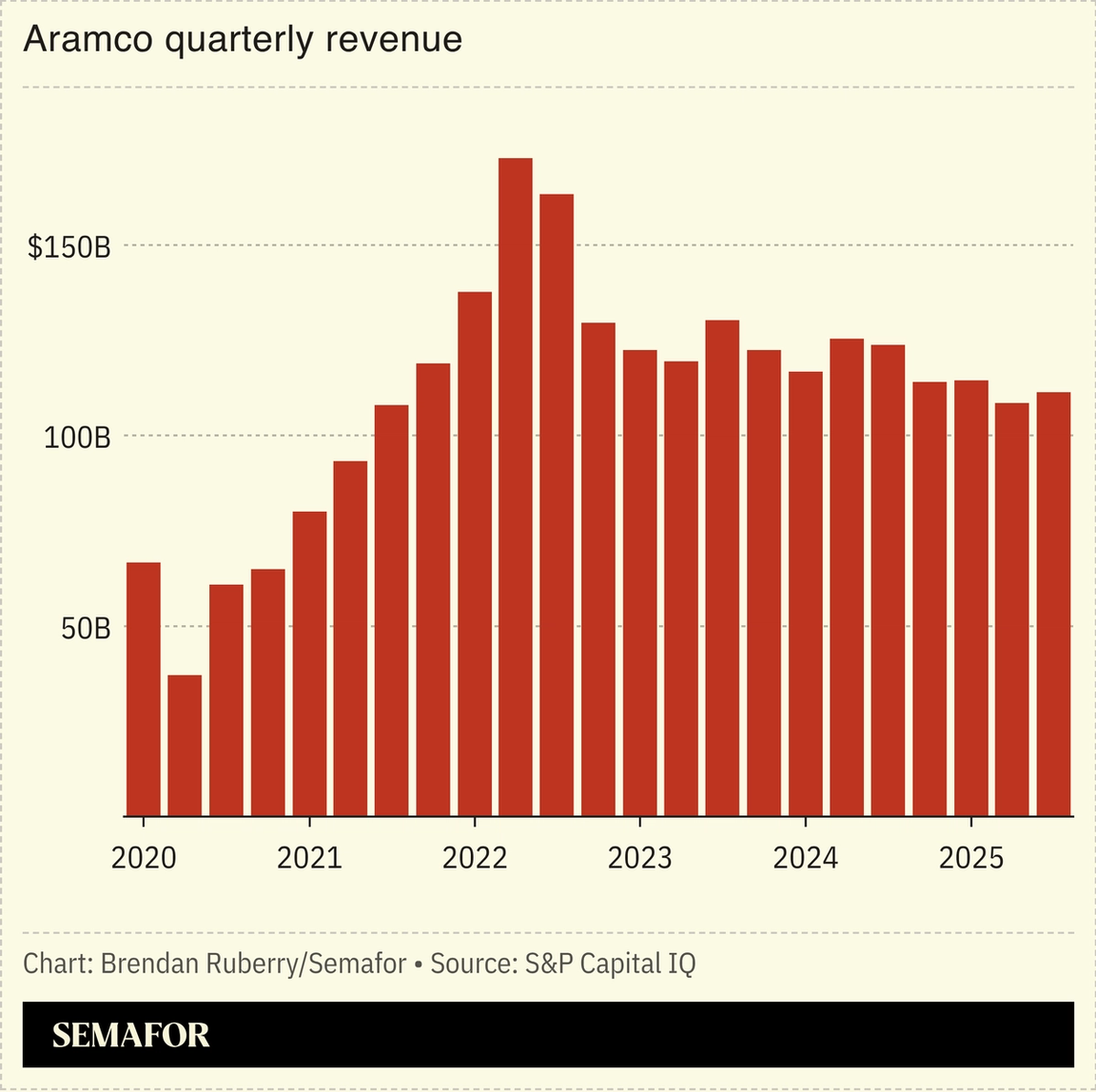 Saudi Arabia is looking to foreigners to fix its cash crunch. With a budget in deficit, huge spending commitments piling up, and capital-starved banks, the kingdom is stepping up efforts to court foreign investors, Semafor’s Saudi bureau chief wrote. Outstanding Saudi debt is set to cross $600 billion this year, with Riyadh remaining one of the largest dollar debt issuers in emerging markets. The country is also easing restrictions on who can buy shares in Tadawul-listed companies to grease its IPO pipeline. “The kingdom has gone through the flat part of the S curve, we have planned and we have reformed,” Saudi’s investment minister told Semafor. “Now we are climbing the vertical part.” |
|
 Majid Asgaripour/WANA (West Asia News Agency) via Reuters Majid Asgaripour/WANA (West Asia News Agency) via ReutersUS investigators are cracking down on Iran’s booming crypto scene. Both state actors and individual investors have turned to digital currencies, for different purposes. The US Treasury is probing whether crypto platforms have allowed Iranian security forces — cut off from traditional international finance systems — to evade sanctions when seeking to move money abroad or procure goods, Reuters reported Tuesday. The country’s Islamic Revolutionary Guard Corps has moved some $1 billion via exchanges since 2023, one analysis found. Many ordinary Iranians, meanwhile, are embracing crypto because of the rial’s rapid devaluation: Activity rose during spurts of instability, including the recent anti-government protests — until authorities blocked internet access. |
|
China bans hidden EV handles |
 Mike Blake/Reuters Mike Blake/ReutersChina banned concealed door handles on EVs over safety concerns, the first ruling of its kind in the world. The crackdown targets a design that was popularized by Tesla and has faced scrutiny after a series of high-profile incidents in which people were unable to open car doors following crashes. It’s the latest setback for Tesla in China; Elon Musk’s EV giant saw its first year of declining sales there in 2025 as competition intensified, and he recently signaled a pivot to robots over cars. The ban also casts China as a global “rule-setter” for new vehicle tech, a Shanghai-based consultant said: By moving first, Beijing could “influence global norms” if its safety standards travel with its EV exports. |
|
 Forget the G7 or G20. Welcome to the GZERO world, where no single power sets the international agenda. The GZERO Daily newsletter is your weekday window to all the latest happenings in geopolitics, featuring timely news briefs and nonpartisan analyses. Plus, Ian Bremmer weighs in on the top issues of the week in his special Wednesday editions. Sign up today — it’s free! |
|
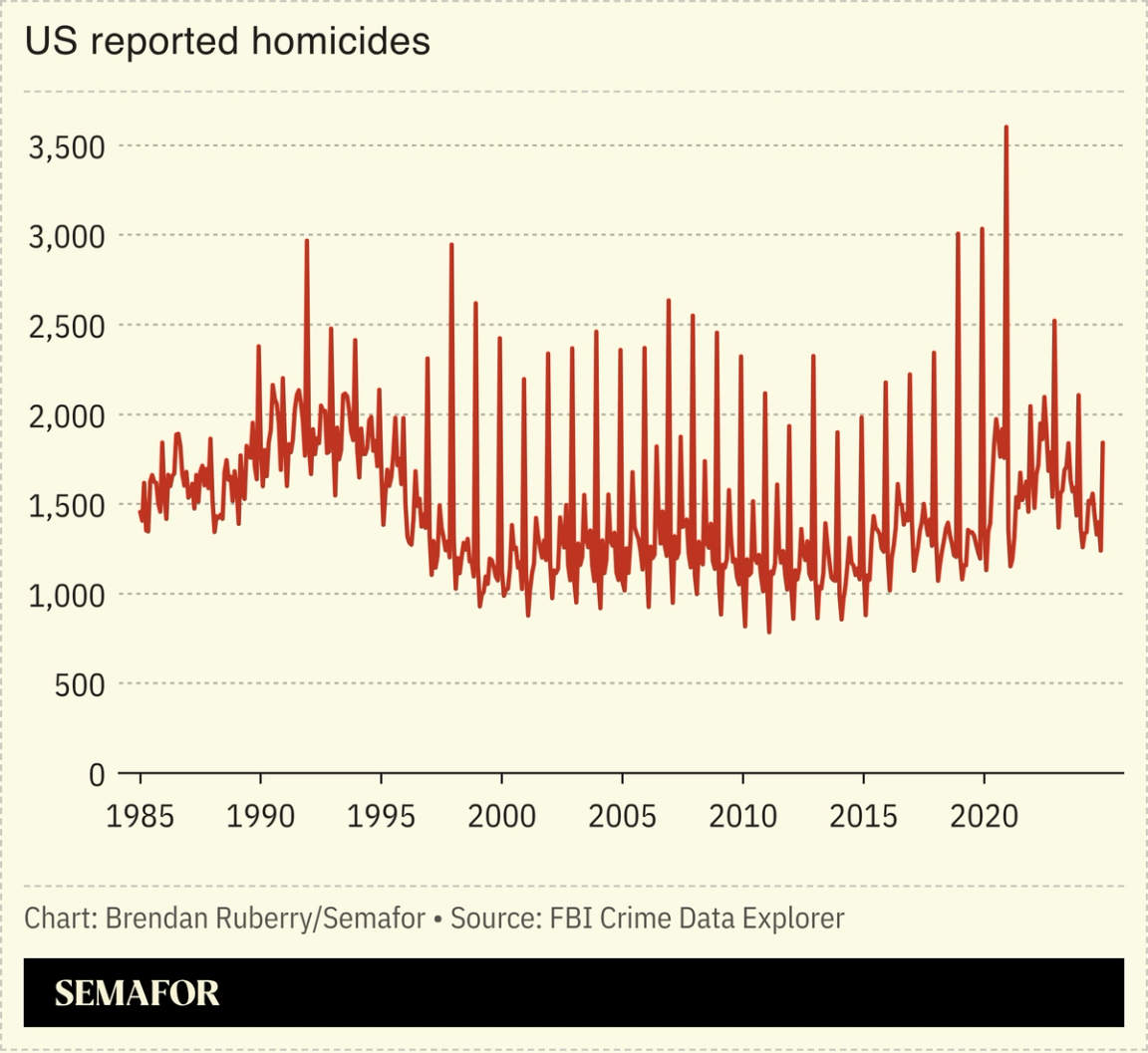 Crime has dropped sharply across the US since the pandemic. Both violent and property crime are down, a Washington Post analysis found. The most striking shift is in homicide numbers, which have fallen 38% since 2020 across 52 major cities, with some recording their lowest numbers in five decades; mass shootings are at their lowest recorded level. Aggravated assault and burglary rates have also plummeted. A major spike in crime followed the COVID-19 outbreak, but began retreating in 2023, with some criminologists attributing it to a Joe Biden-era change in policing strategies. The drop comes as President Donald Trump has cited rising crime to justify deploying the National Guard and federal law enforcement across several US cities, The Post noted. |
|
Belgians can lose citizenship for crimes |
 Yves Herman/Reuters Yves Herman/ReutersBelgium’s parliament approved a bill allowing courts to strip citizenship from immigrants who commit crimes such as murder or sexual offenses. Under the country’s existing laws, people could lose their citizenship status over crimes threatening the state like terrorism, but the new bill expands the list of offenses. The Danish government also announced last week that non-Danish citizens jailed for a year or more for serious crimes could be deported. Europe has seen a major wave of immigration, as countries attempt to maintain a dwindling workforce amid aging populations, but it is unpopular and has driven support for anti-immigrant populist parties. The EU is now trying to tighten its borders and return undocumented migrants to their countries of origin. |
|
Academics say AI is generally intelligent |
|
|


