Lisbon mayor Carlos Moedas, workwear from Henry’s and an Isay Weinfeld exhibition.
|
Wednesday 18/3/26
|

|
|
London
Paris
Zürich
Milan
Bangkok
Tokyo
Toronto
|
|
|
|

Good morning. Pastry chef Romain Gaia is bringing his French-Japanese Tomo patisserie from Paris to London this week. Come by The Monocle Café on Chiltern Street to try a selection of Tomo’s handmade ‘wagashi’ (traditional Japanese sweets) and teas. The pop-up runs from Thursday until Saturday. For now, here’s what’s coming up in today’s Minute:
THE OPINION: Trees are going on money – at what cost?
CULTURE: An Isay Weinfeld exhibition in São Paulo
DAILY TREAT: Tailored-in-Toronto workwear from Henry’s
FROM MONOCLE.COM: In conversation with Lisbon’s mayor, Carlos Moedas
|
|
What does the lacklustre redesign of the British banknote really tell us about the state of the nation?
By Josh Fehnert
|

|
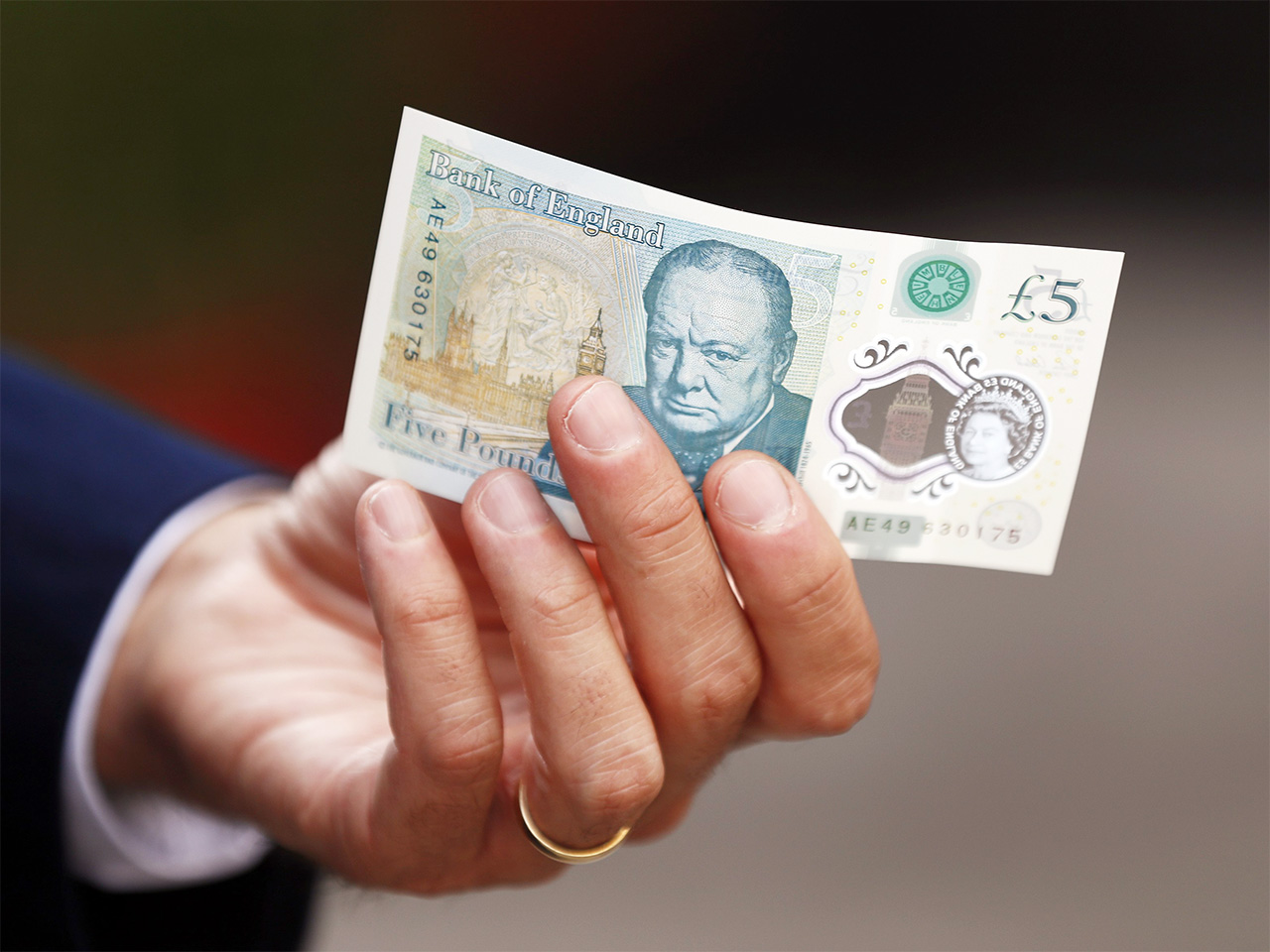
The Bank of England’s plan to replace Great Britons depicted on its banknotes with images of wildlife has become the latest front in a tedious culture war that shows pragmatism itself has lost currency.
Far from trying to devalue the legacy of Jane Austen or Alan Turing, the updated designs are meant to foil counterfeiters and increase security. Sadly, this hasn’t stopped pot-stirring politicians (Conservative leader Kemi Badenoch, Lib Dem Ed Davey and Reform UK’s Nigel Farage among them) from expressing pantomime outrage. Their worry? That wanton wokery might replace Britain’s hallowed, jowly, tell-it-like-it-was wartime leader Winston Churchill with an oak tree or an otter.
| |
|
Laughing all the way to the bank: The UK’s polarisation over who’s on the money has become risable
|
|
To fall out over small change, however, is to miss both the issue and the opportunity. Britain is the world’s sixth-largest economy by GDP but is labouring with sluggish growth, pitiful productivity and a crisis of confidence. What do we stand for and what do we value? Ironically, the farrago is lacking some of that bluff, Churchillian confidence and humour. What would old Winston make of the electorate squabbling over whether swallows or long-dead painters should adorn the £20 note while war rages in the Middle East?
Point-scoring politicians aside, polling suggests that the majority of Brits would settle for wildlife on their banknotes. That said, the idea of asking people a serious question by poll is laughable at this point in history. When posed a benign question about what to name a polar research vessel in 2016, the Great British public plumped for Boaty McBoatface. That’s before we wade into the deeply unamusing consequences of the slim majority who voted for a hasty, come-what-may withdrawal from the EU in the same year. The lesson? Be careful (and thoughtful) about what you wish for – and maybe take the results with a fistful of salt.
Democracy is delightful but everyone getting a say isn’t so important when it comes to deft design that sends a message. We could instead seize the soft-power moment and find some fresh ideas that speak to the nation as it is today. Where’s that supposed British humour when you need it? Perhaps we could venerate the slug itself to represent the post-2008 economy? Hedgerows to hint at the national obsession with borders and neighbourly squabbles? I’m half-joking but a decent design agency with a point of view could lash something together. Which other countries discovered wonders as numerous and various as penicillin and the Premier League? Who else can lay a claim to the World Wide Web and the sandwich?
Like most things in the UK, where you sit on an issue conditions your response. Promoting weeping willows at the expense of a white war leader is a dog-whistle to the right who worry that their national identity is being diluted by politically correct bed-wetters. Venerating Victorian novelists or romantic painters, meanwhile, might feel parochial and passé to progressives and lefties.
What we’re really missing in the debate is some imagination. A way of depicting values that we can all agree to be proud of. My worry is that wildlife – though pleasant – is just the least-bad option. True, you can’t cancel a kingfisher or a chestnut tree but let’s not pretend that makes them an interesting or encouraging depiction of the UK today.
Josh Fehnert is Monocle’s editor. For more ideas, analysis, opinion and global reporting subscribe today.
|
|
culture: Brazil
A celebration of Isay Weinfeld’s work
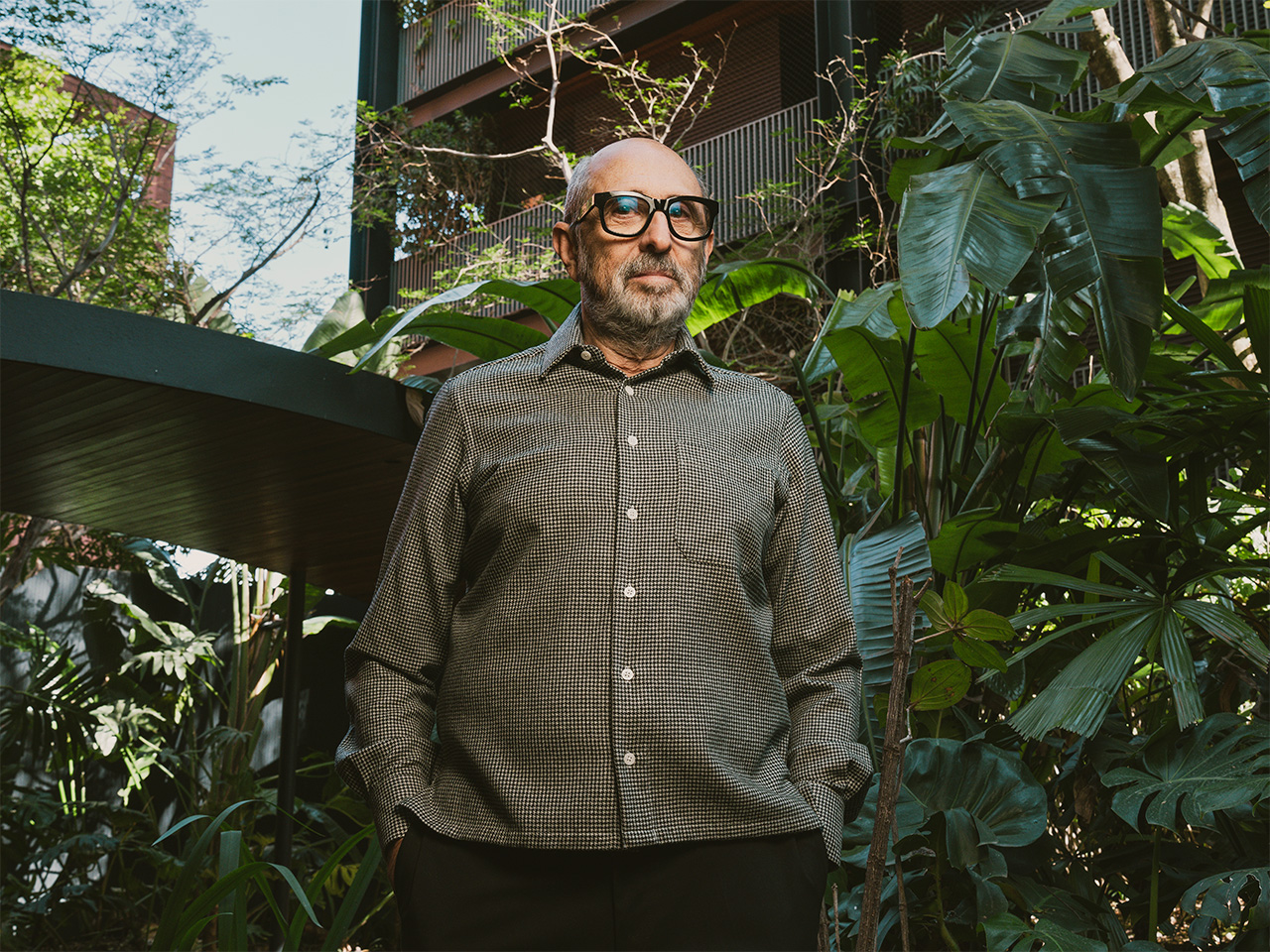
Brazilian architect Isay Weinfeld is celebrating 50 years of his career in an all-encompassing exhibition at São Paulo’s Instituto Tomie Ohtake (writes Fernando Augusto Pacheco). The architect is a Monocle favourite, designing sleek hotels (check in to Fasano São Paulo to see what we mean) and clean-lined bookshops. The exhibition, titled Etcétera, will feature 180 items, from architectural models and furniture to films and text written by Weinfeld.
| |
|
Main exhibit: Isay Weinfeld
|
|
Weinfeld is one of Brazil’s most celebrated contemporary architects, whose work includes Edifício Oito, a verdant residential building in São Paulo, the Jardim on New York’s High Line and Rio de Janeiro’s Havaianas shop. But it might come as a surprise that his discipline of choice is not his first love. While studying architecture at Universidade Presbiteriana Mackenzie in the mid-1970s he began making short films, eventually winning prizes at festivals in Gramado, Brazil, and Huelva, Spain. This elasticity shows in the new exhibition, which avoids a formulaic format in favour of a continual showcase of Weinfeld’s creative process. “I always want to do something new in my work,” he tells The Monocle Minute. “I don’t want to have a formula and repeat myself.”
‘Etcétera’ is on until 17 May at São Paulo’s Instituto Tomie Ohtake, institutotomieohtake.org
Further reading and listening:
- Weinfeld tells Monocle on Design why he strives to avoid repetition in his projects and practice architecture without ego
- How Brazil is restoring and reclaiming its first modernist landmark
- ‘If you have the privilege, this is a way to survive.’ How two 1950s towers built community in São Paulo
|
|
• • • • • DAILY TREAT • • • • •
Get down to business with workwear from Henry’s
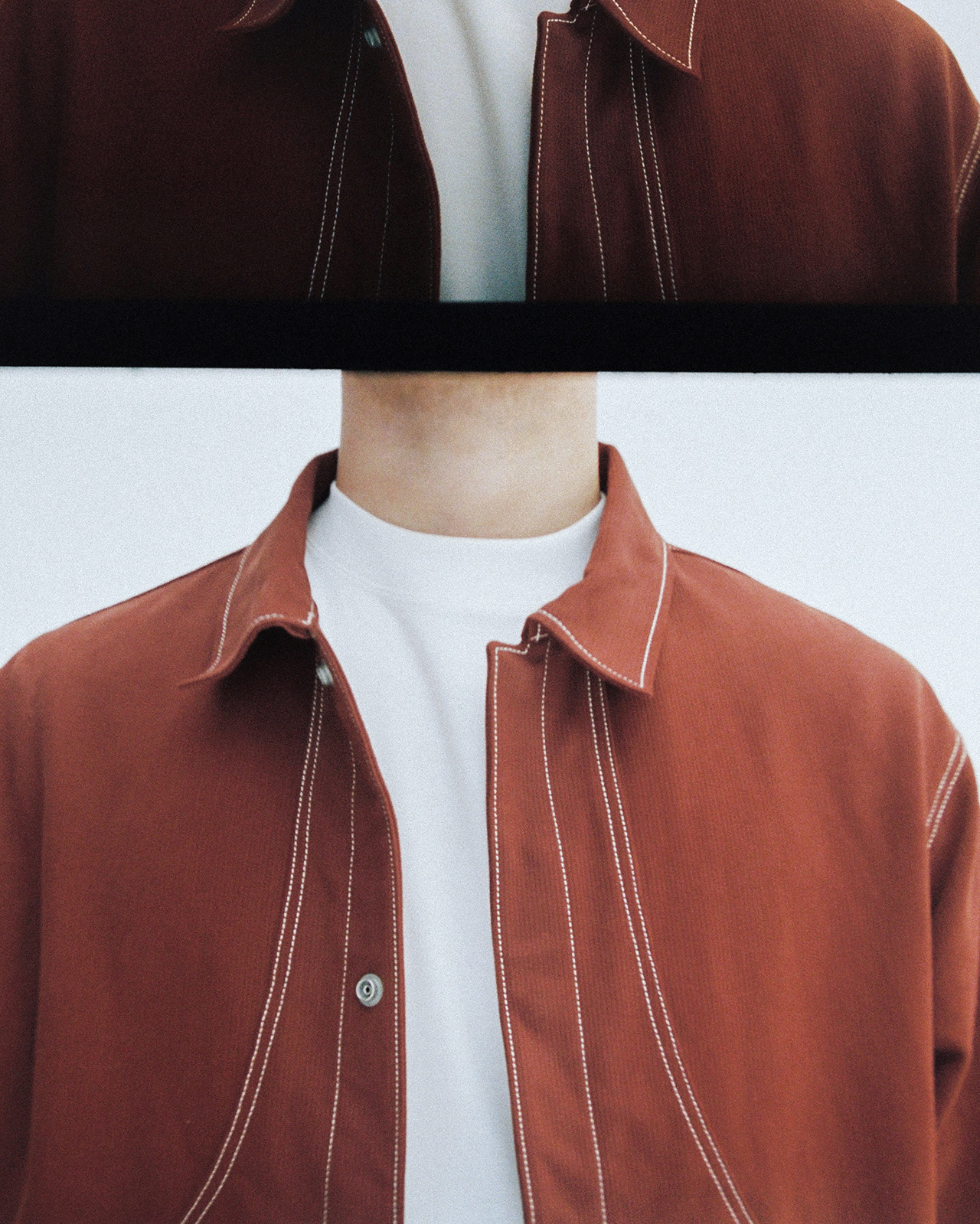
Patternmaker and tailor Keith Henry runs his men’s workwear label, Henry’s, on his own. You’ll usually find him in his Toronto studio, cutting curved lines of dark selvedge denim or stitching pockets on deadstock Japanese corduroy. Given his limited stock runs, securing one of Henry’s pieces feels like going on a scavenger hunt. “I don’t want to dilute my work by flooding the market,” he tells The Monocle Minute. “Seasonal calendars are driven by manufacturing cycles but I work alone, freeing me to release these as I please.”
While many big brands look to use drops as a marketing ploy, Henry’s luxury of scarcity is different. Rare fabrics and one man at a sewing machine naturally limit accessibility. Working with small, taste-making boutiques such as Toronto’s Neighbour and Nepenthes in New York, the distinctive orange label of Henry’s is becoming less of a secret.
wearhenrys.com
|
|
|
SPONSORED BY HITACHI ENERGY
|
|
|
|
|
|
From monocle.com: Carlos Moedas
Lisbon’s mayor on his strategy for keeping the Portuguese capital welcoming and liveable
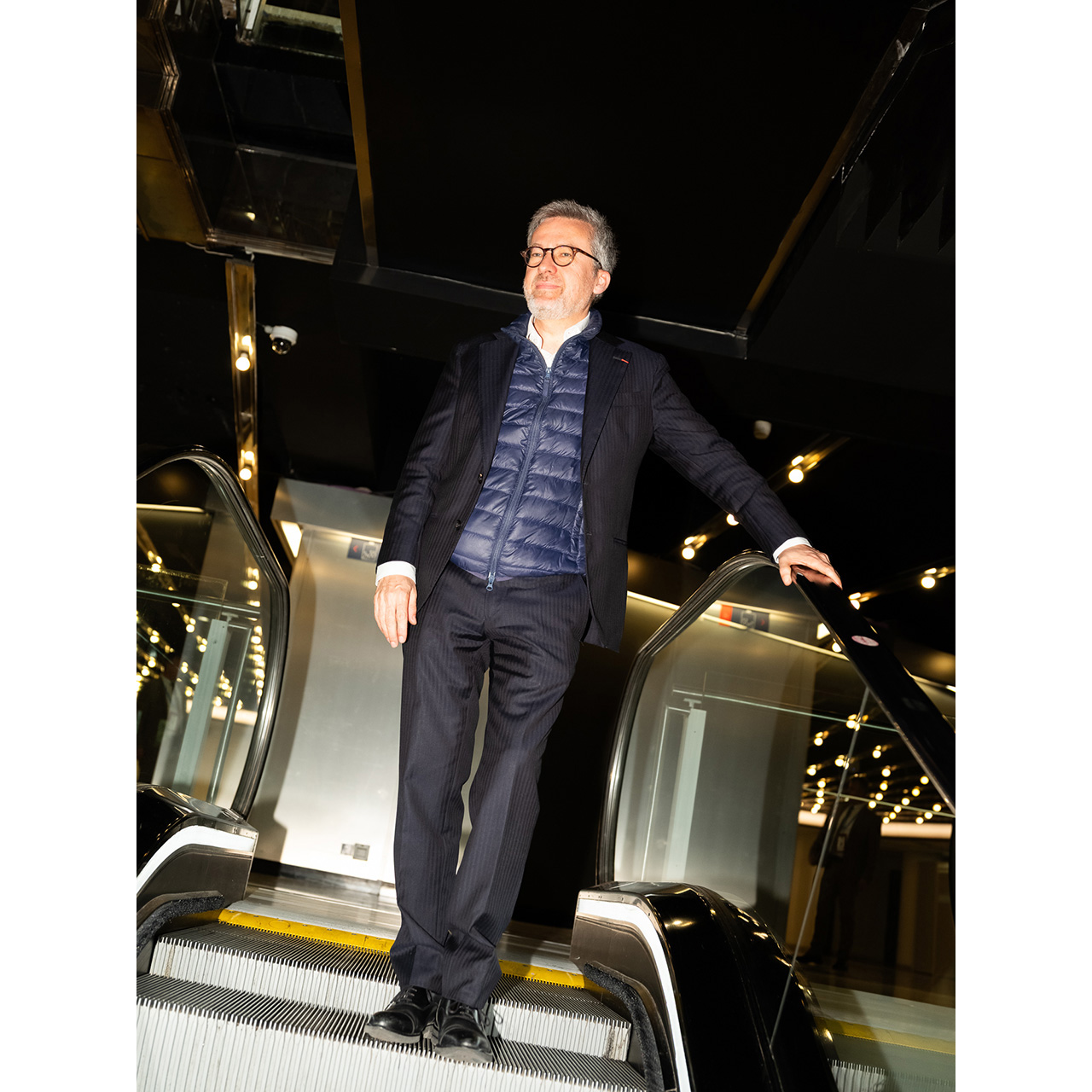
Lisbon has seen a remarkable urban transformation over the past decade. The city has become a hub for entrepreneurship and home to expats seeking the sun while record levels of tourism reflect the global interest. Mayor Carlos Moedas has been at the forefront of dealing with the challenges that this cosmopolitan capital is facing, as he told Monocle at Mipim in Cannes.
| |
|
On the move: Carlos Moedas
|
|
Lisbon has become one of Europe’s most attractive cities. How do you deal with the welcome challenge of managing its growing appeal?
This is probably the biggest challenge you can have as a city. Attracting young talent is fantastic but you have to invest in social welfare to counterbalance the fact that when people come to your city, the real-estate prices increase. Since my first term I’ve maintained that for every euro the city invests in culture, innovation or technology, we need to invest tenfold in social welfare.
For example, in Lisbon, people over 65 have a city health plan where they can call a doctor to their home for free. And we now own more than 22,000 apartments, which means that nearly 12 per cent of our population lives in housing owned by the municipality. That’s not just social housing but also affordable housing, so that professionals can afford their rent and are able to live in the city. Nowadays, social welfare is much more dependent on cities than it is on the national government. That’s the most important ingredient for the growth in innovation and creativity.
As Lisbon’s global profile rises, so does the pressures on its housing, infrastructure and public spaces. Click here to read the interview in full.
|
|
| | |
 MONOCLE