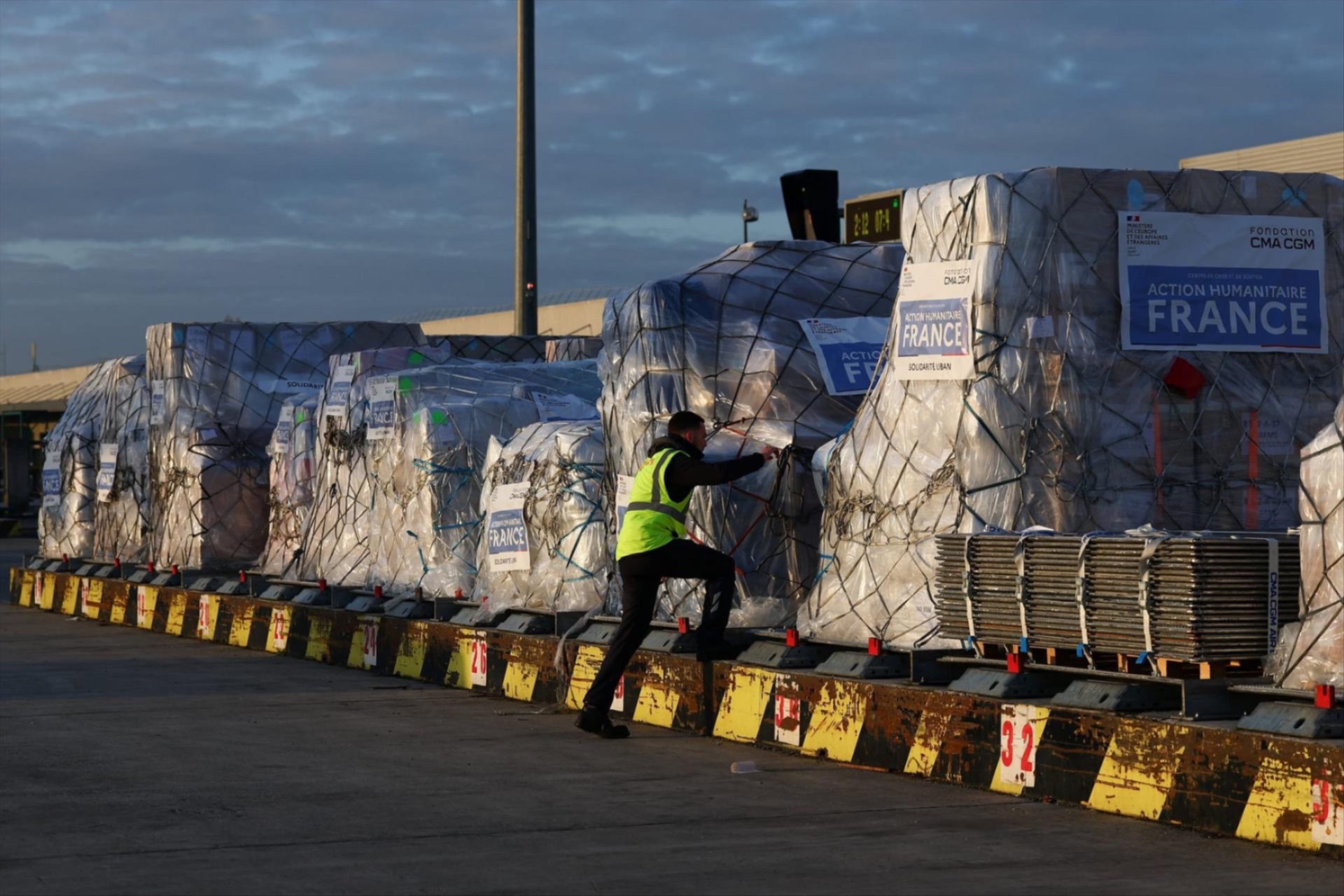
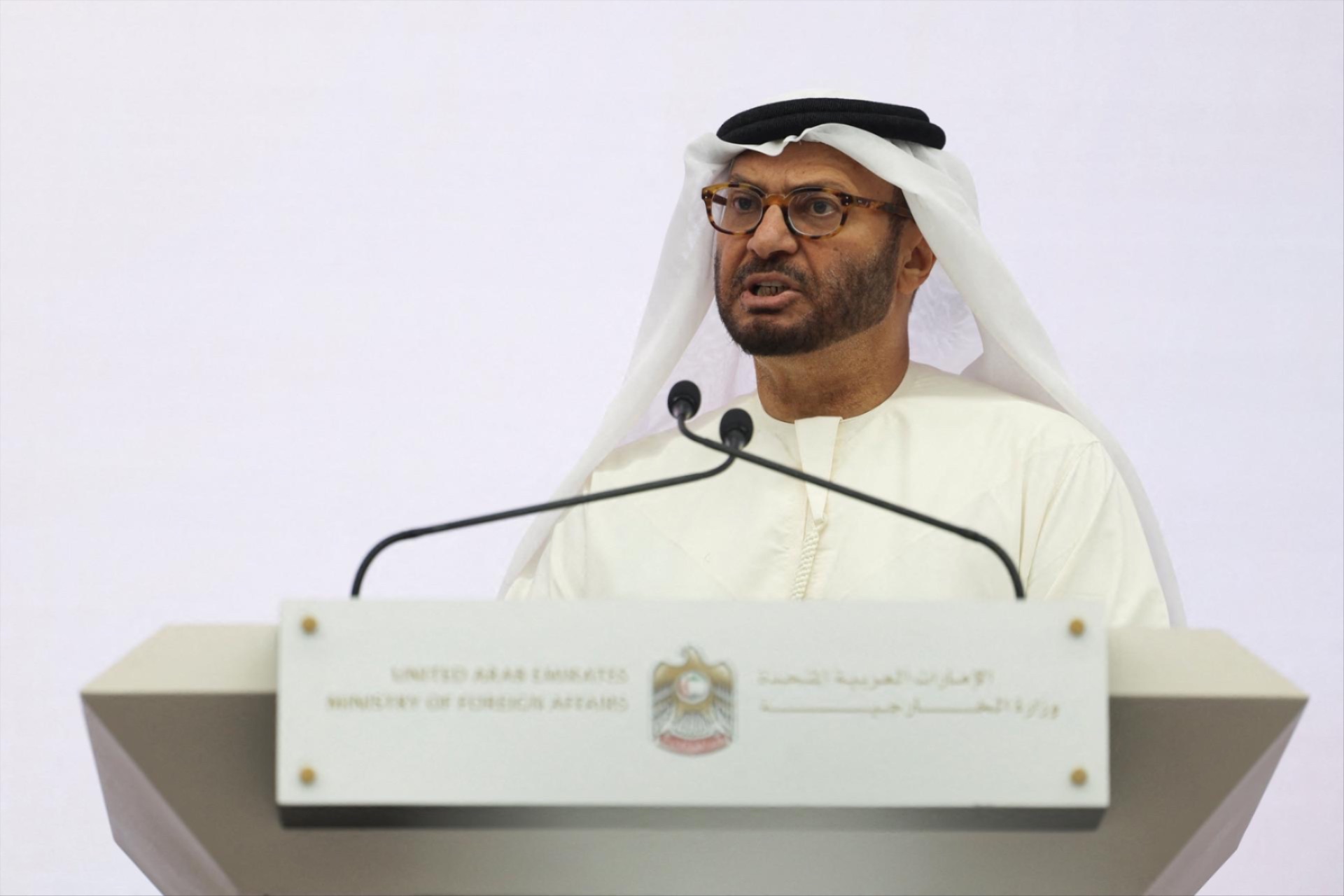
The war’s energy fallout. Sri Lanka today implemented a four-day work week for public institutions to manage rising fuel prices driven by the Iran war. It is the latest country to attempt to reduce fuel use amid the energy crunch, following similar efforts from Bangladesh, Myanmar, and the Philippines. Other countries are taking steps to address shortages, with Ukraine agreeing to reopen a damaged pipeline that brings Russian fuel to Hungary and Slovakia. Iraq and its semi-autonomous Kurdistan region similarly agreed to resume exports through a regional pipeline that had paused operations.
Trump’s Cuba threat… Cuban President Miguel Díaz-Canel vowed yesterday the country will respond with “impregnable resistance” to “any external aggressor,” following U.S. threats to its sovereignty. Trump said Monday that he would have the “honor of taking Cuba” and could “do anything” he wanted with the country; yesterday he said the United States would be “doing something with Cuba very soon.” Multiple news outlets have reported the Trump administration seeks to negotiate Díaz-Canel’s removal from power.
…and Russia’s support of Cuba. Following Trump’s comments on taking Cuba, Russia’s foreign ministry yesterday condemned “attempts of gross interference” in the island nation’s internal affairs and vowed to support the country. A tanker with Russian oil is moving toward Cuba, according to shipping data, despite Trump’s threat in January to impose tariffs on countries sending Cuba fuel. In recent days, Trump has relaxed some restrictions on Russian oil sales due to the Iran war.
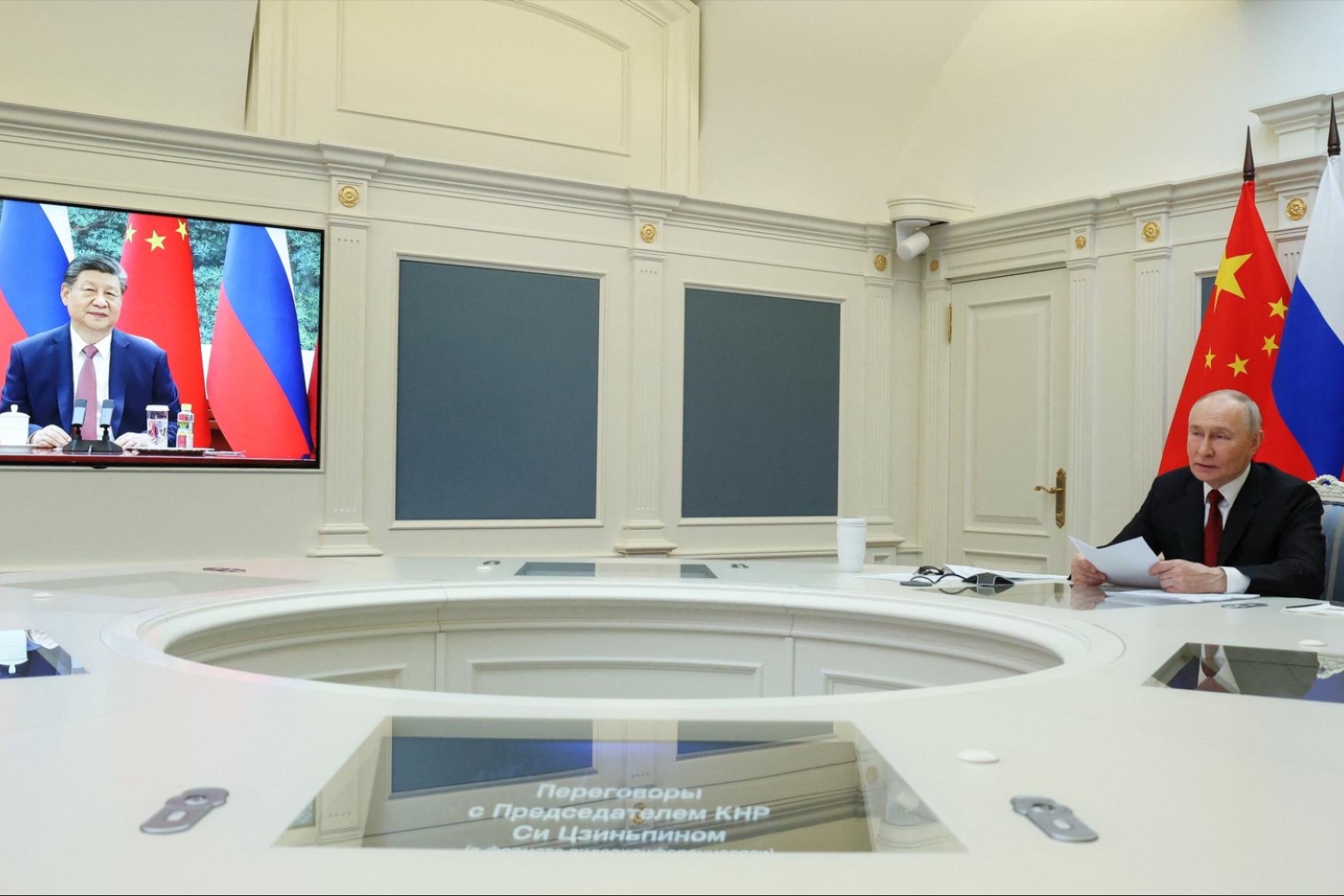
Trump delays China trip. Trump told reporters yesterday a planned trip to China will now occur in around “five or six weeks” due to the war in Iran. The trip had been slated to begin at the end of March. He added that Beijing was “fine with it,” while a Chinese foreign ministry spokesperson said the countries were in touch about the timing of the rescheduled trip.
Ruling on Voice of America. A federal judge ordered the U.S. Agency for Global Media (USAGM) to reinstate some one thousand employees who have been on administrative leave since early last year, ruling that the Trump administration’s efforts to shrink the agency was unlawful. USAGM, the parent organization for Voice of America, did not immediately comment.
Syria’s alcohol restrictions. Municipal authorities in Damascus banned alcohol in bars and restaurants except in the city’s predominantly Christian neighborhoods. It marks a step toward more conservative legal mores following the country’s takeover by Islamist rebels led by current President Ahmed al-Sharaa. Some critics argue the move violates parts of Syria’s constitution, which Sharaa approved last year.
Bomb on Colombia-Ecuador border. Colombian President Gustavo Petro accused Ecuador’s military of dropping a bomb in Colombian territory after residents of a Colombian border community discovered an unexploded munition. Ecuador carried out military operations near the border earlier this month, but Ecuadorian President Daniel Noboa denied the bomb belonged to Ecuador.
Congo leader’s killing on trial. A Belgian court yesterday ordered a trial for former diplomat Étienne Davignon, accused of involvement in the 1961 assassination of Congolese prime minister Patrice Lumumba. The killing solidified Western influence over the Congo during the Cold War. Belgium’s government had apologized to Lumumba’s relatives for its role in the incident but no Belgian official had ever stood trial. Lawyers for Davignon, now ninety-three years old, denied the charges and argued the case was too old to prosecute.