The latest from CFR’s RealEcon Initiative
RealEcon

From the Maurice R. Greenberg Center for Geoeconomic Studies

The Galaxy Globe bulk carrier and the Luojiashan tanker sit anchored as Iran vows to close the Strait of Hormuz, amid the U.S.-Israeli conflict with Iran, in Muscat, Oman, March 9, 2026. REUTERS/Benoit Tessier

How the Iran War Ignited a Geoeconomic Firestorm

The economic consequences of the U.S.-Israeli war in Iran are coming into sharper focus as the conflict enters its third week. As the fallout expands beyond the Middle East and ripples through the global economy, markets and supply chains are being increasingly reshaped by the drones and missiles buzzing over the Arabian Gulf—and the United States has few options to de-escalate the conflict.  
 
The Strait of Hormuz, which is critical to the oil and gas industry, is at the center of the disruption. But it is not just energy markets that depend on the strait. Fertilizer and high-tech supply chains are also harmed, widening the crisis further. If the war develops into a protracted conflict, those issues could become lasting structural shocks to the world economy.  
 
Six CFR fellows analyze the geoeconomic ramifications of the war so far and assess the challenges that could lie ahead. Read their joint piece

The Geoeconomic Ripple Effects of the Iran War

Hartree Partners Senior Advisor and Commodities Analyst Edward L. Morse, Harvard Kennedy School Director and Professor Meghan L. O’Sullivan, CFR Fellow Brad W. Setser, and Senior Research Scholar Karen E. Young sit down with CFR Fellow and Greenberg Center for Geoeconomic Studies Director Edward Fishman to discuss the ongoing geoeconomic consequences of the conflict in Iran, including global energy flows and oil prices, economic development and artificial intelligence build-out in the Gulf region, sanctions on Russia, and inflation and interest rates as markets respond. Watch the event. 

The Geoeconomic Ripple Effects of the Iran War [Event] 

Iran, the Strait of Hormuz, and an Unprecedented Energy Crunch

CFR President Michael Froman discusses the unfolding global energy crisis with CFR’s Dan Poneman and the Center on Global Energy Policy’s Jason Bordoff. All three worked together on the U.S. Strategic Petroleum Reserve 2011 release. Read their takes

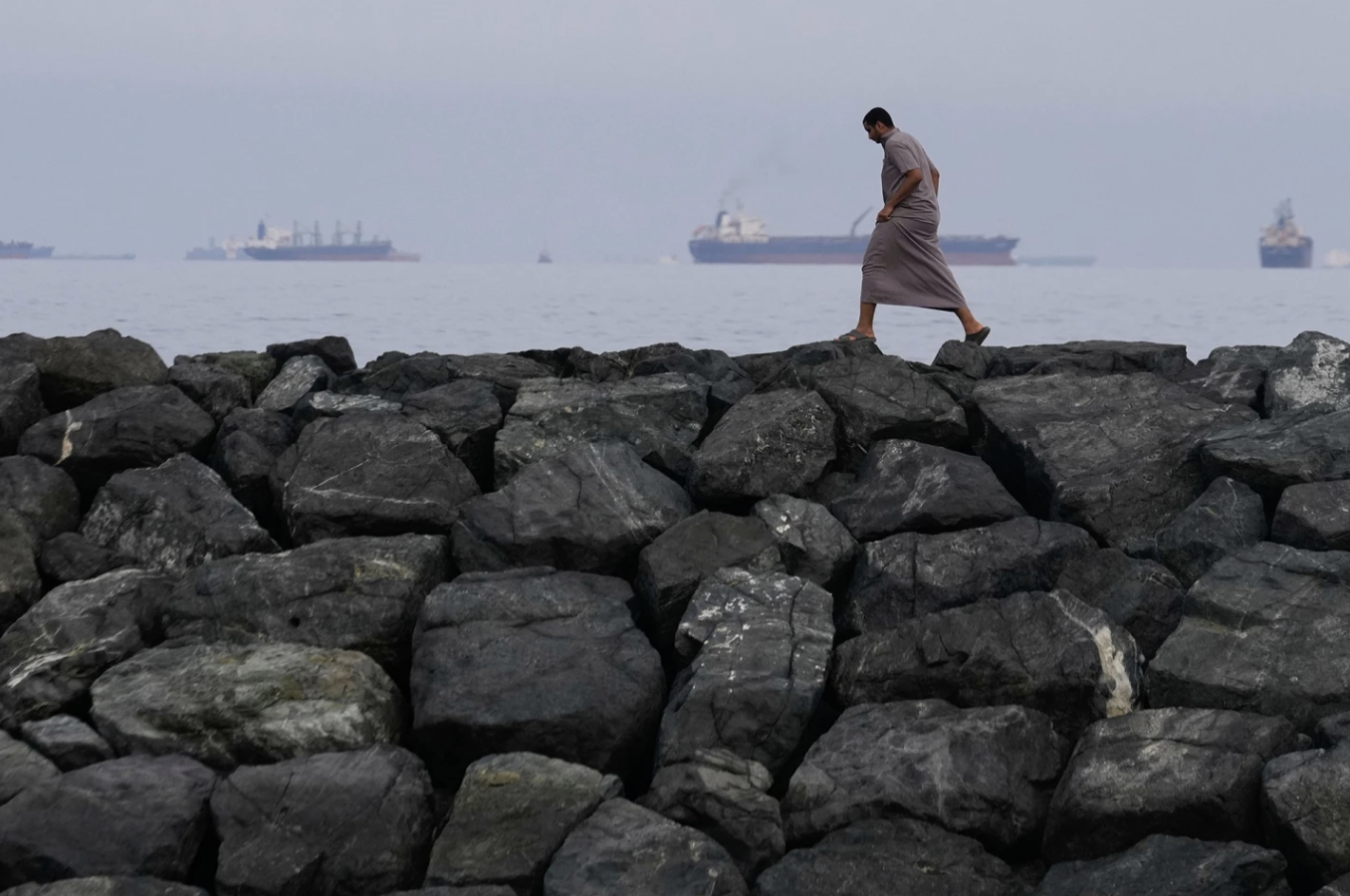
A man walks along the shore as oil tankers and cargo ships line up in the Strait of Hormuz, seen from Khor Fakkan, United Arab Emirates, Wednesday, March 11, 2026. Altaf Qadri/AP Photo

The Iran War’s Hidden Front

While world energy markets are in upheaval over the halt in fossil-fuel shipping through the Strait of Hormuz, a crisis is also brewing over a sharp cutback in food supplies that normally transit the Gulf, writes CFR Fellow Michael Werz. Read more

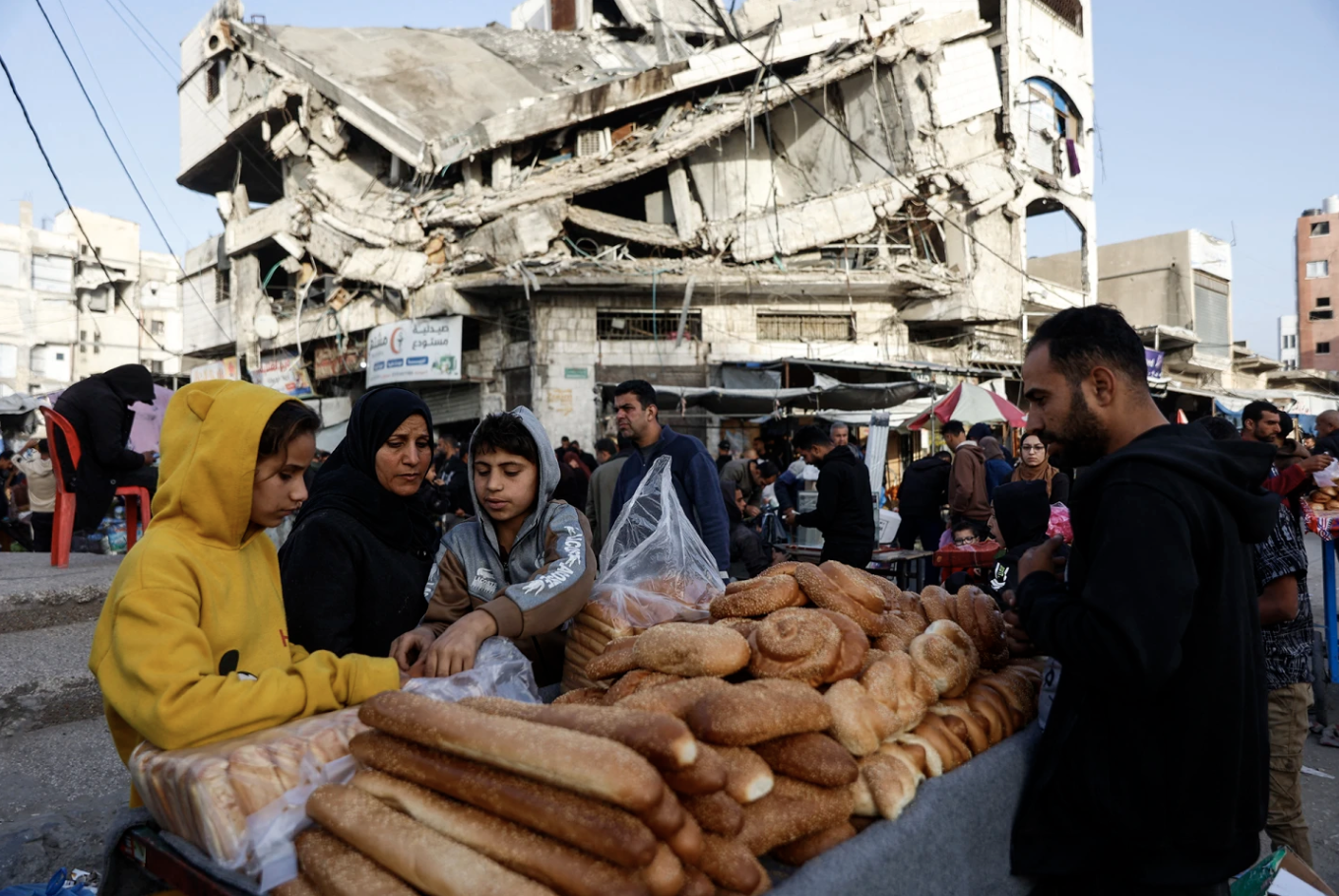
Palestinians sell bread on a street beneath a destroyed building in Gaza City’s Zawiya market on February 18, 2026, on the first days of the holy fasting month of Ramadan. Omar Al-Qattaa/Getty Images

Global Energy Flows and the War With Iran

Roughly 20 percent of global oil and natural gas supplies flow through the Strait of Hormuz, and more than 80 percent of those shipments head to Asian markets. CFR Fellow Clara Gillispie and Climate Realism Initiative Deputy Director Lindsay Iversen examine which countries face the greatest risk from an extended disruption. Read more

A shopper walks past a partially empty dairy section at a grocery store ahead of an expected winter storm spreading across the United States, in Washington, D.C., U.S., January 24, 2026. REUTERS/Nathan Howard/File Photo

Trade Fun Fact 

What share of global seaborne fertilizer trade transits the Strait of Hormuz?

Answer at the bottom of the newsletter

Adam Smith’s The Wealth of Nations Turns 250, and Free Markets Face Off Against Industrial Policy

CFR Fellows Rebecca Patterson and Sebastian Mallaby revisit a book that laid the foundation for modern economics, and then consider the tensions between free markets and industrial policy today. 

Listen
The Spillover

Featured From the Greenberg Center

CFR “Mini Mac Index” Shows Dollar Weakening in Trump’s First Year

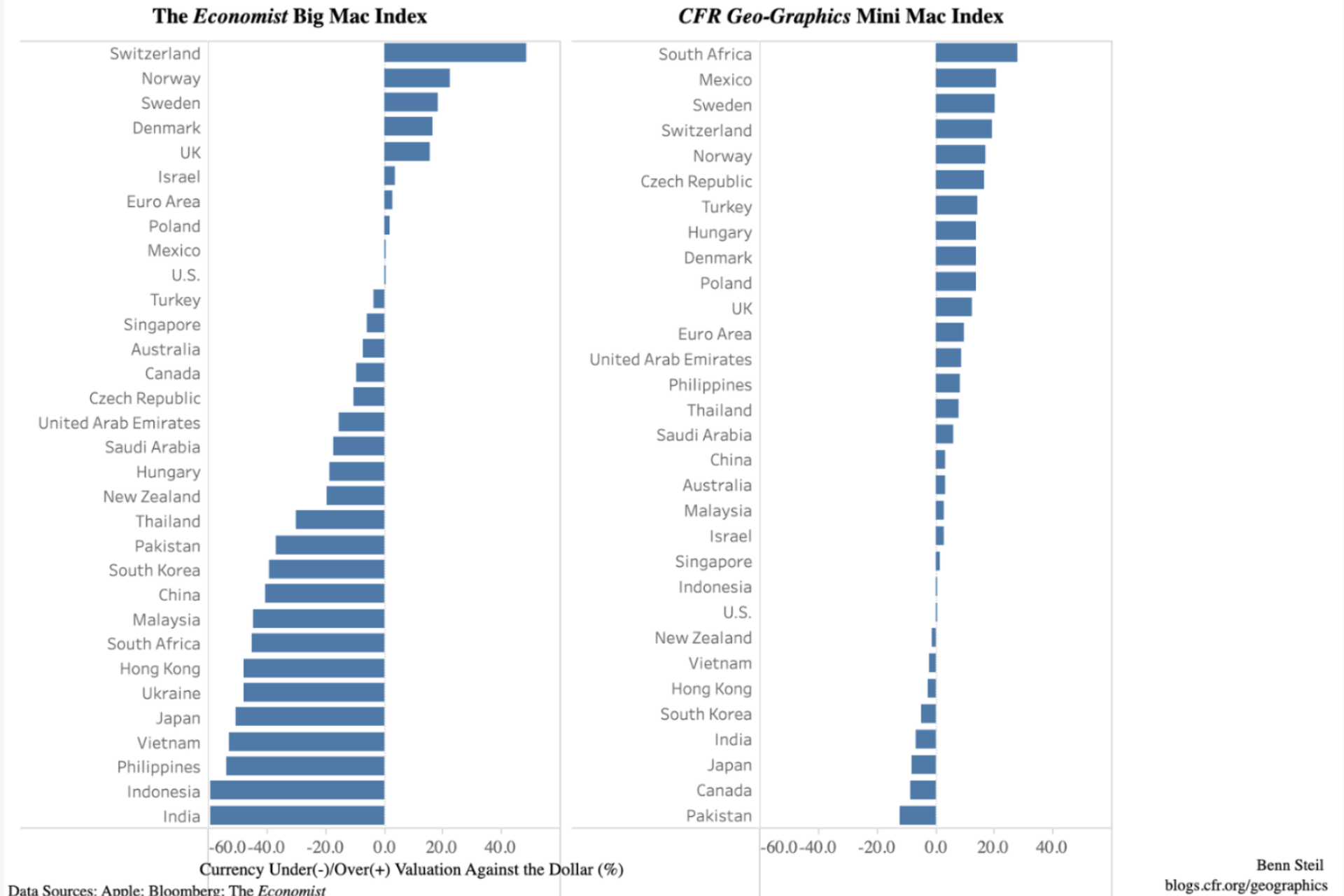
The Economist’s Big Mac currency index has the dollar overvalued by 19 percent. The “CFR Mini Mac Index” has it undervalued by 7 percent. CFR Fellow Benn Steil and Research Associate Yuma Schuster explain why the CFR version is a better measure of currency values. Check out their index

CFR Mini Mac Index

The Luck of the Irish

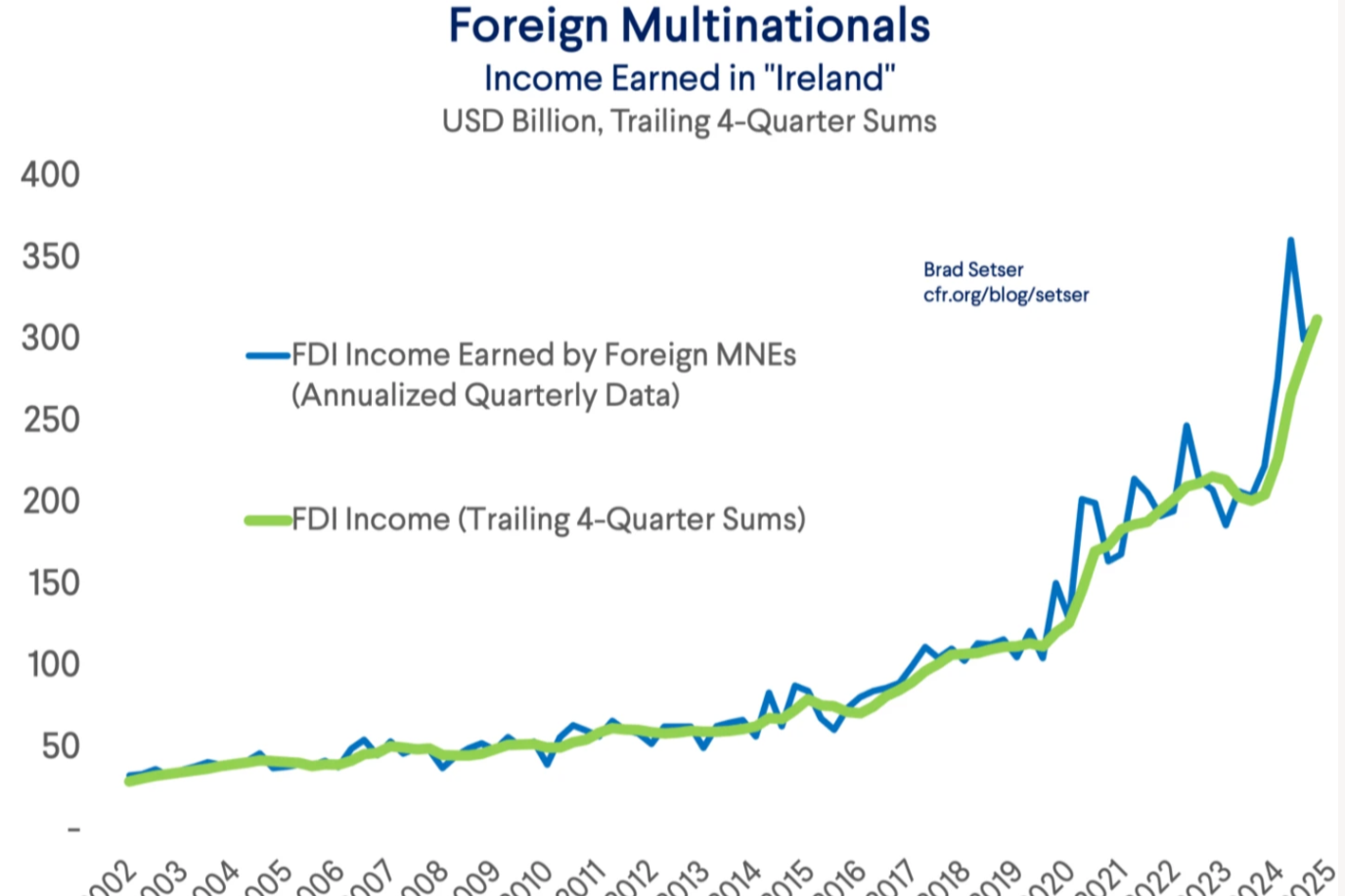
Each attempt to tax the massive profits booked by Irish-shored multinationals has only expanded the system that allows them to be booked there in the first place, explains Setser. Read more

Foreign Multinationals Graph

Tracking Trump’s Trade Deals

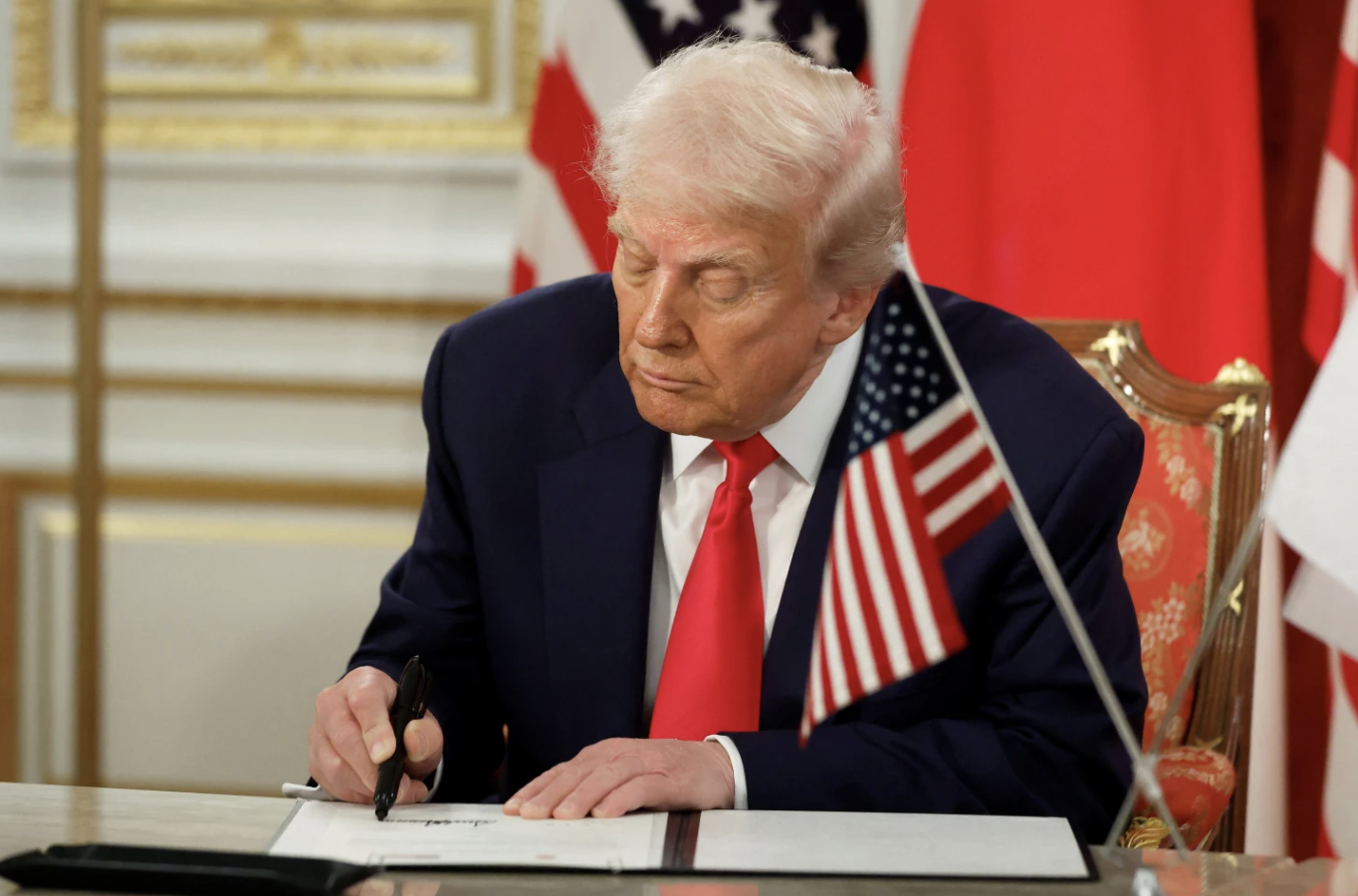
The president has set out to rewrite the rules of trade, one deal at a time. CFR Fellow Inu Manak and Associate Director for Geoeconomics Allison J. Smith created a tracker that breaks down the content of the deals to date. See the latest

US President Donald Trump during a signing ceremony for a document on the implementation of the US Japan trade deal with Sanae Takaichi, Japan’s prime minister, not photographed, at Akasaka Palace state guest house in Tokyo, Japan, on Tuesday, Oct. 28, 2025. Kiyoshi Ota/Pool via REUTERS

Leapfrogging China’s Critical Minerals Dominance

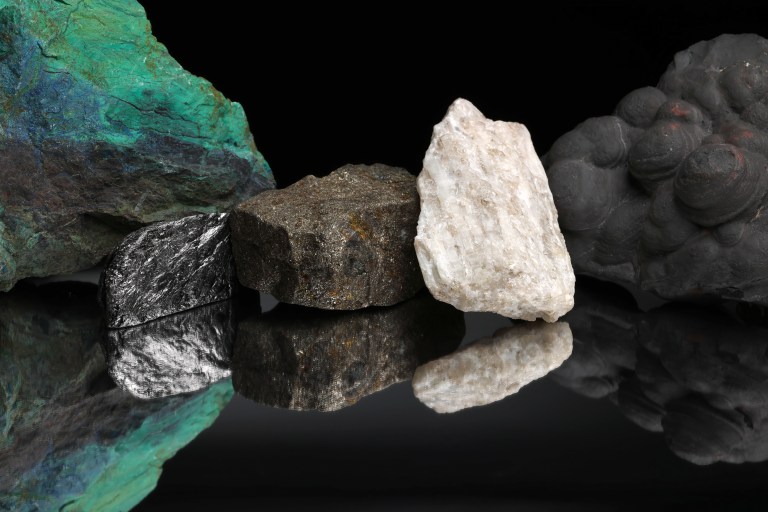
In the latest Council Special Report from CFR and Silverado Policy Accelerator, CFR Fellow Heidi Crebo-Rediker and Silverado’s Vice President of Policy for Critical Supply Chains Mahnaz Khan assert that the United States can leapfrog China’s critical minerals dominance by scaling disruptive innovation, recovery, and recycling.

Read the report
Council Special Report: Leapfrogging China’s Critical Minerals Dominance