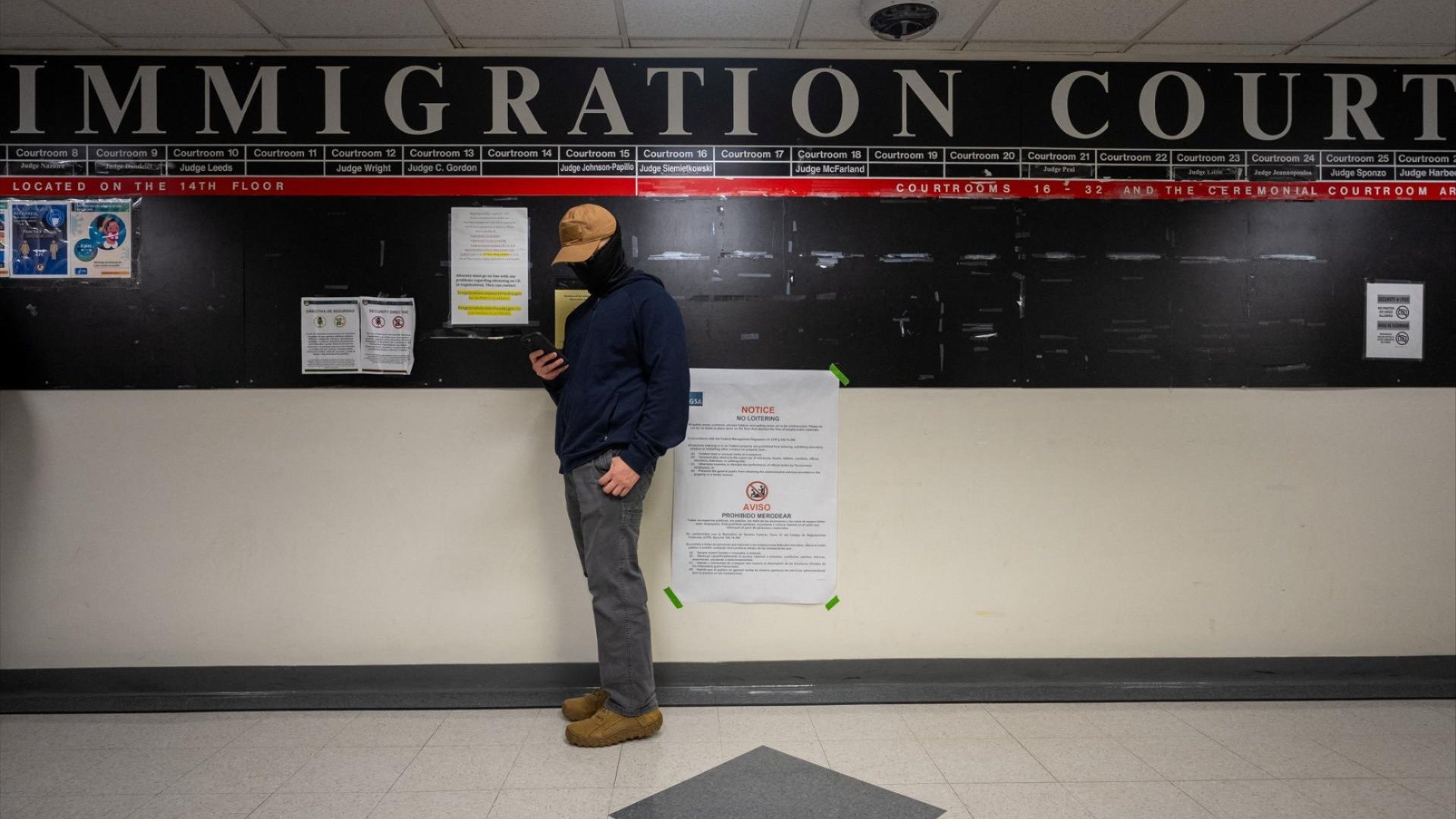
A growing wave of lawsuits by fired immigration judges is poised to test how far President Trump’s removal authority extends over executive-branch judges, and whether federal anti-discrimination laws still apply.
At least five former judges have filed lawsuits alleging they were targeted because of their backgrounds, prior advocacy for immigrants, or protected characteristics including race, sex, national origin, age, and political affiliation. Most seek reinstatement, back pay and damages.
The plaintiffs include George Pappas (Massachusetts), Florence Chamberlin (California), Carla Espinoza (Illinois), Kyra Lilien (California) and Tania Nemer (D.C.).
The DOJ is expected to argue immigration judges are “inferior officers” subject to at‑will removal under Article II, potentially outside standard civil-rights protections.
The Trump administration has fired at least 113 immigration judges and a similar number have taken buyouts, resigned or retired out of a total of approximately 700 judges, according to the National Association of Immigration Judges. At the same time, the DOJ has hired new judges, which it now calls "deportation judges," some on a temporary basis and most with military or enforcement backgrounds. On Thursday the administration added the largest class of new immigration judges in the agency's history. The DOJ said 77 new permanent immigration judges and five new temporary ones were sworn in.