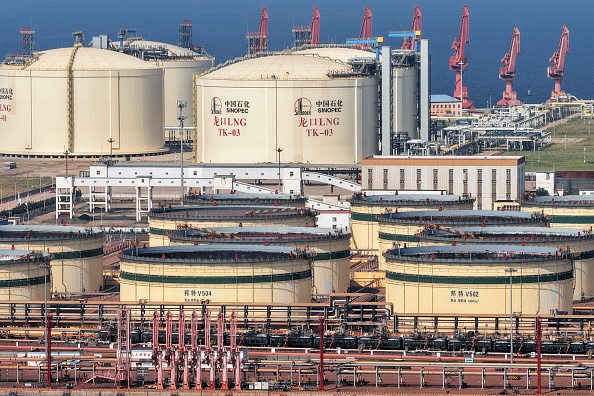
Oil and liquified natural gas storage tanks in Shandong, China. (AFP/Getty Images) |
|
|
|
For a cohort of devotees, the best part of waking up was coffee flavored yogurt, made by French food giant Dannon. The emphasis is very much on the past tense, as The Wall Street Journal reports that the beloved, if niche, variety has been discontinued. The just-over 5 ounce cups had 32 milligrams of caffeine, or about a third of a cup of coffee.
For nearly 40 years, “it’s what I got out of bed for,” Doron Zeif of West Orange, NJ told the paper. He wasn’t alone, based on the lamentations posted on the “Dannon Coffee Yogurt Fanatics” Facebook page, but the objections to Dannon’s decision were far from widespread. A petition on the fan page has attracted just 800 signatures, the WSJ reports, and Dannon says it is not wavering from its decision.
Stocks surged Monday, with the S&P 500 gaining 1.5% and the Nasdaq 100 posting a 1.8% gain as oil prices dropped. |
|
|
|
Why is oil so cheap when there’s a war on? Thanks, China! |
After the US began the war with Iran in late February, oil markets jumped and predictions flowed in for them to continue to rise. Prices of $150 or $200 a barrel were plausible, according to JP Morgan and Macquarie, respectively, and they were far from alone among analysts.
But something interesting happened as the war rolled on, and off, and on, and off again. On Friday, after a surge in prices due to ratcheting threats of renewed military action from President Trump, Brent crude closed at just over $90 a barrel, before falling almost 5% on Monday after a planned US attack was called off.
Yes, oil prices are certainly elevated, as are US gas prices, but markets have consistently rated the largest physical disruption to the global petroleum industry in decades as merely mildly serious. What’s going on here?
The answer has to do with the US and China. On the first point, the US is the world’s largest oil producer and has been for eight years. US oil producers responded to market mayhem and higher oil prices by pumping more oil every month on a year-over-year basis when the war started and the federal government opened the spigots of the US Strategic Petroleum Reserve wide, sending national reserves to their lowest level since 1983.
But the real story is China. It’s the largest single buyer of oil traveling – or more to the point, largely not currently traveling – through the Strait of Hormuz, leaving it remarkably exposed to the current dislocation in physical oil flows.
China’s response to the war in Iran? A crude diet, The Wall Street Journal reports: |
The country imported 11.6 million barrels of crude a day on average in 2025, data from the American Petroleum Institute shows. By June this year, imports had collapsed to around seven million barrels a day. |
China has built out a strategic oil reserve of more than 1.4 billion barrels and has deployed around 100 million barrels to plug its import gap. But it’s not just massive reserves that are serving as a cushion. While still not a massive producer, China has pushed domestic oil production up, looked to reduce oil and gas use in the chemicals sector by using coal, and worked to at-least partially wean some heavy industry off fossil fuels by using green hydrogen. And of course, the country has a wide set of policies, incentives, and subsidies intended to spur EV adoption.
|
| |
|
“China is the OPEC of oil demand,” oil analyst Homayoun Falakshahi told the paper. China could keep its imports low, match domestic demand to keep economic growth humming, and suppress global oil prices for another six months, according to the analysis firm Kpler, and still have more than 1 billion barrels in its reserves. If there is a path to peace between Washington and Tehran, it doesn’t seem likely to run through an energy crisis in Beijing. |
|
|
|
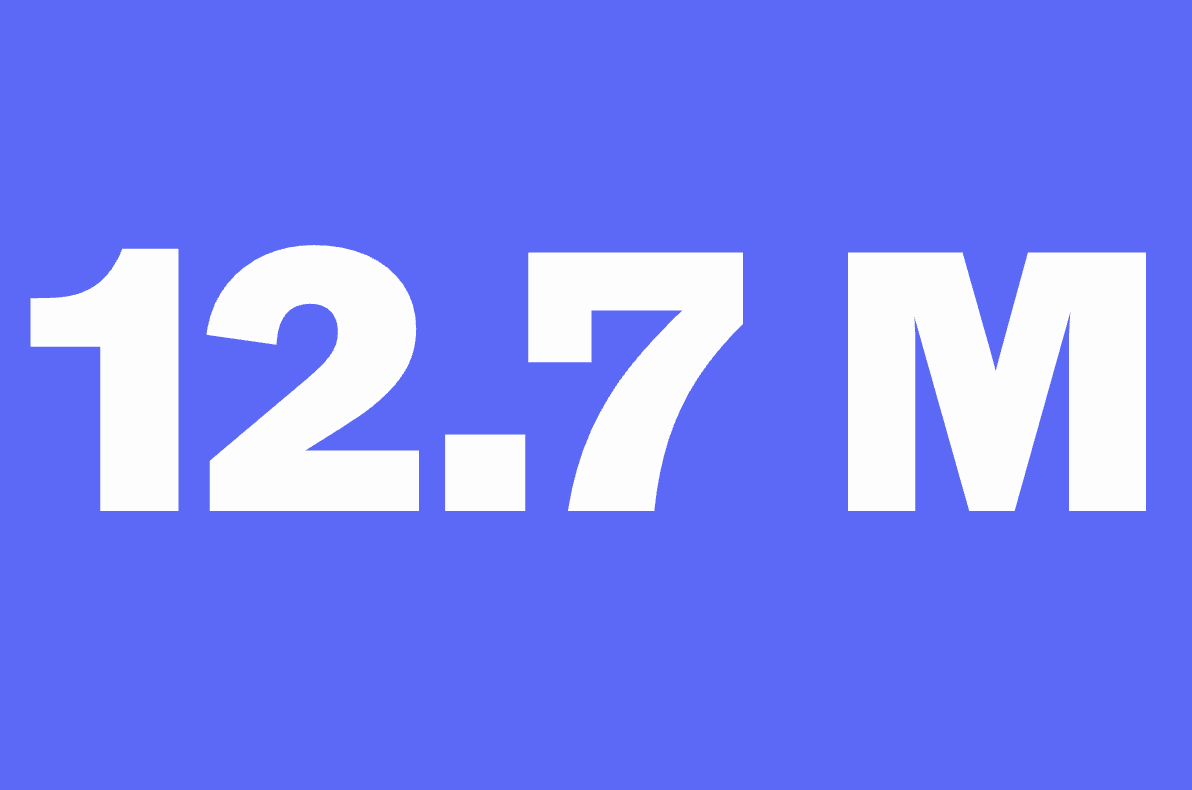
That’s the number of barrels of Bud Light that brewing giant AB Inbev is projected to sell in the US in 2026, the Financial Times reports, down from a peak of 15.8 million in 2024, as what was previously America’s best-selling beer and the company’s top-selling brand continues to reel from a 2023 conservative boycott.
|
|
|
|
A thunderstorm, known as Hector the Convector, appears every day at 3pm from September to March over the Tiwi Islands, due to the specific micro-climate of the area off the Darwin coast in Australia’s Northern Territory. |
|
|
|
-
Earnings from Caterpillar, McDonald’s, NRG Energy, Spotify, Apollo Global Management, Merck, Wayfair, Archer-Daniels-Midland, Hut 8, Cummins, DuPont, ahead of the open.
-
AMD, SpaceX, Arista Networks, Lucid, Opendoor, Paramount Skydance, Gilead postmarket.
|
|
|
|
Sherwood Media, LLC produces fresh and unique perspectives on topical financial news and is a fully owned subsidiary of Robinhood Markets, Inc., and any views expressed here do not necessarily reflect the views of any other Robinhood affiliate... See more |
|
|
|
|