|
Wednesday 5/8/26
|

|
|
London
Paris
Zürich
Milan
Bangkok
Tokyo
Toronto
|
|
|
|

getting the show on the road
This week’s dispatch starts from where you’d rather be,
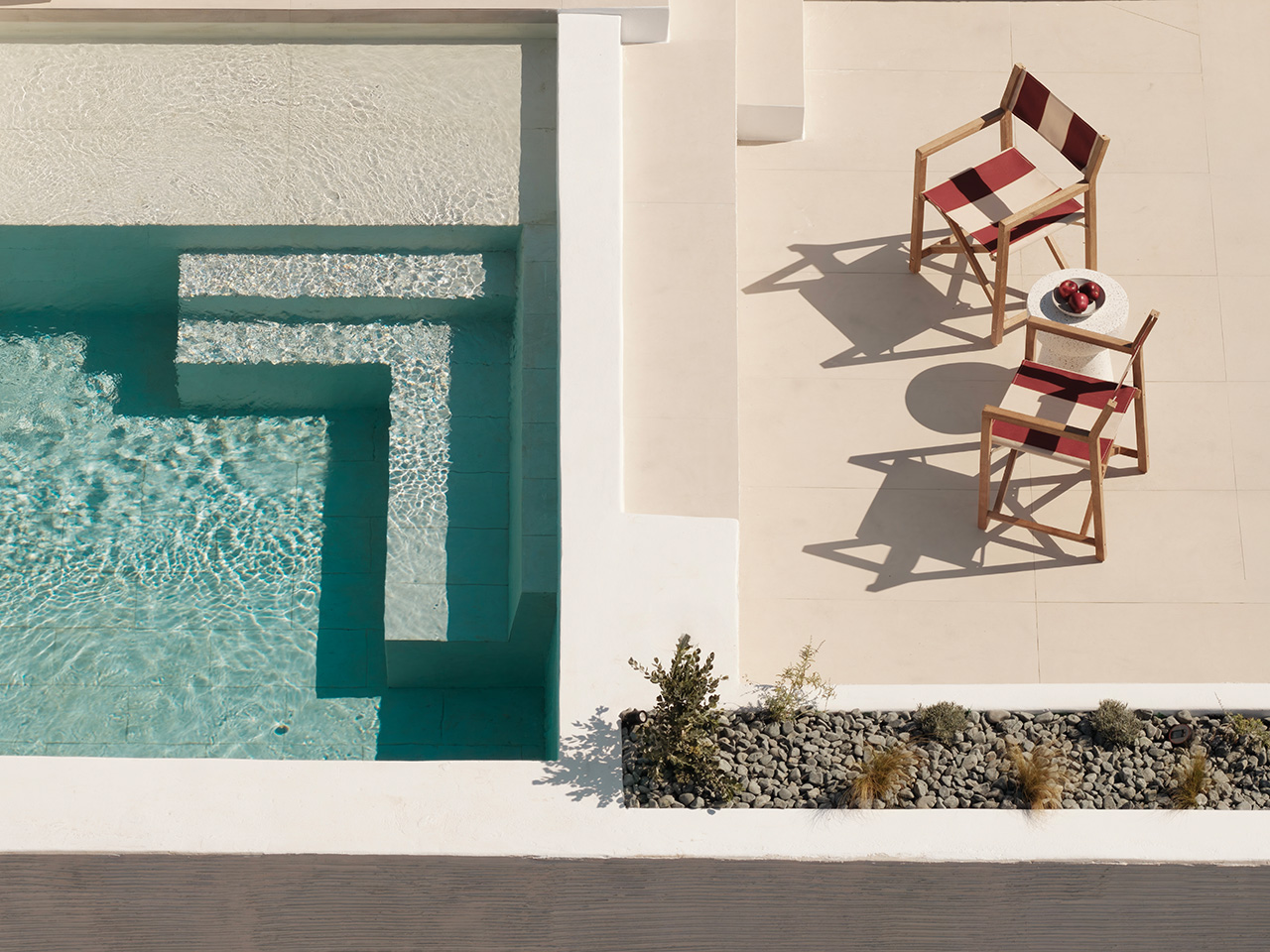
a Cycladic villa high above the Aegean (pictured). Then we go behind the scenes with
cinema-inspired architect Alex Holloway and take our rightful place on the iron throne – or rather, a
Swedish-designed iron armchair. Plus: we flip through a
must-have title for anyone interested in brand design. Getting us started is Monocle’s design editor, Nic Monisse, who is also in a cinematic mood. Roll camera, action!
|
|
OPINION: nic monisse
The devil is in the decor
I’m not normally one for a horror movie – I’ve been known to read a plot synopsis before going to the cinema so that I’m not a shaking wreck throughout. But when
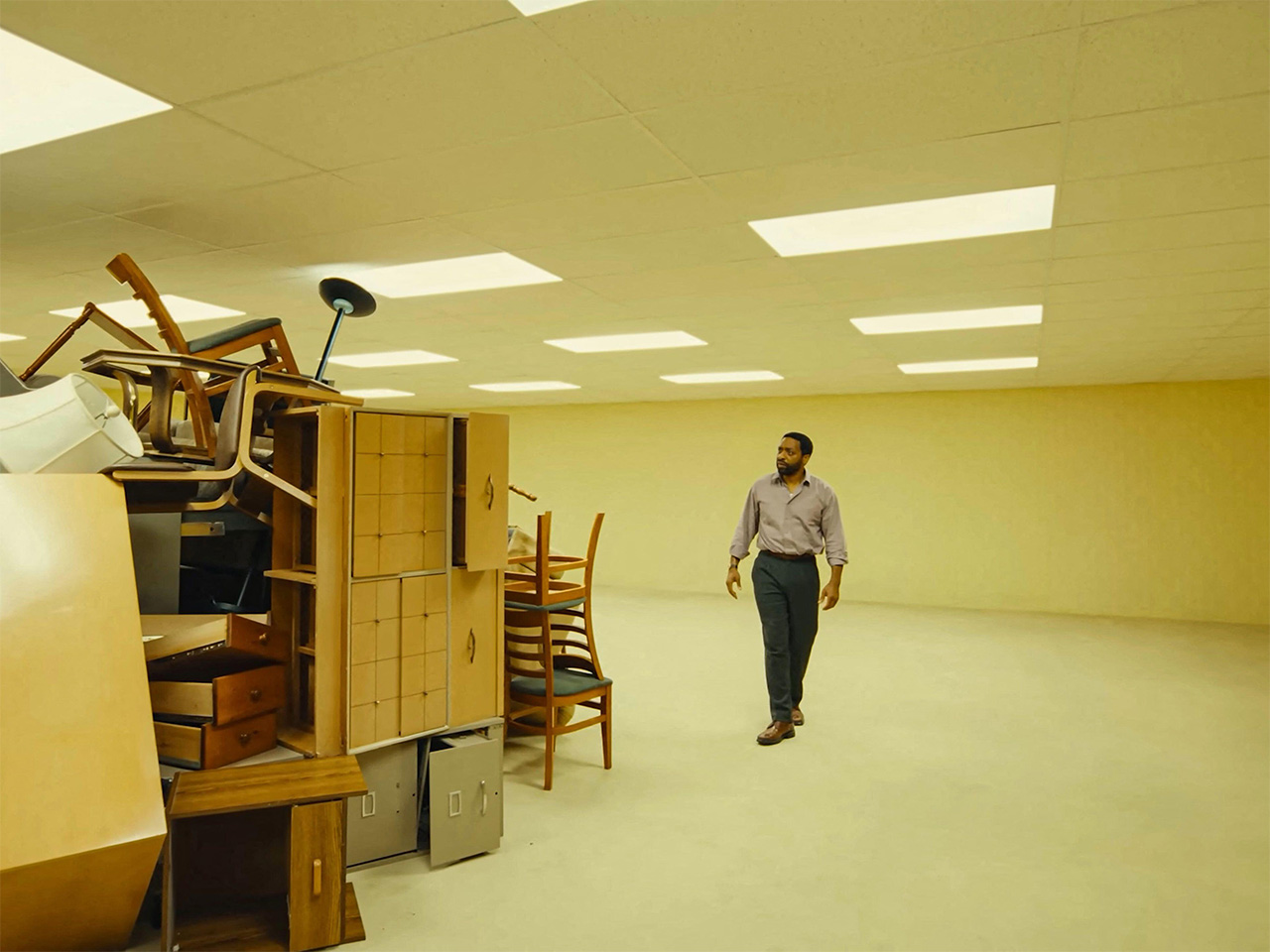
Backrooms (pictured) hit theatres at the start of the summer, I knew that I’d have to watch it. Created by wunderkind director Kane Parsons, the film is a pastiche of 1990s aesthetics and design: it follows the fortunes of a furniture salesman as he makes his way through a landscape of liminal spaces, inspired by the big-box warehouses and the corridors of nondescript hotels and corporate offices of the era.
Think seas of beige carpeting, drop ceilings and fluorescent lights. There are sets filled with chunky pine furniture and skirted, slip-covered armchairs too. The outdated visual landscape was intended to trigger a strange and lonely fear. And it was largely effective. But for me, whenever an overstuffed roll-arm sofa made an appearance (set against a background of chintz) that feeling of disquiet ebbed just a little bit. The horror of the liminal space suddenly balanced out by a sense of comfort.
|
At the time of viewing, I had chalked it up to pure 1990s nostalgia but a recent conversation with London-based
Linda Boronkay for Monocle on Design pointed to the potential for a deeper meaning. Speaking to the designer about how she creates spaces, she mentioned that furniture and objects – not just architecture – are among her most (if not the most) powerful tools. “I choose objects based on their aesthetic and material value, as well as their energy,” she said to me, adding that these still need to work in concert with everything from good lighting to correct placement. “But I believe in animism – the idea that even objects have a spiritual energy and charge.” Such a quality, she said, comes from an object’s ability to carry a memory or an association with a person or moment.
It clicked. What’s terrifying about
Backrooms is how it evokes the worst of 1990s environments – a time when soulless big-box shops were ubiquitously rewriting the look and feel of neighbourhoods, and new single-family houses began growing in size, paving the way for McMansions and suburban loneliness. More than any single object, the scale of such spaces – cavernous, overlit corridors and empty, oversized rooms – unsettled me most. In contrast, the film’s furniture – wooden ladder-back dining chairs, moulded plastic seating, honey-oak cabinets – carried an uplifting anima. Despite intending to reference a mismatched showroom display, it recalled feelings of cosiness and closeness, defined by family holidays at rentals down the coast and Christmas at my uncle’s place.
It’s easy to see furniture as second fiddle to architecture. But Parsons, and by extension Boronkay, show that considering the anima of the objects in our curation can shape a space as much as the four walls that define it. So, search for the objects that speak to you – fill your home with pieces that have meaningful energy. And if you’re still scared of watching
Backrooms (now streaming and still in a few theatres worldwide), take comfort in its anima-imbued furniture – it might just get you through the terror of its liminal spaces.
Nic Monisse is Monocle’s design editor. For more news and analysis, subscribe to Monocle today.
Anima in action: Linda Boronkay is a leading interior designer. She’s particularly known for her characterful hotels, including Osborn House in the southern highlands of New South Wales.
Read our full report on this outstanding hospitality project here.
|
|
The Project: Villa Sol Mare, Greece
In good hands
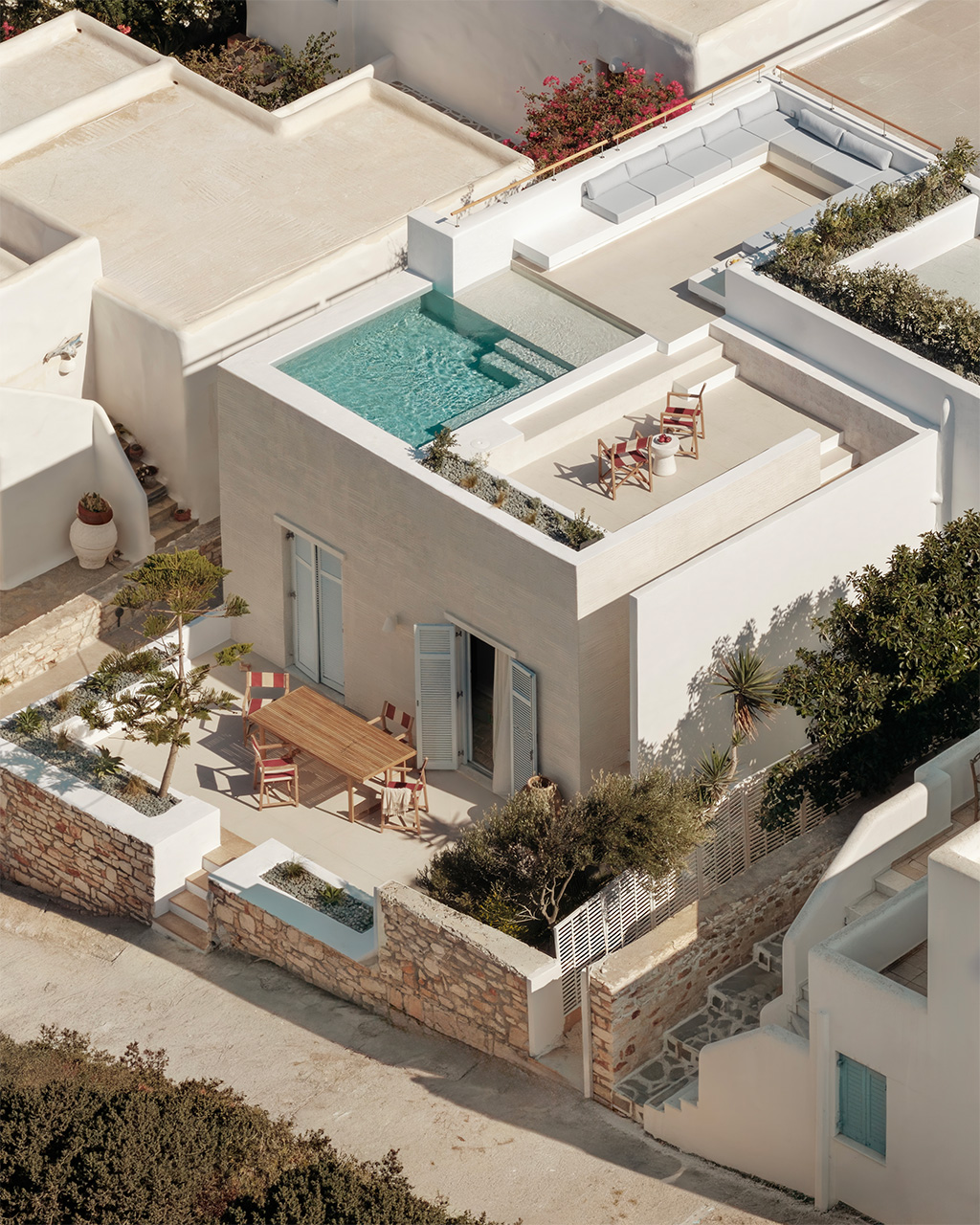
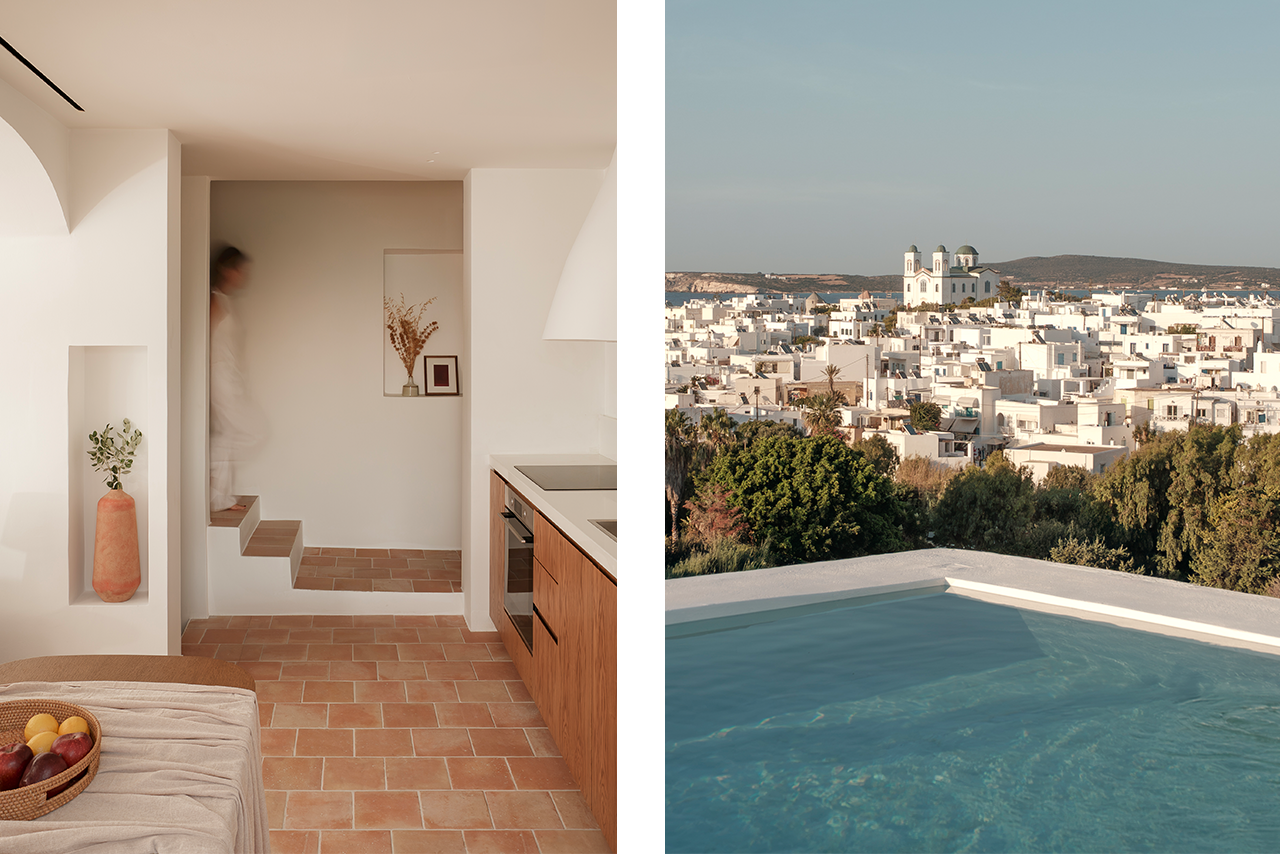
“Cycladic architecture is defined by restraint, economy of means and a deep understanding of climate, topography and everyday life,” says Chaido Kaproulia. The architect founded Athens-, Corfu-, and New York-based practice Isola Studio with Eva Lavranou in 2021 and the pair just completed the renovation of a hillside house on the island of Paros. Called Villa Sol Mare, the duo channeled the visual quality of Cycladic architecture through hand-textured plaster on the building’s exterior and the use of traditional timber windows and pale-blue shutters.
|
|
Innovation came in the rearrangement of its existing rooftop terraces: a new pool has been added with a series of stone steps, lined with native plants that frame a sequence of dining, relaxing and outdoor living spaces. A similar contemporary reinterpretation can be found indoors, with terracotta floors and walnut joinery and cabinetry spread throughout the three-bedroom home. “This project reinforced our understanding of Cycladic architecture as a process of revealing rather than recreating,” says Lavranou. “By opening up the plan, relocating the staircase and entrance, and introducing more generous architectural gestures, we transformed it into a warmer, more tactile home rooted in its place.”
isola-studio.com
Greek escape: For more outstanding postcard-perfect homes on the Greek coast, read our report on the
Laspi guesthouses near Athens – the perfect place for a summer escape.
|
|
WORDS WITH... Alex Holloway, UK
Making a scene
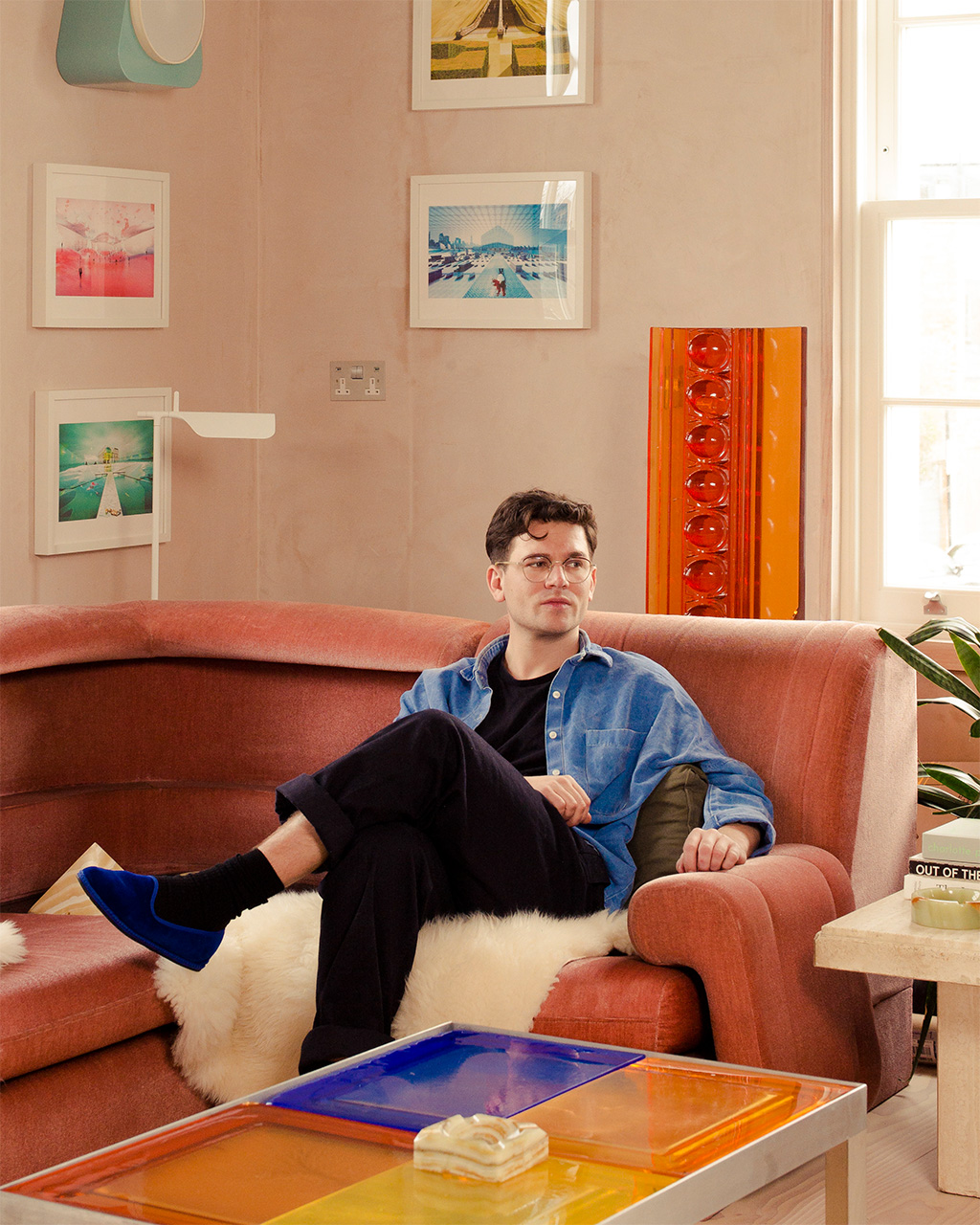
“I’ve always been more drawn to film and art than the architectural canon,” says Alex Holloway. It makes sense given that the work of his design studio, Holloway Li, is often described as “cinematic”, with projects including a bar inspired by the 1980s Italo-disco scene and an airline lounge evoking the golden era of aviation. Established in 2015 in partnership with Na Li, the London- and Hong-Kong based practice spans architecture, interior and furniture-design projects across the globe.
|
What creative or movement has influenced you the most?
Stanley Kubrick’s use of single-point perspective and symmetrical vistas has been a huge influence. I often think about how American visual artist and filmmaker Matthew Barney constructs these meticulous, crafted worlds in
The Cremaster Cycle series. That way of building atmospheres and narratives has had as much of an impact on me as any architect or interior designer.
A recurring source of inspiration?
I have been going to Pembrokeshire in South Wales every summer for my whole life. I love the cliffs, dramatic coastline and the sunsets that you get on the west coast over the Irish Sea. There is a home that locals call the “Teletubby House”, which is built into a grassy hillock. It was designed by former London-based architecture and design practice Future Systems in the late 1990s. I hike to see it every time I go. It has a simple magic that blends sci-fi and nature in an incredible way – it’s a tragedy that UK housing and planning policy is so backwards and designs like this are feared. This house has become a cherished landmark.
A favourite project that you’ve worked on?
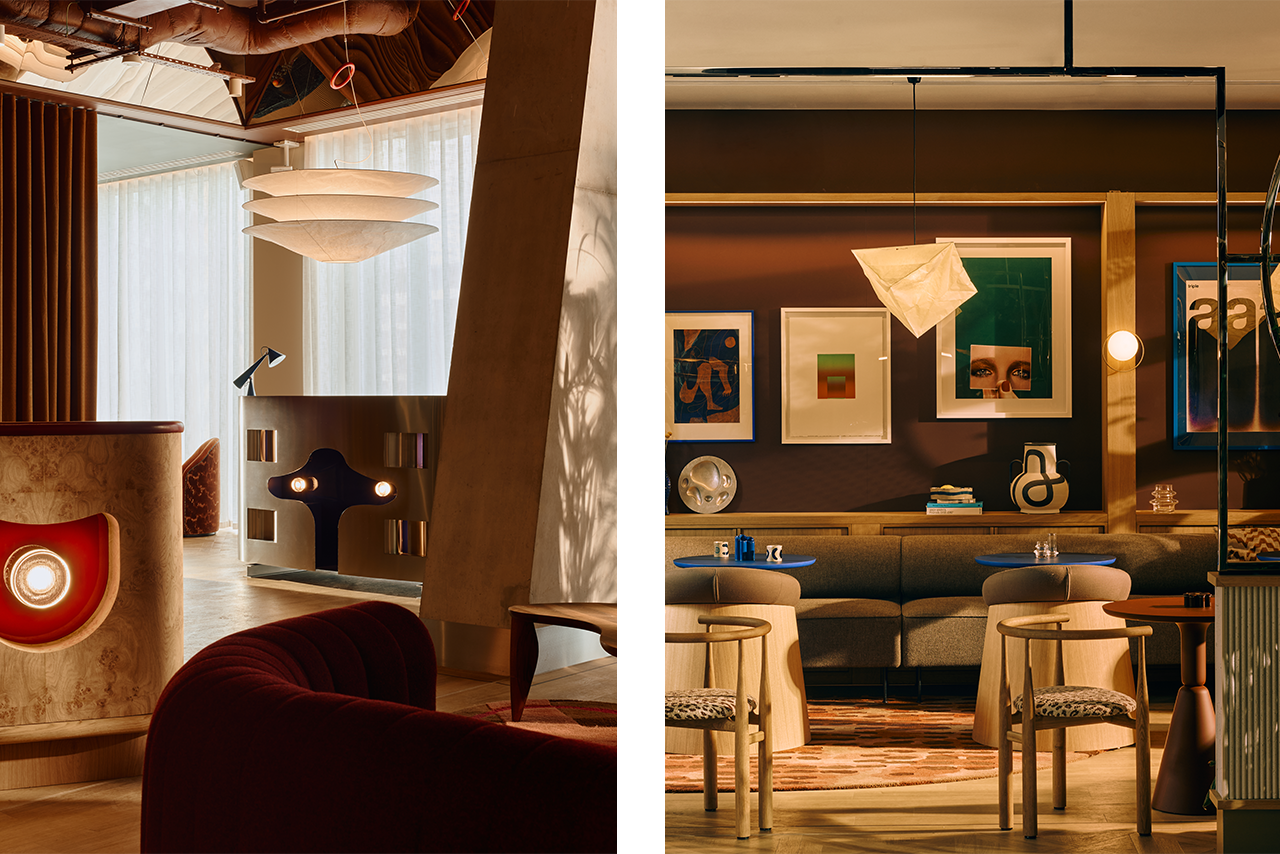
Locke London Canary Wharf hotel is probably one of the projects that I’m most proud of because it captures a lot of what our studio has been trying to do over the past few years. This includes the concept of the “cinematic everyday” and the idea that ordinary spaces can have the atmosphere and narrative of a film set. This project gave us the chance to explore that at every scale.
|
Its location in Canary Wharf is fascinating because it’s in the middle of a real cultural shift. Rather than rejecting its corporate past, we wanted to reinterpret it through a more glamorous, nostalgic lens, borrowing from the confident optimism of 1960s office culture before pushing it towards something altogether more social and hedonistic. There are references to everything from
Mad Men to retro-futurist automotive design. We’ve been working with Locke since 2018. This is the third hotel that we’ve designed for them and the most ambitious. It feels like we’ve grown up together in a way.
The sky’s the limit: which piece of furniture would you love to own?
I’m less about collecting icons and more about playful, transformative pieces. At home, I’ve surrounded myself with bold retro furnishings and our own T4 modular chair grew out of that same fascination with the 1990s and automotive forms. If money and space were no object, it would be something equally sculptural and adaptable, something you can live with, reconfigure and that keeps surprising you.
A dream commission?
Designing a woodland cabin hotel – architecture and interiors front to back, including all the fittings and fixtures.
A priority for you and the industry going forward?
Sustainability in interiors is not being applied in an exciting way that lands emotionally – it’s all “50 per cent recycled content” chat and not much else. We need to design within a circular economy, reusing what’s already out there without using loads more carbon to pulverise old stuff into something new. We need to rethink the five-year refit cycle that dominates hospitality. A constant obsession of mine is asking how we define new ways of designing that plans for future reuse. You could call it a “circular aesthetic” that can stand on its own feet as luxurious, fantastical and unique.
hollowayli.com
Listen up: For more from Alex Holloway, tune in to
Monocle on Design on Monocle radio.
|
|
from the archive: Iron Armchair, Sweden
Iron throne
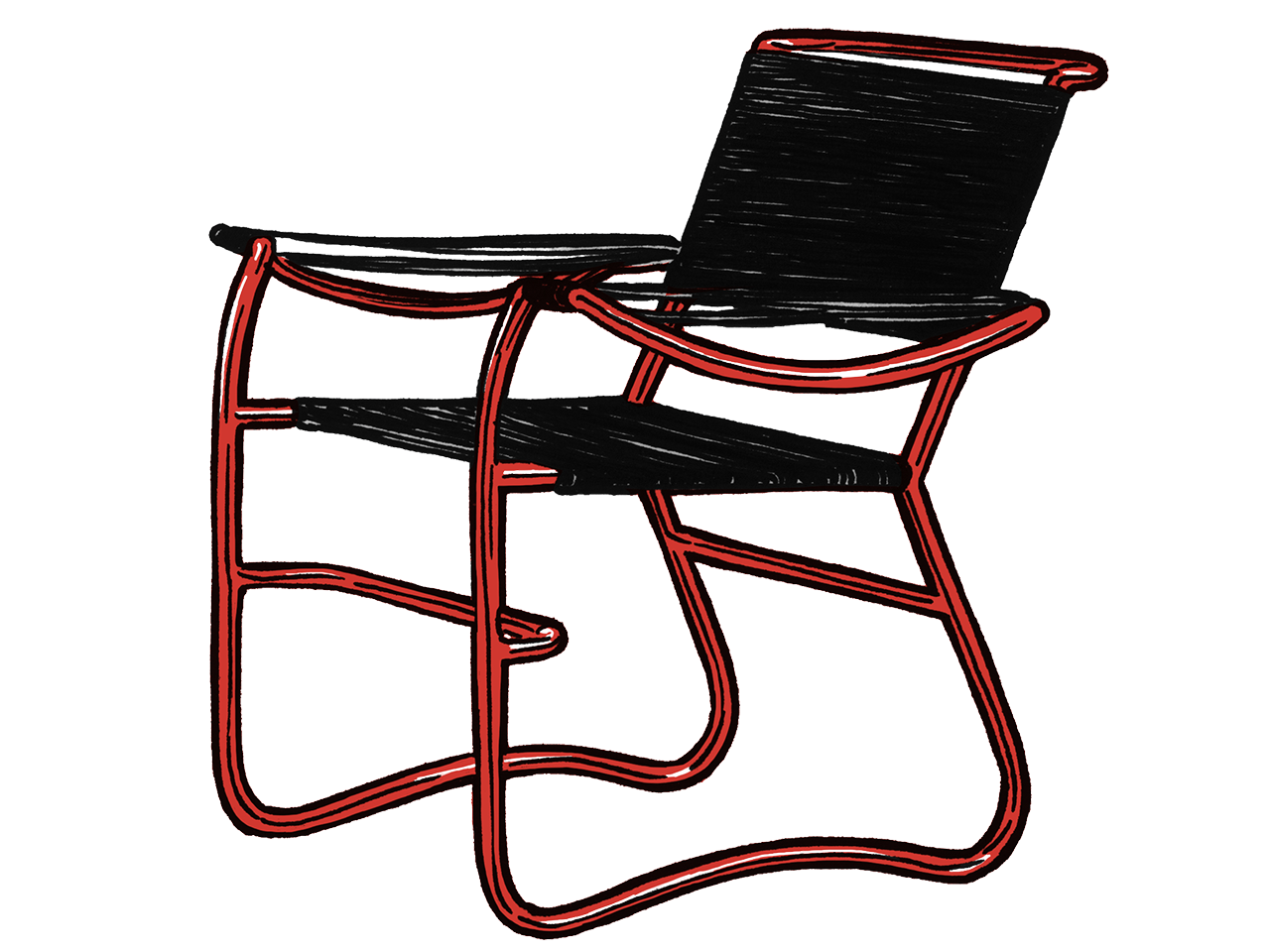
In 1930 architect Sven Markelius presented a line of chairs at the Stockholm Exhibition, a seminal trade show that helped to form the functionalist movement. Most of his designs were cantilevered chromed-steel seats, following the Bauhaus-led fashion of the time. But since Markelius was collaborating with AB Stockholms Nya Järnsängsfabrik (Stockholm Iron Bed Factory), he also created an armchair with an iron frame. The metal has more heft than steel and would have also been well suited to outdoor use.
Markelius’s iron chair seems to never have been put into wider production, as the design is now a valuable rarity at auctions. But these lesser-known experimentations are worth revisiting as furniture manufacturers try to find alternatives to chromed steel, which is environmentally damaging to produce. As Markelius proved, the result can be much more functional and unique.
|
|
IN THE PICTURE: ‘Elements of Brand Design’, UK
Branding exercise
Graphic design enthusiasts will need strong bookshelves for this mammoth, near 500-page hardback from Taschen. | | | | |