+ What a year of patrols shows.
 

The Daily Docket

The Daily Docket

A newsletter by Reuters and Westlaw

By Caitlin Tremblay

Good morning. Today we begin with a look at what National Guard troops are actually doing while stationed in D.C. Plus, President Trump named nine new judicial nominees; the 5th Circuit rejected an FDA rule requiring 11 graphic warnings on cigarette packets; and the latest from the Meta social media addiction trial. I hope your Thursday goes by faster than this very speedy star. ⭐

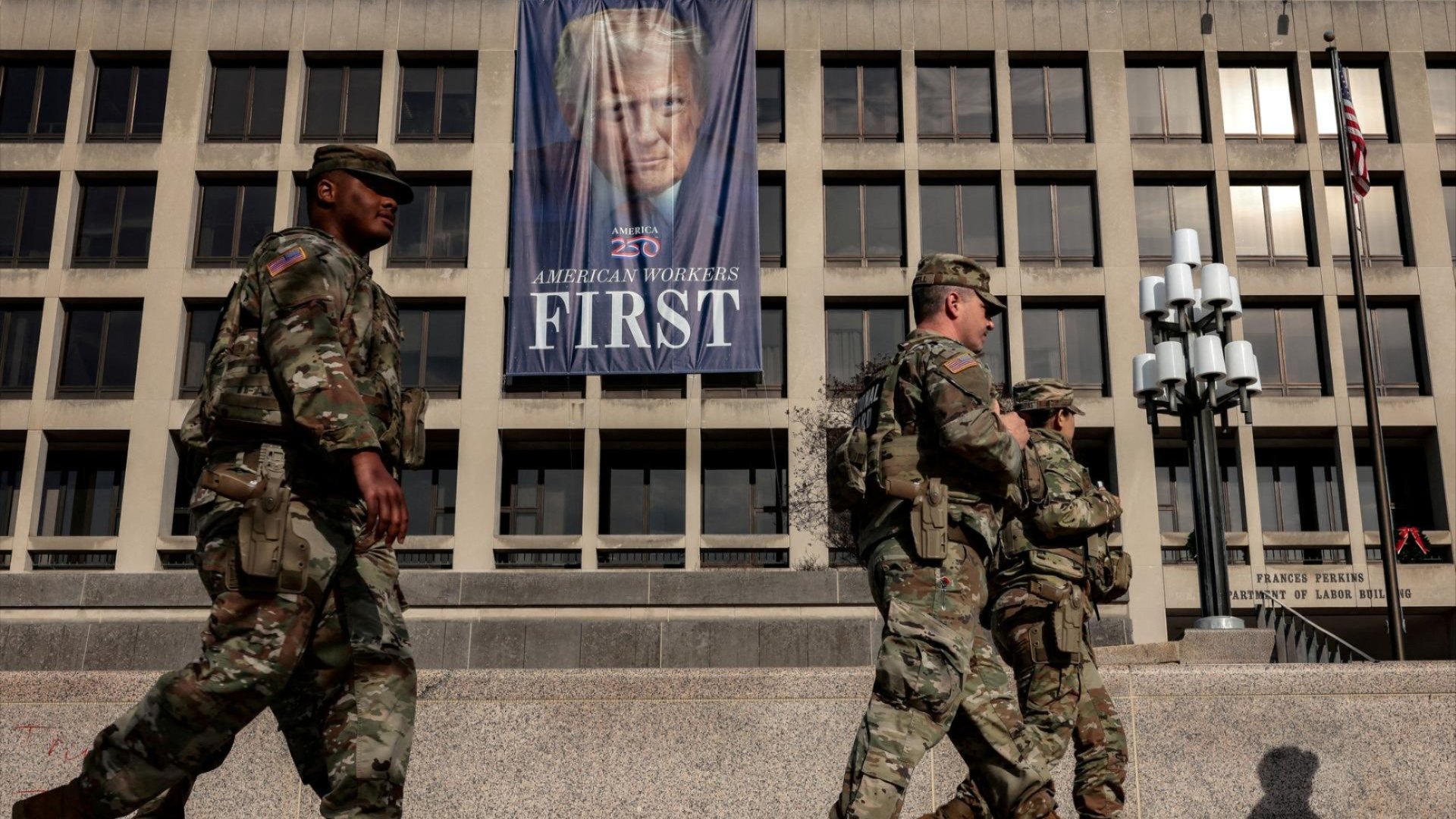
Trump put thousands of soldiers on Washington’s streets. They seldom stop crime.


REUTERS/Evelyn Hockstein

A year after President Trump sent thousands of National Guard troops into D.C. to fight crime, a Reuters review found the soldiers rarely play a direct role in major criminal cases. Here’s what to know:

Troops outnumber police, but rarely make arrests. National Guard members were mentioned in just 1.3% of criminal cases filed since the deployment began.

Most encounters involve low-level offenses. Court records show soldiers helping detain people for alleged shoplifting, fare evasion and other minor crimes more often than serious violent offenses.

They mostly patrol safer parts of the city. Reuters found little evidence of troop involvement in the neighborhoods that have seen the vast majority of D.C.'s homicides.

The mission comes with a hefty price tag. The deployment currently costs more per day than the city's police force and could total $1.4 billion by the end of Trump's term.

It's unclear whether it's reducing crime. Murders have fallen, but so have homicides in many other cities. One recent study found the deployment reduced car thefts but had no measurable impact on violent crime.

Why it matters: Trump has promoted the deployment as a model for fighting crime in U.S. cities. D.C. is becoming a test case for whether a military-style presence actually improves public safety.

Brad Heath has more here.


Coming up today

  • Environment: U.S. District Judge Trevor McFadden in D.C. will hold a status conference in a lawsuit challenging the Trump administration’s cancellation of $14 million in conservation grants that plaintiffs claim were part of an “unlawful political viewpoint purge.” Read the complaint.
  • Criminal: The suspect in the White House Correspondents’ Dinner shooting incident, Cole Allen, is expected in court for a status hearing.

Court calendars are subject to last-minute docket changes.


More top news

  • FTC considers requiring disclosure of personalized pricing
  • U.S. tells schools not to alter discipline policies to reduce racial disparities
  • Trump to host crypto executives as SEC considers regulations
 

Industry insight

  • President Trump's latest slate of nine judicial nominees includes an Oklahoma state attorney who backed allowing taxpayer-funded religious charter schools and a pick to replace an Alaska judge he appointed in his first term who resigned in a sexual misconduct scandal.
  • Federal prosecutors urged a judge to reject former FBI Director James Comey's bid to dismiss charges over a social media post that featured the numbers “86 47.” The Justice Department cited a legal thriller novel by Comey as evidence the former FBI director knew his post would be interpreted as a threat to President Trump.
 

"All roads lead to time in the product. In that context, safety was always an afterthought."

—Former Meta engineering director Arturo Bejar testifying in court on Wednesday. Bejar, who helped run surveys of teen experiences as part of a team examining well-being on Instagram between 2019 and 2021, is the first witness in a landmark trial accusing Meta of designing its platforms to addict young users, misleading the public about their safety and illegally collecting data from users under 13. Read more about his testimony here.


In the courts

  • Government: President Trump’s bid to inscribe his name on the Kennedy Center is facing a renewed court test. Board member and Democratic U.S. Representative Joyce Beatty said she will seek an order blocking Trump's name from being newly inscribed on the building's facade, months after a federal judge said only Congress could rename the iconic Washington venue. Read the filing.
  • Health: The 5th Circuit ruled that the FDA overstepped its authority by trying to require that cigarette packages and advertisements contain 11 graphic warnings illustrating the health risks of smoking. Read the decision.
  • Banking: The 2nd Circuit revived an investor lawsuit over the 2023 collapse of Signature Bank, saying the FDIC's seizure of the lender did not strip shareholders of their right to sue for securities fraud. 
  • Product Liability: Abbott Laboratories reached a settlement to resolve its appeal of a $495 million verdict over claims its specialized formula for premature infants caused an Illinois girl to develop necrotizing enterocolitis, a dangerous bowel disease.
  • IP: Christian metal band Demon Hunter sued Netflix and concert promoter AEG Presents in California federal court, alleging an upcoming concert tour based on the streaming platform's "KPop Demon Hunters" movie