When you need to make a decision, you might turn to AI for advice. But what happens when you let algorithms make big decisions for you? Computational social scientist Sandra Matz reveals how AI models limit what you see, discover and try, subtly flattening what makes you unique. Hear her tips for how to use AI to fuel your curiosity and expand your world instead. |
-
The flattening impact goes beyond entertainment. With AI simply feeding you more of what you already like, your tastes, opinions and ideas are at risk of narrowing into statistically safe sameness, erasing the rough, weird edges that make you unique and dynamic.
-
AI algorithms don’t always prioritize discovery. “Safe bets protect against disappointment, which in turn reduces customer churn,” says Matz. While people have different tolerances for risk, many often (and naturally) want to try something new. It’s good to keep that exploration muscle active.
-
Companies should incentivize well-calibrated risk-taking. What if your recommendation algorithms had a dial giving you direct control over how far the AI strays from your established preferences? Try instructing AI to give you genuinely new suggestions sometimes, knowing it won’t always be perfect.
|
|
|
|
The Very Hungry Caterpill-AI
|
A boom in secondhand book sales may be attributed to AI’s endless need for data, BBC reports. Booksellers worldwide are seeing unusually large orders to distant warehouses, and while the business is good, fears of its implications are real. Court documents revealed Anthropic engaged in industrial-scale “destructive scanning” — removing a book's spine so all the pages can be digitized rapidly, with the remains recycled. Though a spokesperson said none of their data acquisition includes buying and destroying rare or antiquarian books, your old copy of The Da Vinci Code might be sacrificed to the hungry belly of AI.
Related: Technologist Tristan Harris asks an urgent question: What if the way we’re deploying the world’s most powerful technology — artificial intelligence — isn’t inevitable, but a choice? In an eye-opening talk from TED2025, he calls on us to learn from the mistakes of social media’s catastrophic rollout and confront the predictable dangers of reckless AI development, offering a path where power is matched with responsibility, foresight and wisdom.
|
|
|
TED IS SUPPORTED BY ADS AND PARTNERS |
|
|
|
| Company leader Hilary Gridley thinks AI belongs in management. But how can AI help you manage others without making it feel impersonal? Tune in to find out. |
|
|
|
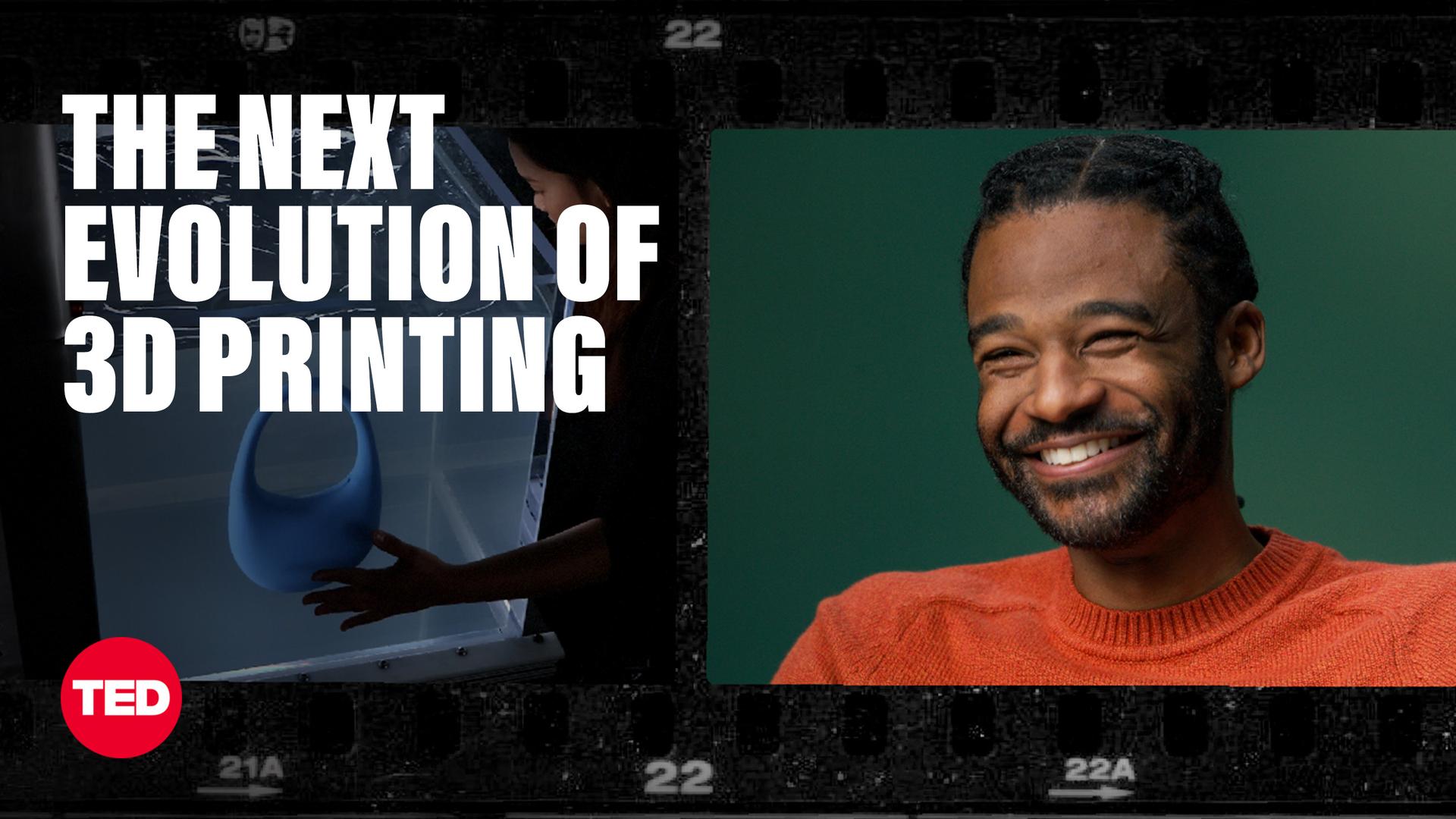
3D printing promised to reinvent how we make things, but it's mostly stuck producing prototypes with a high level of waste. Designer and TED Fellow Schendy Kernizan found a different way — by printing objects directly into a tub of gel. He explains how this technique eliminates the constraints of gravity, pushing the limits of how we manufacture objects across medicine, fashion, space travel and more. |
|
|
|
|