Get expert insight into the technologies and trends shaping the global automotive industry on Reuters.com. Subscribe for $1/week.
|
|
|
|
By Nick Carey, Senior European Autos Correspondent |
|
|
|
Greetings from London!
I have just returned from a couple of weeks soaking up some Mediterranean sunshine in southern England, which in the current drought felt more like Tuscany. My young son has recently discovered what I do for a living and spent much of the holiday announcing the brand names of all the cars we saw.
That included a not insignificant number of Chinese brand cars – BYD, Omoda, Changan, Jaecoo, Leapmotor, a couple of Xpengs and even a Geely. This was a far cry from the game of “Name That Brand” that I have engaged in with colleagues on visits to China – where sooner or later we all get stumped by a brand we do not recognize.
But it is a sign of the change that is taking place on roads from England to South Africa and many countries in between as Chinese brands rush to expand globally. Which brings us to today’s Auto File… |
|
|
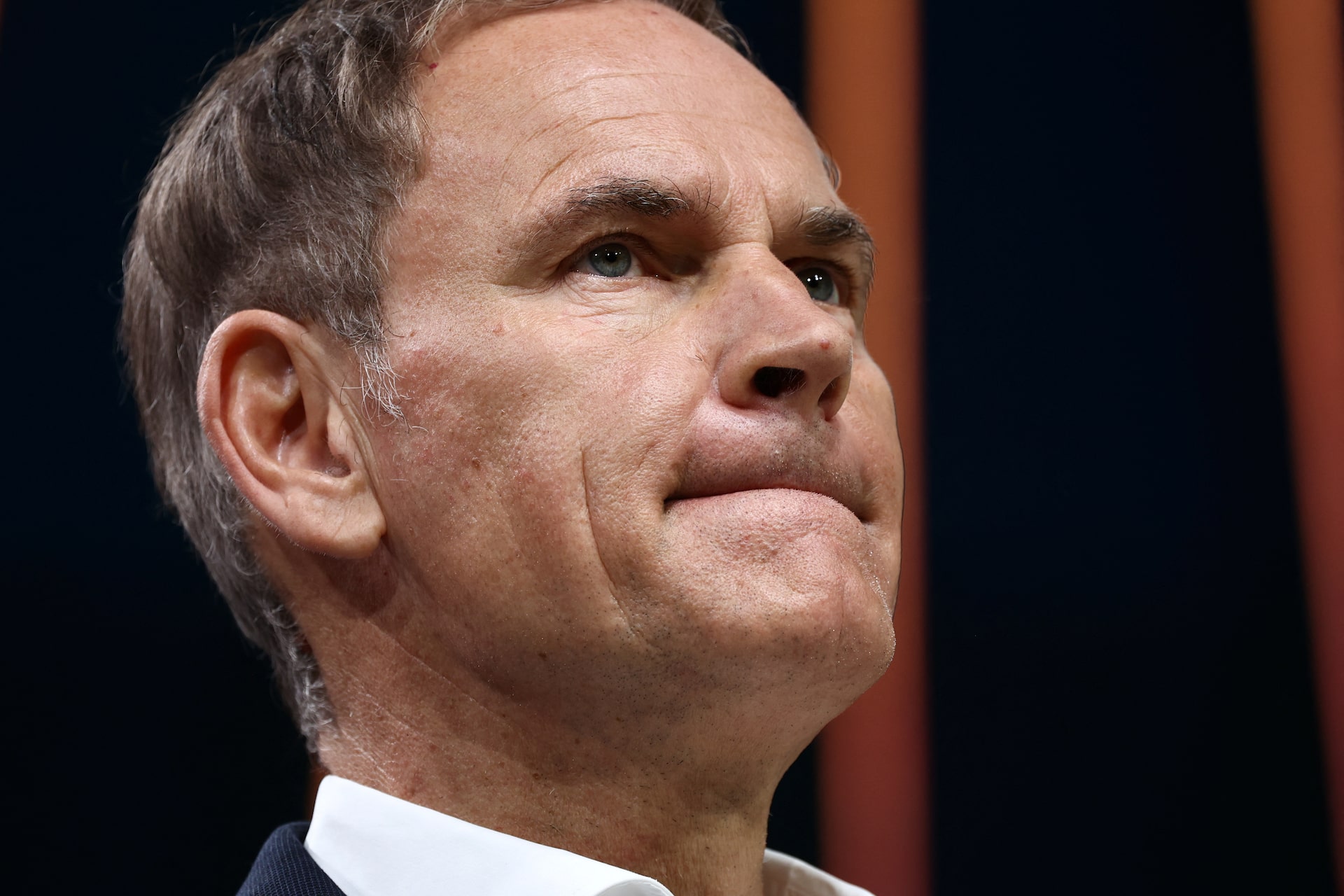
VW's Blume will make fresh push on cuts - REUTERS/Liesa Johannssen. |
Earlier this summer, Volkswagen CEO Oliver Blume tried and failed to persuade the carmaker’s supervisory board to accept his proposal to slash jobs and shutter factories in Germany, its home market.
Blume will take a second bite at that apple later this week. But this time he faces two opposing proposals submitted by labour and state government stakeholders. The contents of those proposals are not clear, but presumably they would not entail tens of thousands of job cuts and factory closures.
The state premier of Lower Saxony, which is VW’s second-largest shareholder, says there is pressure on all sides to cut a deal.
A nuclear option left to VW’s management if they fail to muster enough support at this week’s board meeting is to call an emergency shareholder meeting.
Though this path runs the risk of a lengthy legal dispute between shareholders, it would allow VW to put its plan to investors who would be more amenable to making cuts to better compete against rapidly expanding Chinese rivals. |
|
|
|
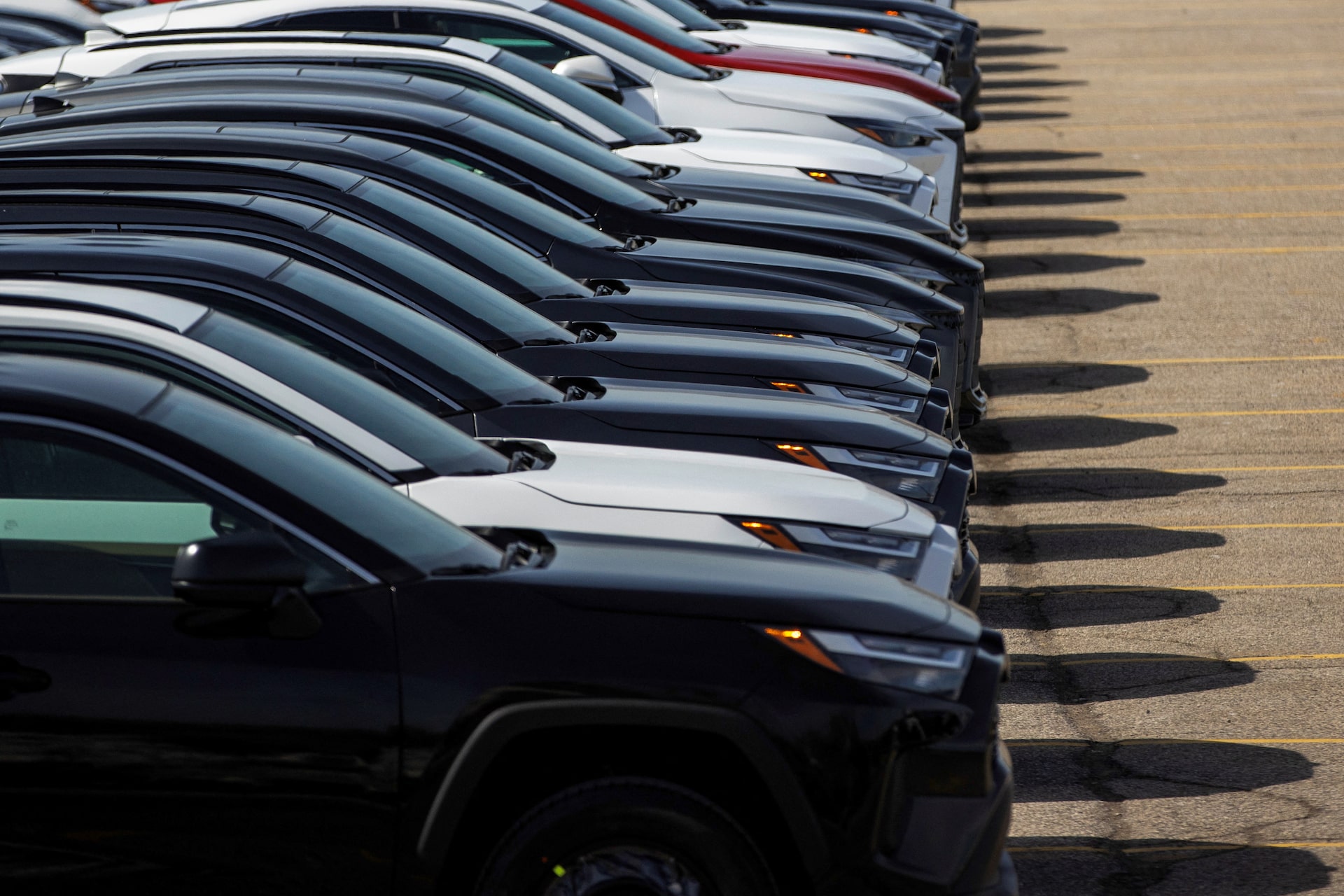
Trump's Canada tariffs mean pain for Toyota - REUTERS/Carlos Osorio. |
Honda, Toyota’s tariff pain |
The auto industry was taken by surprise by the trade war between the U.S. and Canada, as it had assumed a deal was coming.
But now, instead of 25% tariffs, automakers face 50% U.S. tariffs on all cars and trucks imported from Canada. This is guaranteed to hurt an industry where cross-border supply chains and factories have evolved without issue until U.S. President Donald Trump’s second stint in office.
Automakers and suppliers will have to adjust to that pain, but as Reuters colleagues Daniel Leussink and Maki Shiraki report, it will be hardest for Toyota and Honda to adjust. You can read all about it here.
The two Japanese automakers account for more than three-quarters of all cars made in Canada. Analysts say they could be forced to shutter some production lines if the tariffs go into effect on January 1 as proposed. Canadian-built cars accounted for almost a quarter of Honda's U.S. sales and 17% of Toyota's last year, the most among major automakers, according to Barclays analysts. As a result, the two face the biggest potential hit from Trump's plan. |
|
|
|
Chancellor Merz faces industry pressure over China - REUTERS/Maryam Majd. |
Pressure on Merz over China |
Just two years ago, Germany voted against the EU’s proposed tariffs on Chinese-made EVs largely because its carmakers feared retaliation in China where they sold around a third of their new cars. What a difference two years make.
Volkswagen has taken a pounding in China over the last six years as local brands like BYD have taken share. It has been joined more recently by BMW and Mercedes, which now face local premium Chinese brands keen on pinching their customers. But their problems have not stopped there, as China’s automakers are growing rapidly in Europe, the home turf of those very same German automakers.
Now German automakers alongside other titans of German industry are pressing Chancellor Friedrich Merz to take a tougher line with Beijing, with companies calling for stronger action to address what they describe as unfair competition from Chinese rivals. If an EU vote comes up on tariffs for Chinese-made plug-in hybrids, it will be interesting to see which way Germany votes this time around. |
|
|
|
For years, China has gone along with whatever safety issues have been championed in Europe or the U.S. market.
But with a huge recall last month pushing automakers to fix door safety issues, China is now spearheading new auto safety standards for some of the world's most advanced cars.
Shortly after that major recall, Chinese regulators ordered automakers to file proactive recall plans for any defects uncovered in self-audits, as part of a year-long campaign to improve vehicle quality and safety in the world's largest auto market.
While Chinese automakers have rolled out features like fast-charging batteries and advanced self-driving software with breathtaking speed, analysts say they have often prioritised user experience and aesthetics over other considerations. Now Chinese regulators appear to be moving the industry in a new direction, increasing ove |
|
|
|
|