September 18, 2026
avatar-angus-chen
Cancer Reporter

Hi, Cancer Briefing readers. STAT’s Drew Joseph wrote a great story yesterday on the discovery of a rare germline EGFR mutation. When researchers analyzed data from 23andMe, they found that carriers seemed to have a 25 times greater risk of developing lung cancer compared to non-carriers. It also seems to be associated with people of European descent and has the highest frequency among people from Southern Appalachia. You can check out the story below.

I also came across an interesting study published in Cell a few months ago. Here, researchers from the University of Pennsylvania looked at why some patients respond to CAR-T cell therapy while others don’t in glioblastoma, an aggressive type of brain cancer. The key insight from this study seems to be that patients who had more T regulatory cells and more certain myeloid cells in the cerebral spinal fluid post treatment seemed to be less likely to respond. That might mean that approaches to modulate other kinds of immune cells may be important to getting CAR-T to work better.

Lastly, on a personal note, I lost my beloved cat Sasha this week. She was with me for nearly 12 years. I got her when I first started working as a journalist when I was 23. I know everyone thinks their pet is the best, but Sasha was so special that people got their own cats after cat-sitting for her (thereby ruining them as live-in cat sitters). Please give your pets a squeeze from me.
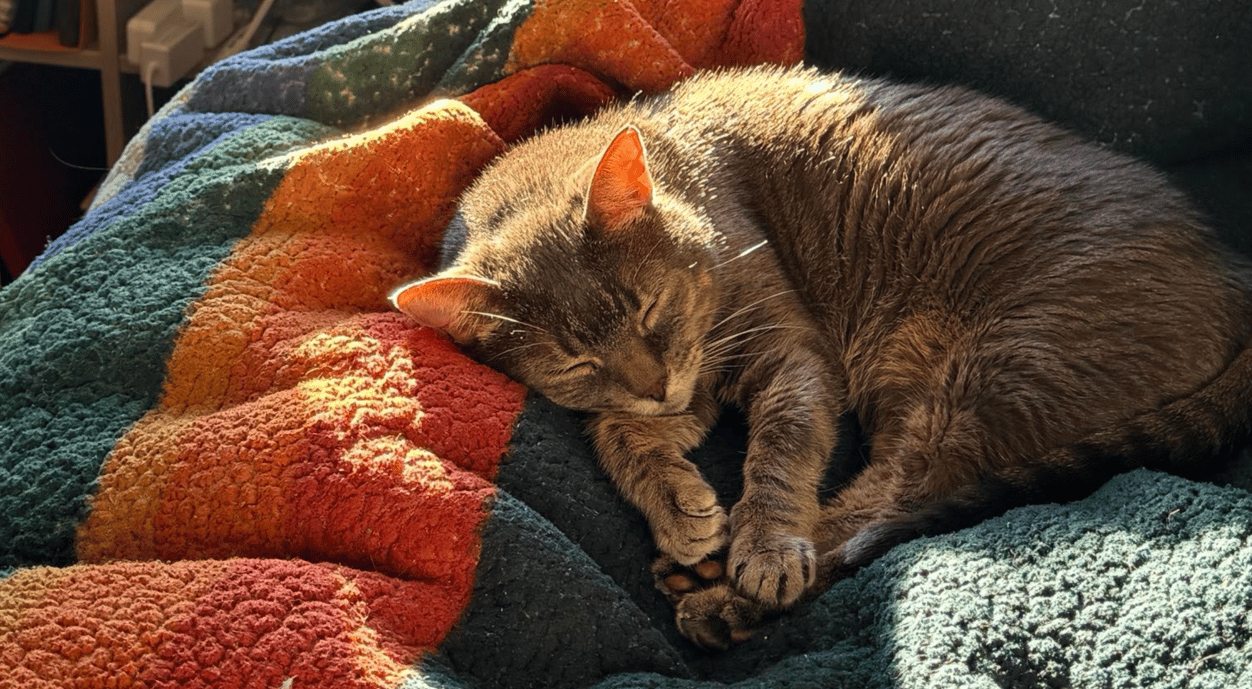

catsasha.angus


Fatouma Mahdi Ahmed Saeed traveled hundreds of miles to get treatment for cervical cancer at the Mother of Mercy Hospital in Sudan.
Guy Peterson for STAT

In Sudan, attacks on hospitals force patients to make dangerous journeys

From Sudan, a dispatch on cancer care in a war zone, and the perilous patient journeys to see Dr. Tom Catena at Mother of Mercy Hospital.

By Sophie Neiman


STAT+ | Why do ‘never-smokers’ get lung cancer? In some cases, rare genetic variant may be a factor

Researchers found that people carrying a rare inherited EGFR variant (T790M) had dramatically higher odds of lung cancer, especially if they never smoked.

By Andrew Joseph


Opinion: How my cancer diagnosis changed the way I train physicians

After being diagnosed with thymic cancer, a medical school professor began using his own records to teach his students.

By David Elkowitz


Anthony Devlin/Getty Images for AstraZeneca

STAT+ | England to cover AstraZeneca breast cancer drug, a result of U.K.-U.S. drug pricing deal

The agreement between England and AstraZeneca stems from changes in how the U.K. values medicines made as part of a trade deal with the U.S.

By Andrew Joseph


Kennedy moves to revive preventive services panel with new members, after months of vacancies

Robert F. Kennedy Jr. named eight new members to the influential panel, which hasn't met in more than a year.

By Chelsea Cirruzzo, Elizabeth Cooney,and Sarah Todd


More around STAT

In other news

  • Twenty women had breasts removed unnecessarily during NHS cancer care, The Guardian
  • A cancer survivor hoped to work — then she lost her Medicaid disability coverage, KFF Health News
  • Grail's Galleri multi-cancer test accused of patent infringement, Bloomberg Law

 
STAT
STAT, 1 Exchange Place, Boston, MA