UK Edition - Today's top story: Iron overload: how tea, coffee, red meat and alcohol can affect absorption

September 19, 2026

UK Edition

The Conversation
 

It’s important to get enough iron – and many people are deficient. However, it’s also possible to get too much of a good thing. Iron overload is often related to specific conditions but a new review has looked at whether certain foods and drinks affect absorption. Tea, coffee and red wine all appeared to make it more difficult to absorb iron, potentially leaving deposits in our organs.

For those of us just seeking to eat a more healthy diet in general, other studies suggest the Nordic approach could help you live a longer life. Think rye bread, fatty fish and seasonal produce. These findings suggest they could lower your risk factor for multiple conditions.

It’s full steam ahead for Canada’s bid for associate membership of the European Union after agreement on both sides this week that it’s an idea worth exploring. But what would it look like and how would it work? And given that this idea seemed like pie in the sky a matter of days ago, how has Mark Carney managed to turn it into a serious proposition? We look at the Canadian PM’s mastery of statecraft.

Also this week, the glorious complexity of British food in the 18th century, the real consequences of empty nest syndrome and a team of researchers track the origins of tonnes of fishing gear that has washed up on beaches in the Seychelles.


 

Laura Hood

Deputy Editor


Iron overload: how tea, coffee, red meat and alcohol can affect absorption

Alexandra Cremona, University of Limerick

Tea and coffee may reduce iron absorption, while alcohol and some supplements can increase it.

How a traditional Nordic way of eating could help you live longer

Daniel Borch Ibsen, Aarhus University; Christina C. Dahm, Aarhus University; Michael Fridén, Aarhus University

Adopting a Nordic diet could cut your risk of heart disease and diabetes.

Mark Carney: a master of statecraft in an era short of great orators

Mark Shanahan, University of Surrey

Once again the quiet Canadian has staked out an ethical high ground above his noisy southern neighbour.

Tonnes of fishing gear and plastic are washing up on Seychelles beaches. We tracked where it was coming from

Alex Albinski, University of Oxford; Noam Vogt-Vincent, University of Oxford

Satellite tracking data was used to look at which ships and boats were active in the Seychelles waters.


What might Canada’s EU ‘associate membership’ look like, and is it even a possibility?

Kenneth Armstrong, University of Cambridge

Making Canada the EU’s first ‘associate member’ may be a solution in search of a problem.

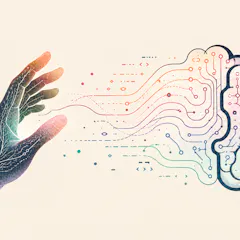
Repairing a severed nerve can alter the brain’s map of the hand – new research

Ken Valyear, Bangor University

Surgery can restore communication between the hand and brain, but new research suggests the brain’s response to individual fingers may change.

The Disappearers: Marlon James’s new novel gives voice to the gay men Jamaica erased

Alison Donnell, University of Bristol

Searing writing that seeks to bear witness to the violent reality of queer Jamaicans.

Why ‘accidents’ can happen during intense exercise

Adam Taylor, Lancaster University

It might be embarrassing, but unintentionally soiling one’s self during competition is not all that uncommon in elite athletes.

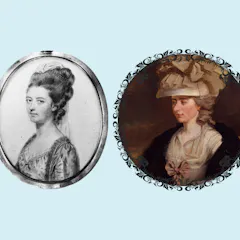
Stop adapting Jane Austen! Five other 18th-century writers perfect for the screen

Amy Louise Blaney, University of Wolverhampton

From Eliza Haywood to Anne Radcliffe, there are other great 18-century writers whose work would be great on screen.

Tech leaders are calling for an ‘AI slowdown’ – but what would that mean in practice?

Tom Quilter, University of Manchester

The call follows warnings from one AI researcher that the technology could ultimately destroy humanity.

Britain’s most artificial landscape may not survive climate change

Katie Jenkins, University of East Anglia; Robert James Nicholls, University of East Anglia

The Fens are a food-growing powerhouse, but the landscape only exists thanks to humans holding back the sea.

How firelight may have shaped the origins of spoken language

Hannah Little, University of Liverpool

New study suggests ancient campfires may have encouraged our ancestors to develop language.


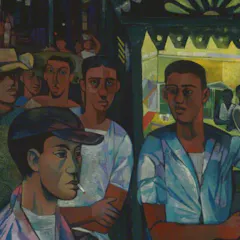
British food was complex, multicultural and flavourful in the 18th century – despite what you might think

Lisa Smith, University of Essex; Rachel Rich, Leeds Beckett University

The King’s table was full of flavours from the British empire and beyond.

Why the consequences of the ‘empty nest’ can be real – and serious

Denise Turner, University of Hertfordshire; Katie Walsh, University of Sussex

The effects on parents as they adjust can be hugely under-estimated.


Featured events

View all
British Science Festival

16 - 20 September 2026 • Southampton

Promote your event
 

Contact us here to have your event listed.

For sponsorship opportunities, email us here


Unsubscribe or manage your preferences