| | US Treasury Secretary Scott Bessent meets with Chinese Vice Premier He Lifeng in New York, Kyiv stri͏ ͏ ͏ ͏ ͏ ͏ |
| |  | Flagship |  |
| |
|
The World Today | 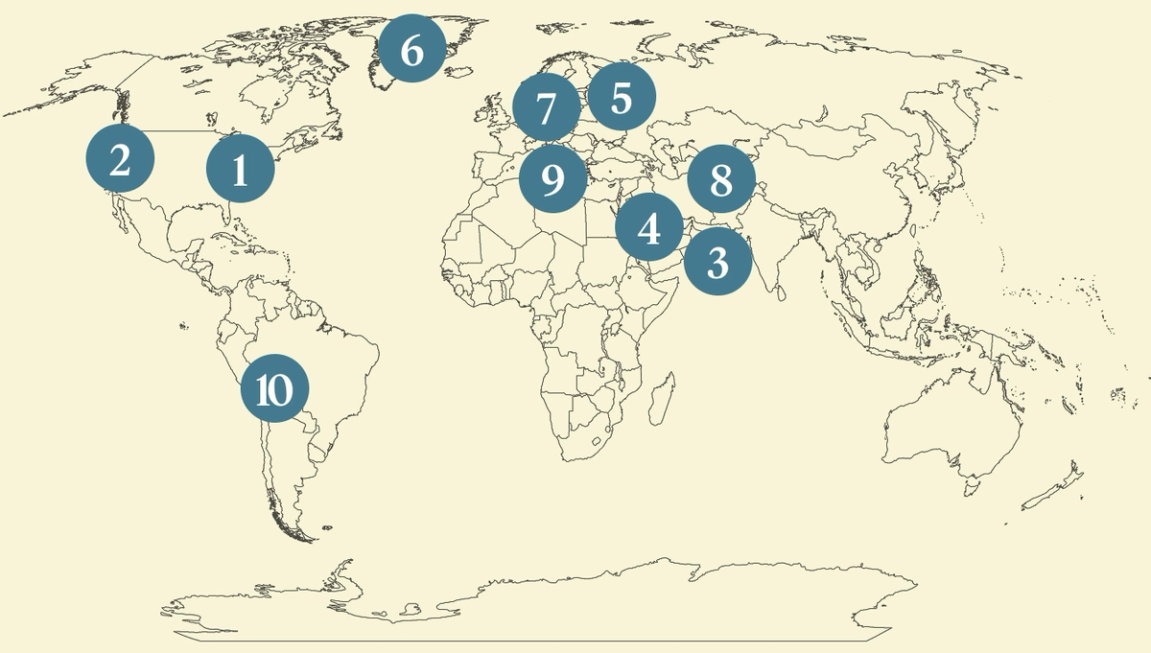 - US, China hold meeting
- Trump announces ‘AI force’
- US military’s AI close call
- Houthis hit Saudi capital
- Kyiv pummels Moscow
- US strikes Greenland deal
- Merz’s election ‘disaster’
- Afghan refugees return
- Roman roads found
- New cat discovered
 A film about ‘trying to survive during impossible times,’ and a look at the week ahead. |
|
US, Chinese officials meet before summit |
 Treasury Secretary Scott Bessent and Chinese Vice Premier He Lifeng meet in March. US Treasury/Handout via Reuters Treasury Secretary Scott Bessent and Chinese Vice Premier He Lifeng meet in March. US Treasury/Handout via ReutersUS Treasury Secretary Scott Bessent met with Chinese Vice Premier He Lifeng in New York on Sunday before this week’s high-stakes summit between US President Donald Trump and Chinese leader Xi Jinping. Bessent said he was looking forward to “focused, fulsome, and constructive talks” with He that would “set the stage” for Trump and Xi’s meeting on Thursday, which is expected to cover tariffs, rare earth minerals, and AI. With concerns over AI safety mounting, American tech leaders, including OpenAI’s Sam Altman, are expected to attend Xi’s White House dinner. One analyst wrote the meetings will likely produce limited deals, as “neither [side] has much ambition for path-breaking arrangements and compromises” amid “great power competition tempered by interdependence.” |
|
Bullish Trump grapples with AI fears |
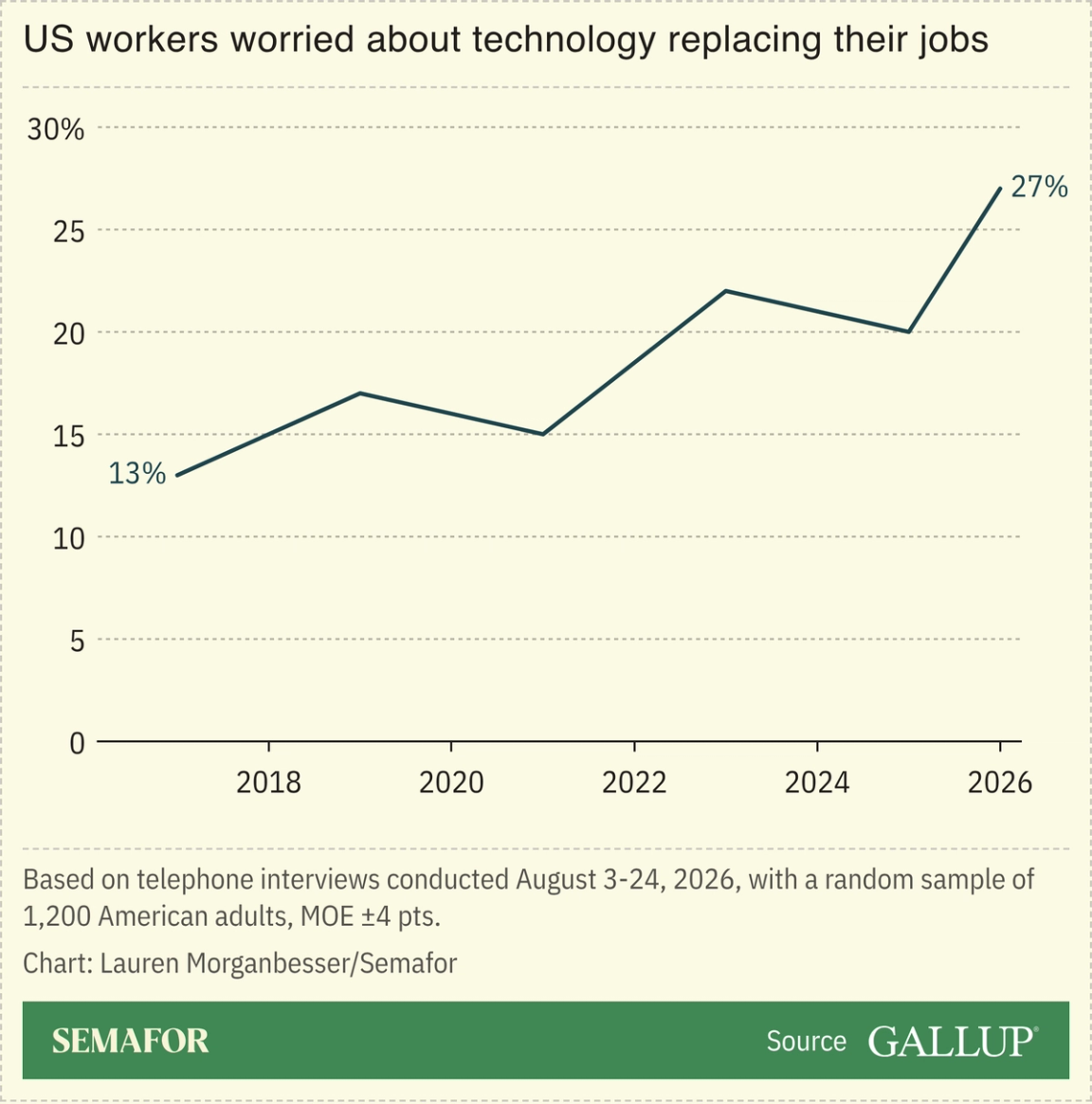 US President Donald Trump on Saturday announced the creation of an “AI Force,” though it was unclear what function it would serve. Trump, who said he also wanted to name a new AI czar, launched a social media poll exploring alternative monikers for AI, as the White House’s bullish approach to the tech runs up against mounting voter anxiety and bewilderment. “They’ve really missed the presence of an organized leader like David Sacks,” the former AI and crypto czar, a lobbyist told Politico. Trump earlier excoriated calls by OpenAI and Anthropic to slow research, which Semafor’s tech editor Reed Albergotti argued “are not the moves made by startups ready to enter the public markets.” |
|
Experts warn of AI warfare risk |
 US Navy/Handout via Reuters US Navy/Handout via ReutersThe US military reportedly prepared to intercept a Chinese vessel in the Middle East this spring after an AI chatbot misidentified materials on board, a close call that “almost started a war,” a source told CNN. Analysts have warned that slipshod AI integration into defense systems could produce catastrophic miscalculations. A related fear, laid bare in recent Stanford University war games, is “an increasingly automated battlefield” that rapidly increases the pace of warfare, escalating conflicts faster than human commanders intend. Most militaries require a human in the decision chain, but “the computer is spitting out a list of 1,000 targets. And you’re not moving fast enough,” a US drone warfare veteran told the Financial Times. “The human becomes the bottleneck.” |
|
Middle East tensions threaten escalation |
 Stringer/Reuters Stringer/ReutersYemen’s Iran-backed Houthi fighters struck Saudi Arabia over the weekend as Iran warned against new US attacks, threatening to ignite another round of regional escalation. According to Fox News’ Trey Yingst, US President Donald Trump is in “deciding mode” on Iran: “My question is, if and when do I blow the entire nation up?” Trump’s comments came amid Houthi attacks on Riyadh that hit the airport, prompting the US to alert citizens in the region to prepare for possible airspace closures. With negotiations stalled and energy prices straining the US economy ahead of the midterms, the conflict is testing Washington’s resolve. As one analyst wrote, “In this strategy of attrition, Iran just needs to keep imposing costs and regenerating what is lost.” |
|
Kyiv strikes Moscow as Russians vote |
 Stringer/Reuters Stringer/ReutersUkraine launched a massive drone attack on Moscow and its surrounding regions Sunday as Russian voters cast ballots on the final day of parliamentary elections. Moscow’s mayor called it the biggest drone attack on the capital since the war began — Russia intercepted more than 1,900 drones — with strikes disrupting voting in parts of the country. The war in Ukraine, alongside conflicts in the Middle East and concerns over AI, are expected to dominate the agenda at the UN General Assembly this week, as nearly 130 heads of state gather in New York. The wars are casting a pall over the gathering, with the UN playing the role of a “trauma center for the foreseeable future,” one expert told Reuters. |
|
NATO backs US Greenland deal |
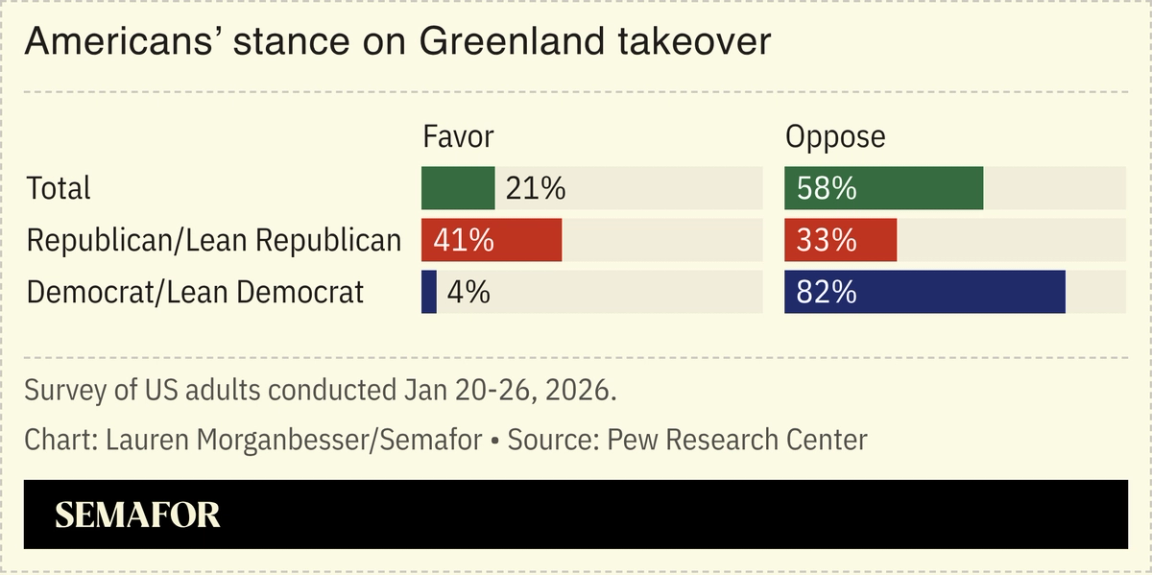 NATO endorsed an agreement between the US and Denmark to expand Washington’s military presence in Greenland, potentially forestalling President Donald Trump’s demands to take over the Arctic territory. The agreement provides a potential US veto power over Russian and Chinese investments on Greenland, makes permanent Washington’s military presence, and allows for more US bases. The deal notably falls short of American ownership — an earlier demand by Trump that had strained NATO to its breaking point. The deal should “begin the process of healing,” Atlantic Council experts said, though the specter of US aggression against treaty allies kicked off a European “hedging and diversification strategy” that will likely continue. “The transatlantic bond is growing colder and far more transactional,” The Economist wrote. |
|
CDU collapses in German elections |
 Christian Mang/Reuters Christian Mang/ReutersGermany’s governing CDU suffered its worst result in 80 years in regional elections Sunday, which Chancellor Friedrich Merz called a “disaster” for his party, as both the far left and far right surged. The AfD expanded on strong recent results, which analysts believe could portend far-right victories in upcoming European elections. Ruling parties like Denmark’s Social Democrats have moved right on immigration to stymie the far-right’s progress, and the Swedish center-left’s victory last week — running on stricter migration rules — reflects that “nativism is now shared by all [of Sweden’s] major parties, albeit in lighter form,” a political scientist told The Guardian. Facing a challenge from the right, Prime Minister Giorgia Meloni announced Sunday that Italy would ban face coverings in schools. |
|
Afghans depart Iran’s flailing economy |
 Sayed Hassib/Reuters Sayed Hassib/ReutersAfghans who left their home country after the Taliban’s 2021 takeover are returning from Iran as economic conditions there deteriorate rapidly. Despite the risks of returning to a homeland that has been radically transformed — for one, girls are unable to attend school past sixth grade, prompting Western aid restrictions — many see more hope in Afghanistan as the Iranian economy craters under US pressure. In Iran, “the wages they earn are no longer enough to cover their basic living expenses,” a Taliban border official told Reuters. Iran’s year-on-year inflation rate is nearing 90%, while its GDP contracted over 10% year over year from March to June as the US blockade kneecaps exports. The rial has also plummeted in value. |
|
Roman roads less straight than thought |
 Issam Abdallah/Reuters Issam Abdallah/ReutersThe Roman Empire built even more roads than previously thought, but those roads weren’t as straight as historians commonly assumed, new research showed. The Roman Empire’s roads have long been believed to have been remarkably straight, slashing through all types of terrain; the network eventually drove economic development — as well as military conquest. But according to scientists in Denmark, who used satellite imagery to create detailed maps of the Roman Empire’s road network in 150 AD, the Romans were both more prolific (the roads totaled over 180,000 miles in length) and more pragmatic (the roads were windier in the mountains) than thought. And the network of thoroughfares between provincial cities suggests the proverb “All roads lead to Rome” is not entirely accurate. |
|
|


