According to Uppsala University, humanity experienced a record-breaking number of conflicts in 2025, documenting the highest number researchers have seen—sixty-five—since they began tracking 80 years ago.
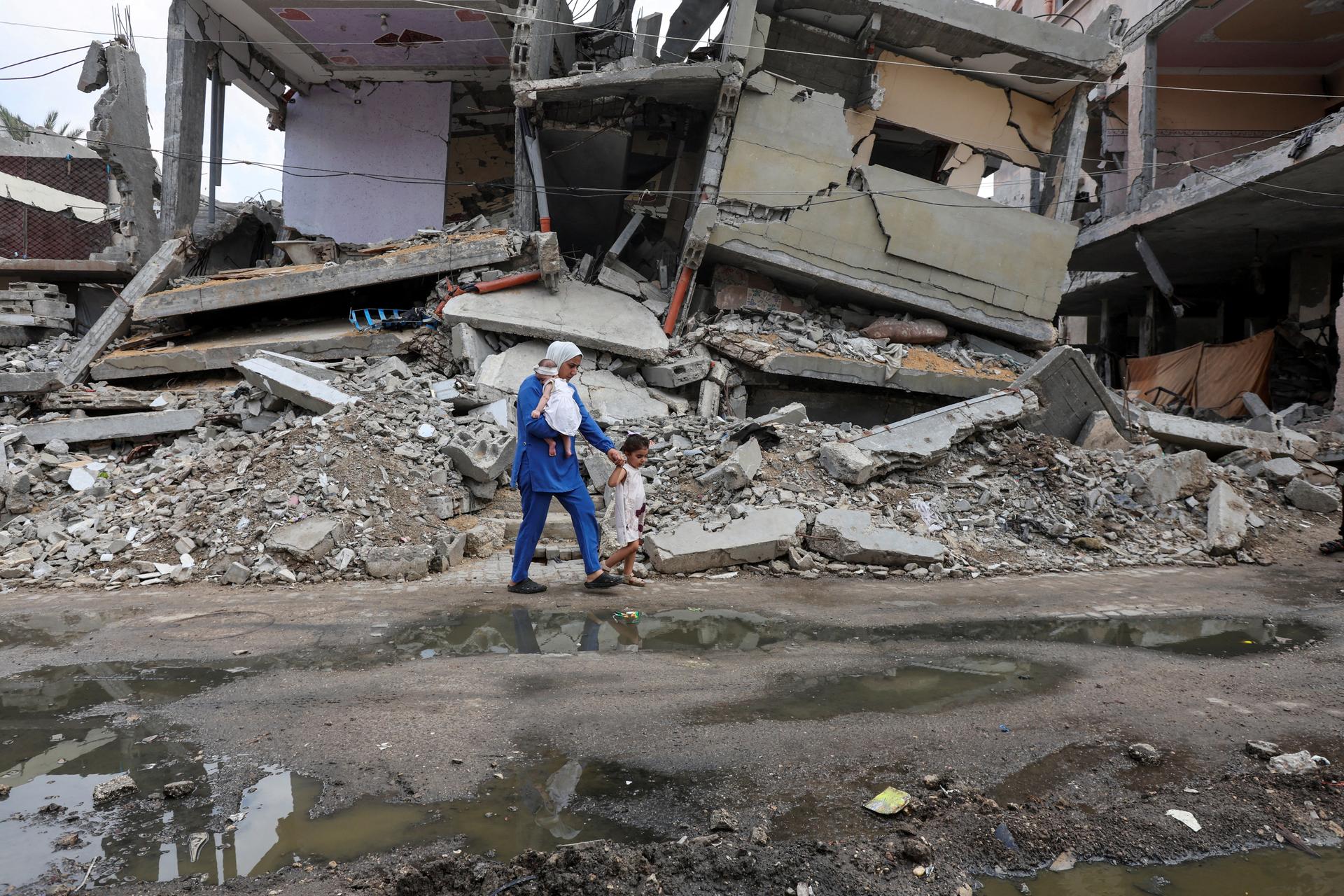
This week’s stories examine war’s insidious health-related consequences, including the destruction of clean water supplies, interruption of vaccination, and exodus of physicians. First, Saheer Gharbia, director at the National Institute of Agricultural Botany in the United Kingdom; Wilmot James, senior advisor at Brown University’s Pandemic Center; and colleagues argue that disease detection should be built into recovery efforts in conflict zones, such as Gaza and Sudan.
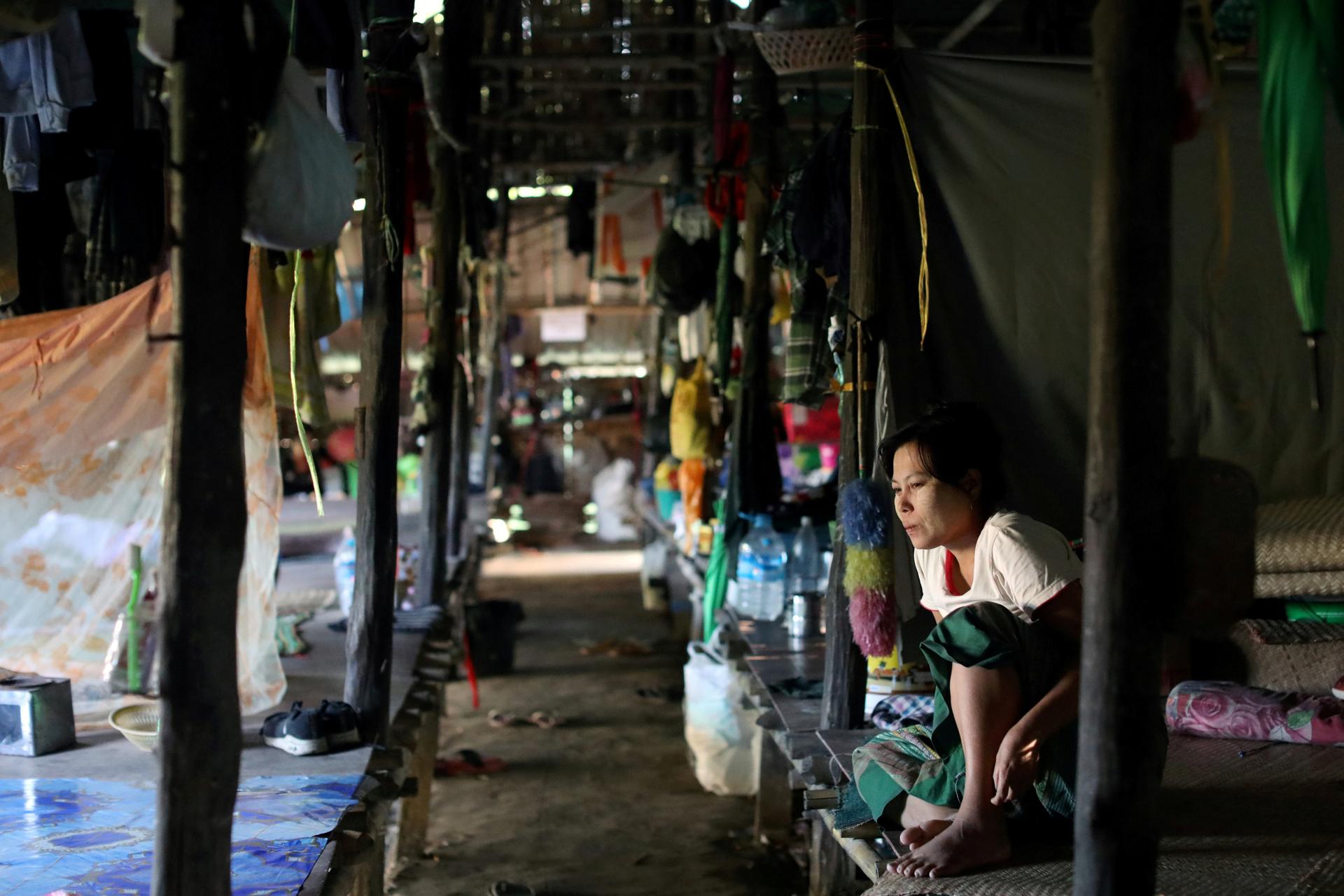
Moving to Myanmar, where the Trump administration recently began direct talks, Council on Foreign Relations Senior Fellow Joshua Kurlantzick describes how the health system’s collapse—amid civil war and aid cuts—has contributed to drug-resistant malaria spreading to nearby countries.
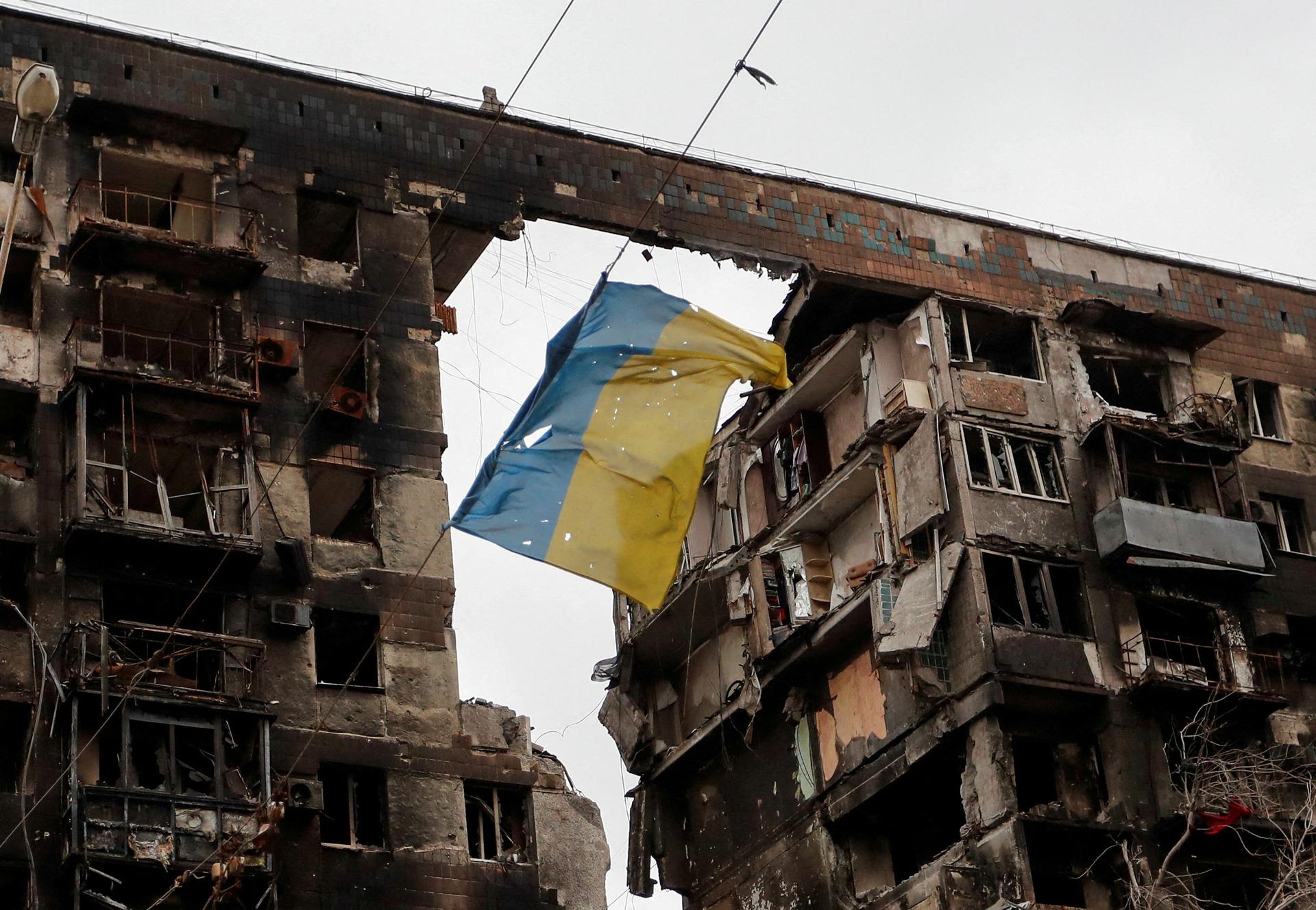
Next, Judy Twigg, a professor of political science at Virginia Commonwealth University specializing in Ukraine, recounts how health officials in the country have persisted in fighting HIV/AIDS despite Russian attacks.
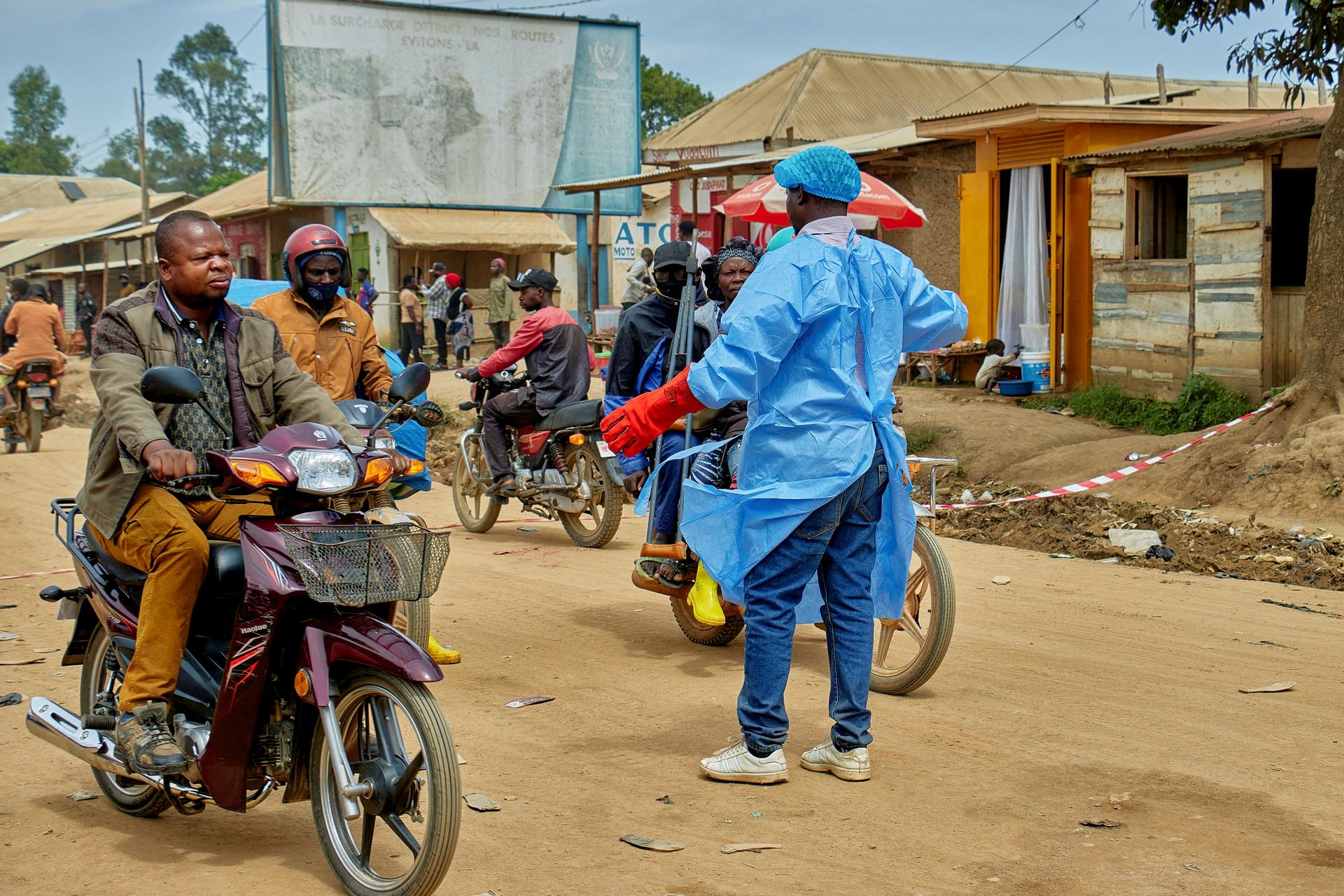
In a piece focused on identifying infectious diseases before they cross borders, Robert Agyarko, senior advisor for health at the African Union Commission, and coauthors propose creating an international fund that rewards countries financially for reporting outbreaks as soon as they detect them.
Think Global Health is tracking the evolving situation in Russia, where a 28-year-old employee of an anti-plague laboratory died. The cause of death had yet to be identified at the time this newsletter was written, and the World Health Organization is working to learn more.
Until next week!—Allison Krugman, Interim Managing Editor, Katherine Leach-Kemon, Senior Contributing Editor, and Alejandra Martinez, Research Associate