A fresh take on culture, fashion, cities and the way we live – from the desks of Monocle’s editors and bureaux chiefs.
|
Saturday 10/10/26
|

|
|
London
Paris
Zürich
Milan
Bangkok
Tokyo
Toronto
|
|
|
|

in high spirits
In this week’s dispatch, we put our best foot forward in a pair of Jacques Solovière shoes and open a treasure trove of cultural gems, across everything from cinema to music. We then wake up on the right side of the bed at Wake Medellín hotel, where an unexpected array of breakfast options offers a welcome escape from the typical dull buffet, and speak to the director of the National Museum of Korea, who is looking to illuminate the country’s arts-and-culture scene. Up first with a few life lessons is our editor in chief, Andrew Tuck.
|
|
The secret to a long, purposeful life might be to delete the word ‘retire’ from our vocabulary
By Andrew Tuck
|

|
At the start of this year my brother-in-law, Phil, placed a bet with our dog Macy. I allowed this to proceed knowing that our dog had no cash of her own, so could lose little more than a chewed toy. The gambling moment had been prompted by the news that both hound and human now had incurable cancers that were at a stage when it was time to stop treatment and allow the disease to do its worst (don’t stop reading – there are life-changing moments ahead and some humour).
Macy lost badly – thank goodness she never discovered blackjack – and departed in March. Phil has now gone too; the funeral is this week. This column, however, isn’t really about either of them. It’s about the age-old question, “But what does it all mean?” Because when Phil placed that bet, he added a couple of powerful caveats. He was not going to die before 5 September, when he and my sister were planning to throw a party to celebrate her milestone birthday and a big wedding anniversary. And he would pop his clogs in the hospice that he had selected, not at home.
I headed to the big shindig straight from The Monocle Quality of Life Conference. My partner picked me up from Heathrow and I changed in the car as we tried not to be too late. It was an amazing night, even though I knew that this would be the final time all three of my sisters, their partners and mine would be together in one room.
In the days after holding court at the party, Phil’s health declined. He was taken to the hospice but on the first night, after his family had left, he died. I’ve talked about this with my sister: how that date in the calendar kept him going, how even his determination to make it to the hospice kept him alive for one final day. He had a purpose, a plan.
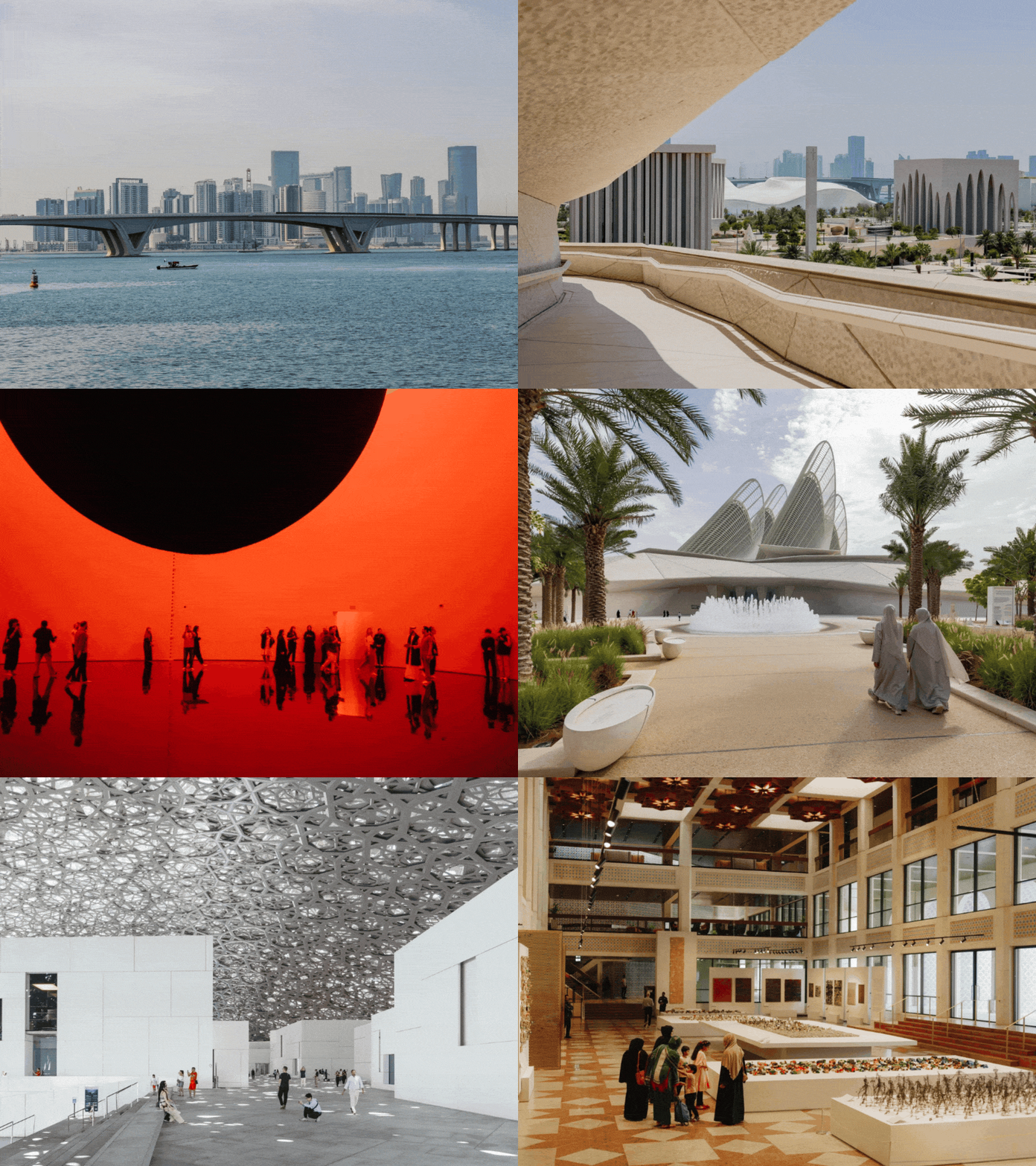
Last week, while I was with the Monocle crew at the Livex liveability summit in Abu Dhabi, I hosted a panel about how we create healthy cities. I quizzed three amazing people on the topic: Dan Buettner, the writer who has popularised the research around blue zones (places with high clusters of centenarians); Max Lugavere, a hugely successful writer and podcaster who focuses on nutrition; and Khaled Ghattass, an author and human-behaviour expert who brought an Arabic perspective. We talked about diet and exercise – but something that also surfaced was the importance of your life having meaning.
Ghattass gave some stark examples. If your partner dies, you are 60 per cent more likely to die too in the next year. I hope that my sister doesn’t get any ideas – there’s a limit to how many days I can take off work. He also talked about why, when people retire, they so often succumb to illness and cognitive decline. He told the story of how his father’s mental health diminished after he stopped work and how, by adding purpose back into his dad’s life, he reversed this. He put his father in charge of the family’s finances and he flourished.

|
Buettner’s research also supports this idea. He explained that long-lived people tend to have social circles that reinforce healthy behaviour, with strong family ties, faith and friends who they can call on when needed. Buettner also flagged that people who volunteer tend to have lower BMIs than those who don’t. And in Okinawa, they don’t even have a word for “retire”.
So if you want to keep going, to stay healthy and keep your brain alert, you need to be able to answer that simple question: what am I here for? And before you’ve had your wholegrain toast please. It also looks like I might end up shuffling around Midori House as a nonagenarian. Perhaps I can oversee the drinks trolley. I’d be good at that.
|
|
Abu Dhabi: A Continuity of Vision
|
house news: Monocle x Breuninger
At Monocle’s party in Hamburg, creatives mingle and share ideas

To mark Stone Island’s 145th-anniversary partnership with Breuninger, Monocle hosted a celebration in Hamburg on Thursday evening to bring together the city’s creative community.
Stone Island CEO Robert Triefus and Breuninger CEO Holger Blecker spoke about a shared appreciation for design and culture. The event led to enlightening conversations, connecting guests and Monocle readers with the people who are shaping the city today. For the occasion, a selection of Stone Island garments specially made for Breuninger was on show, but if you missed the evening you can peruse the collection on Breuninger.com.
|
|
wardrobe update: Jacques Solovière
A pair of shoes that will keep you light on your feet this season

This season’s grained leather Raymond shoe adds even more depth to an iconic silhouette that already folds and puckers just so (writes Jack Simpson). As nights begin to draw in, this is a collection for those intent on stepping out and being seen.
And if you’re on the go, Jacques Solovière’s kicks are lighter than other French-made leather shoes – keeping you fleet-footed throughout the winter if boots aren’t your thing. But if the calf leather and single-laced eyelet makes too subtle an impression, the Boldie offers a perforated, brogue version for a little more bulk.
jacquessoloviereparis.com
|
|
culture cuts: read, watch, listen
Three new cultural releases to dive into over the month ahead
October’s cultural highlights include a novel about the Korean-American hagwon system, an exhibition of one of today’s most exciting fashion photographers and a Tom Cruise disaster film. Here are three more for your radar:
Read
‘Scene City’
Róisín Tapponi
Fancy being a fly on the walls of the art world? Then this is the book for you. It might read a bit like notes made on a phone but the writing scintillates. It’s a novel about losing the plot and finding a vibe – and those vibes are good.
‘Scene City’ is published on 13 October.
|
Watch
‘Wicker’
Eleanor Wilson and Alex Huston Fischer
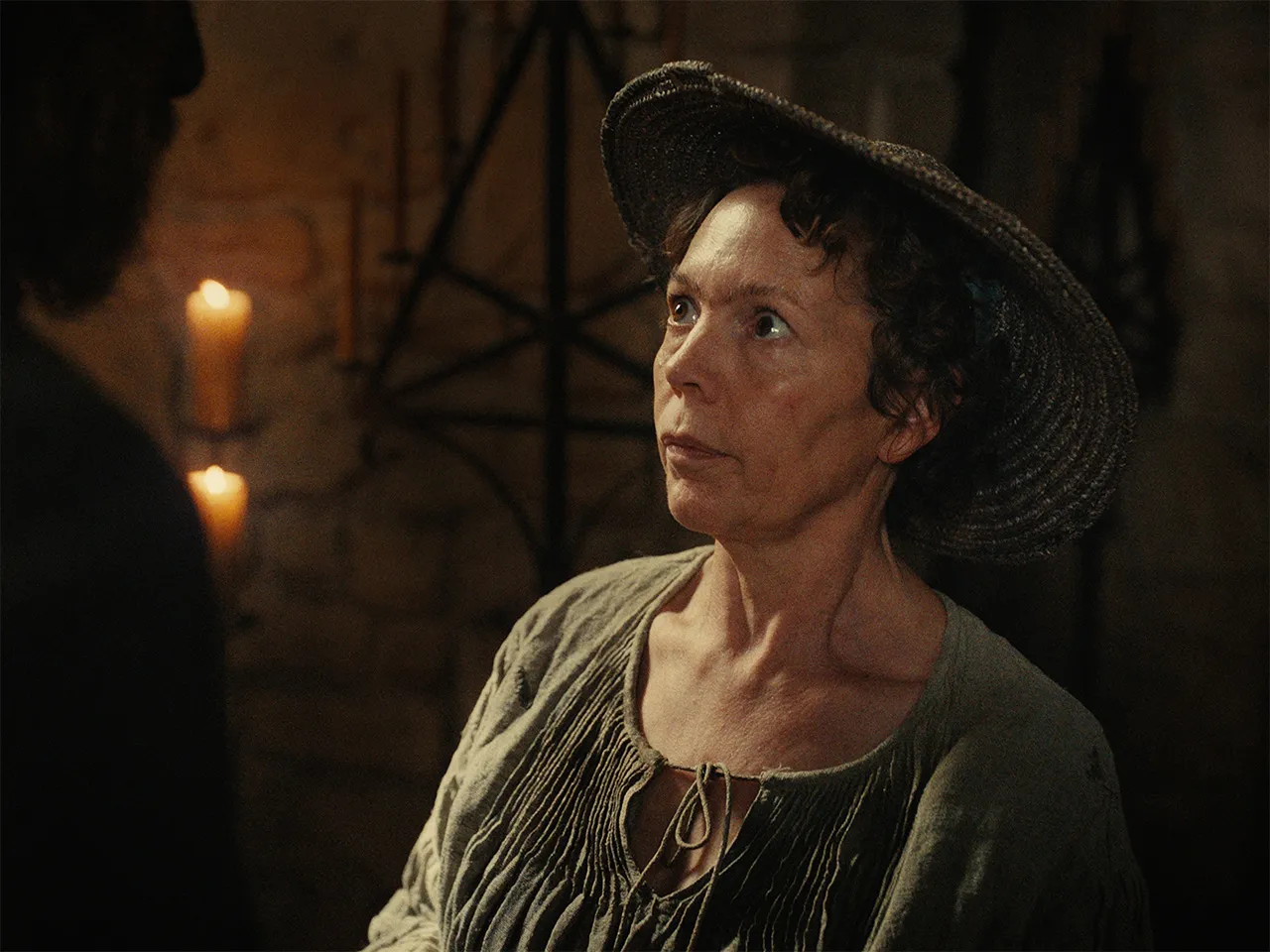
Fantastical comedy Wicker is set in a small medieval town where an unmarried fisherwoman (Olivia Colman) is a social pariah. She turns to the local basket weaver (Peter Dinklage) to create a wicker husband – the result is an Alexander Skarsgård-shaped man whose greatest desire is her sexual fulfilment. Cue chaos in the puritanical community and ridiculously horny joy on our screens.
‘Wicker’ is released on 30 October.
Listen
‘Ave de Maere’
Pierre de Maere
Belgian pop is having a moment and Pierre de Maere is among its shiniest stars. His second full-length features one of the best singles of the year, Monocle Radio favourite “Je Pense à Vous”. Elsewhere, the poignant “J’aurais Fini Par te Plaire” shows off de Maere’s crystalline vocals. See him and his dance moves in person on a European tour that starts in November.
‘Ave de Maere’ is out now.
Want the full rundown of the month’s top cultural happenings? Click here to read more.
|
|
how we live: hotel food
Wake-up call: It’s time that we move on from the bland breakfast buffet
I woke up in Medellín apprehensive (writes Mary Holland). The Wake Medellín hotel tends to cater to foreign travellers and you never know what to expect from a breakfast menu. I was starving; I had skipped dinner the night before, having just flown in from New York. I arrived in the dark and woke to a light mist covering the city’s mountains. But when I got to the table, I was delighted to find a smorgasbord of Colombian dishes that screamed: you’re in Medellín!
I am not one for a hotel buffet but the spread was generously filled with tropical fruits, little bowls of trout pȃté, orejero hummus and other items that I will now share tales of far and wide. There was a pot of steaming tapioca cubes and boards of pan de bono (cassava cheesy bread) and guava pastries. The waiter walked me around, explaining each and every dish. In one corner was an ice bucket filled with elixirs in glass bottles. Behind the bar, a barista was brewing Colombian coffee. The only thing that wasn’t local, the waiter told me, were the olives. Fine by me.
If you’re staying at the right hotel, waking up to a foreign breakfast can be a treat. Corn tortillas with eggs a la Mexicana in Mexico? Miso soup, fish and rice in Japan? A bowl of pho in Vietnam? Yes, please. For many travellers, breakfast is the first meal that they will have in a new country. More hotels should cater to that responsibility.
Concerningly, when I sat down with CEO of Wake Medellín, David Luján Pérez, and gushed over his hotel’s morning spread, he was relieved. Recently he had guests requesting an American breakfast. Though the hotel is all about celebrating Colombia – from the food to the design – he also recognises that they’re in the business of hospitality, so guests can easily order eggs and toast. But that doesn’t mean he is willing to change the buffet. In a world where avocado dominates morning menus, it’s a relief to be reminded that not everyone is giving in. You can still discover new ingredients at the good old breakfast buffet after all.
|
|
words with: Yoo Hong-jun
The director of the National Museum of Korea wants the world to see the ‘true colour’ of Korean art and culture
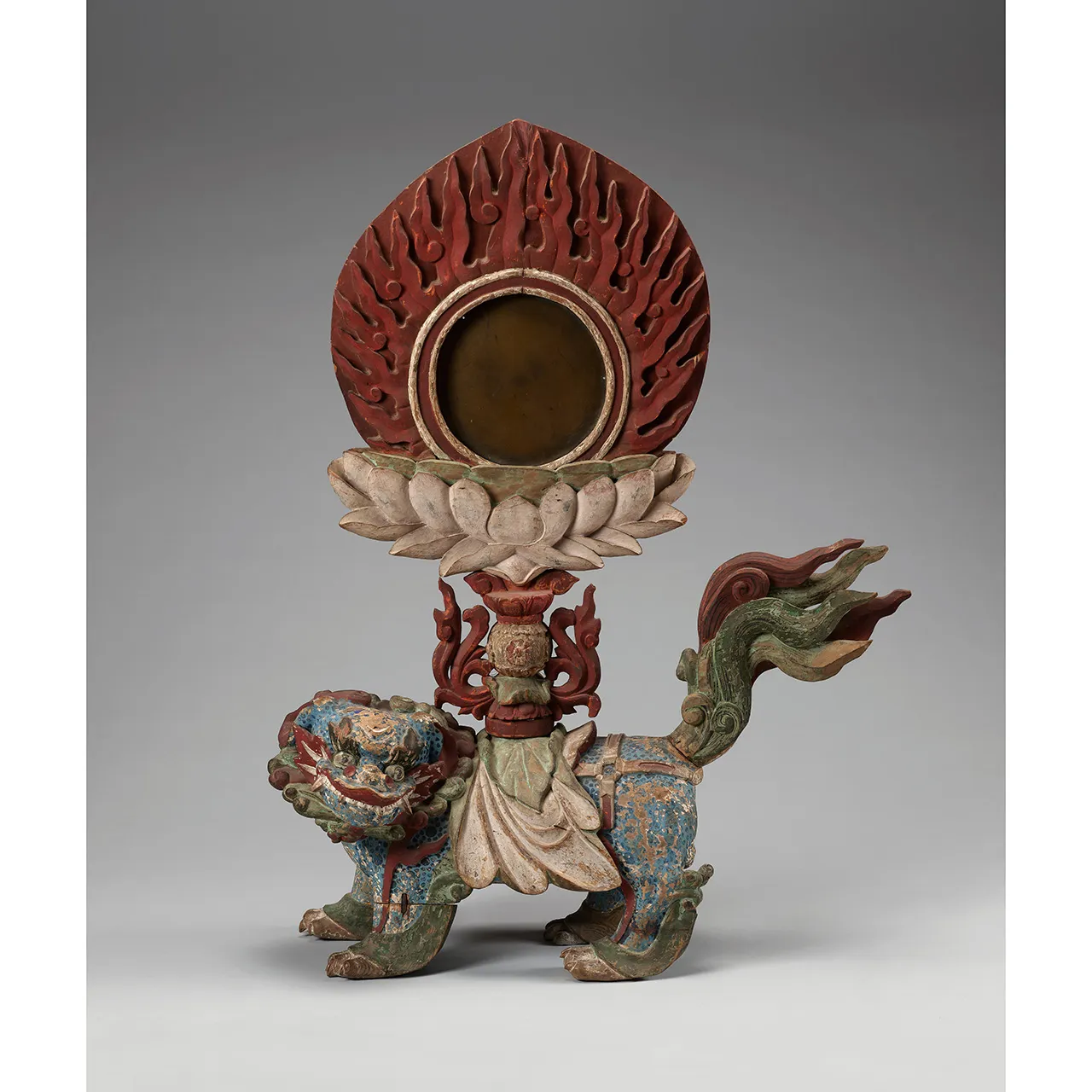
South Korea’s cultural cachet continues to rise as K-pop’s influence shows no signs of slowing (writes Fiona Bae). At the British Museum, the most comprehensive chronological survey of Korean art and craft in Europe in more than 40 years, Korea, is now open. The National Museum of Korea (NMK), which instigated the show, recorded 6.5 million visitors last year, becoming the third most visited museum in the world. At the helm of the widely envied institution is art historian and bestselling author Yoo Hong-jun. Here we sit down with the museum director to learn more about how the NMK trails only the Louvre and the Vatican Museums for visitor numbers.
|
NMK and Seoul’s National Museum of Modern and Contemporary Art collaborated on an unprecedented scale to bring this show to London. What drove you to accomplish this?
With the global boom of K-pop and K-drama, more eyes are on us than ever, yet few understand Korea’s profound creativity throughout its long history. What you see in Korean wings at | | | | |